

Putin Offers Mediation as US Abandons Islamabad
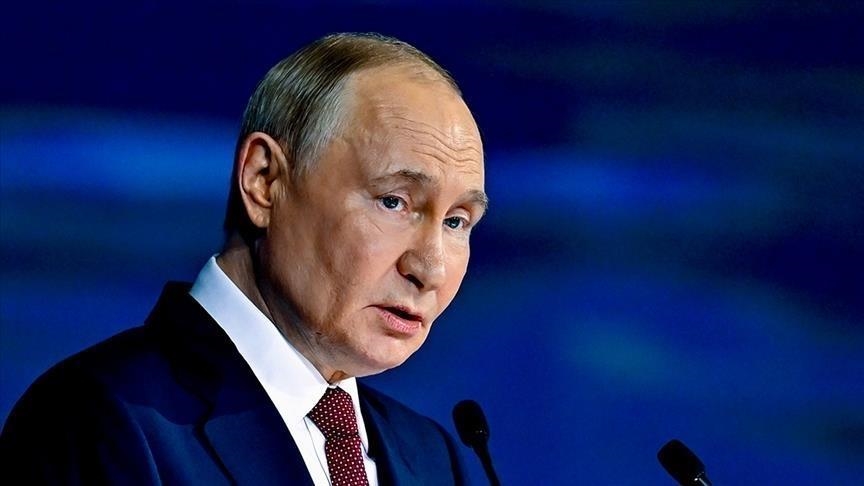
Vladimir Putin has stepped into the diplomatic void left by the collapsed US-Iran peace talks. In a Sunday phone call to Iranian President Masoud Pezeshkian, the Russian leader offered to mediate a “just and lasting peace” for the Middle East. The Kremlin confirmed Putin’s readiness to facilitate a diplomatic settlement just as the American delegation staged a total withdrawal from Pakistan. Moscow’s intervention signals an attempt to seize the role of regional powerbroker from a retreating Washington.
The entire US negotiating team has now exited Islamabad. High-level officials, including chief negotiators Steve Witkoff and Jared Kushner, departed after marathon sessions failed to yield progress. A US official travelling with Vice President JD Vance confirmed that no back-channel team remains in the Pakistani capital. This full departure suggests the Trump administration has abandoned near-term diplomacy in favour of renewed military or economic pressure.
Tehran has blamed the collapse on a deficit of trust. Mohammad Bagher Ghalibaf, Iran’s parliament speaker, claimed his delegation proposed “constructive initiatives” that Washington ignored. He argued that the American side failed to provide the guarantees necessary to secure Iranian cooperation. This rhetorical blame game follows the US demand for a total dismantling of Iran’s nuclear capabilities as a condition for a ceasefire.
The exit of the American team at Ramstein Air Base marks a definitive end to this diplomatic cycle. Earlier speculation suggested that junior officials might stay behind to keep communication lines open, but those hopes have vanished. The lack of a diplomatic bridgehead in Pakistan leaves the region without a direct mechanism for de-escalation. Russia is now the only major power maintaining active, high-level dialogue with the new Khamenei regime.
Putin’s offer is a calculated move to expand Russian influence while the US is distracted by active combat operations. By positioning himself as a mediator, Putin hopes to protect his interests in the Gulf and solidify his alliance with Tehran. For Iran, Russia offers a diplomatic lifeline and a potential shield against total international isolation. Whether Moscow possesses the leverage to succeed where Washington failed remains a matter of intense skepticism.
The Middle East now enters a dangerous interregnum. With the US team gone and the Iranian leadership vowing vengeance, the temporary ceasefire brokered by Pakistan looks increasingly fragile. The shift from an American-led process to a Russian-mediated one changes the fundamental geometry of the conflict. Peace, if it comes, will now likely be brokered on terms more favourable to the Kremlin than the White House.