
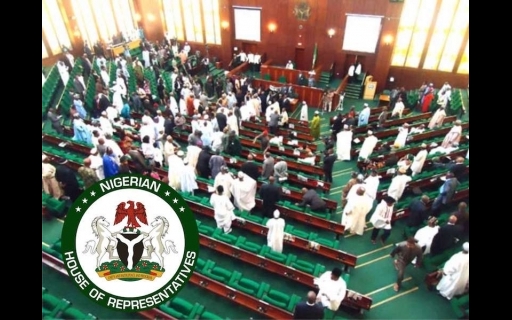
Nigeria’s House of Representatives has demanded an immediate review of diplomatic and economic ties with South Africa following a brutal resurgence of xenophobic violence. The House of Representatives called on the federal government to reconsider trade and aviation treaties to protect citizens abroad. Lawmakers proposed a temporary freeze on business permits for new South African enterprises entering the country. Abuja is signaling that its historic patience with Pretoria has finally expired.
The legislative backlash follows a series of targeted assaults and illegal profiling of Nigerians across South African cities. Vigilante groups enforced a June 30 ultimatum ordering foreign nationals to leave, sparking widespread displacement and commercial looting. Shockingly, the violence selectively targeted individuals possessing valid legal residency and work permits. Recent fatalities also implicate South African security personnel in the physical abuse of Nigerian nationals.
Parliamentarians expressed deep anger at the apparent structural ingratitude of the South African state. Lawmakers noted that Nigeria sacrificed immense diplomatic, financial, and material wealth to fund the anti-apartheid liberation struggle. Today, South African corporate giants like MTN and Multichoice extract massive, unhindered profits from the domestic market. Meanwhile, Nigerian traders in Johannesburg face constant physical displacement and arson. This stark economic asymmetry has become politically intolerable for Abuja.
To manage the immediate humanitarian fallout, parliament ordered the creation of a 24-hour emergency response desk. The Ministry of Foreign Affairs must also establish a legal aid fund to help victims secure state compensation. The state has already initiated emergency airlift operations, bringing back hundreds of stranded citizens. If Pretoria fails to secure these vulnerable communities, lawmakers warn that domestic retail reprisal attacks remain inevitable.
The political pressure extends across both chambers of the National Assembly. While some senators urged caution to avoid regional instability, others demanded the outright nationalisation of South African assets. Parliament eventually settled on demanding written, time-bound safety guarantees from the South African High Commissioner. Abuja expects immediate prosecutions of the rioters to prove Pretoria’s administrative sincerity.
The diplomatic standoff threatens to destabilise the two largest economic forces on the continent. For years, superficial bilateral committees have failed to check recurrent cycles of anti-migrant violence. Lawmakers are now forcing the presidency to choose between polite continental diplomacy and raw national interest. If South Africa cannot police its own streets, Nigeria will use its market leverage to enforce compliance.