
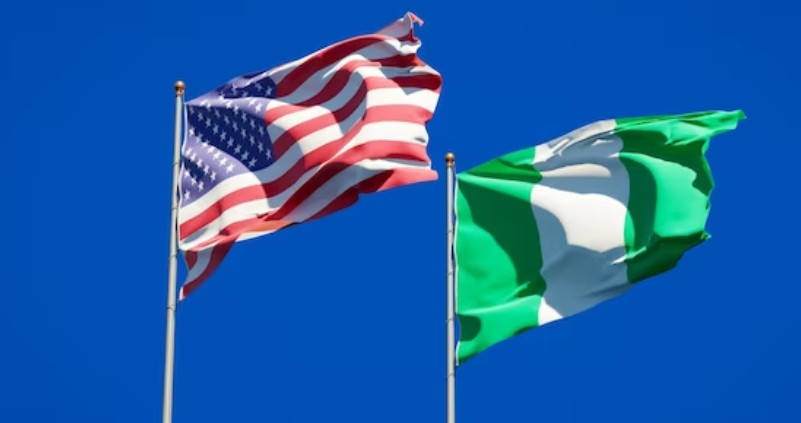
Nigeria is doubling down on its military alliance with the United States to stem the tide of chaos in the Sahel. National Security Adviser Nuhu Ribadu spent three days in Washington this week for high-level talks with Vice President J. D. Vance and Secretary of State Marco Rubio. The mission was clear: secure more American hardware and intelligence to fight a war that is becoming increasingly regional. Nigeria wants to remain the primary arbiter of West African security. It needs the White House to agree that Abuja is the only stable partner left in a neighborhood of coups.
The meetings focused on the Lake Chad Basin and the growing threat of cybercrime. Ribadu pushed for a more structured roadmap under the Nigeria-US Joint Working Group. This framework aims to move beyond ad-hoc help toward a permanent pipeline of defence capacity building. Abuja is hungry for better intelligence sharing to track insurgents who ignore national borders. The Americans seem willing to listen. They need a foothold in a region where Russian influence is rising.
Nigeria currently plays the role of a frontline state against violent extremism. Ribadu told his hosts that the Tinubu administration uses both guns and schools to fix the crisis. This “whole-of-government” approach tries to blend military strikes with deradicalisation programmes. It is an expensive strategy that requires deep pockets and sophisticated tools. US officials praised Nigeria’s leadership, but the real test lies in the delivery of promised aircraft and training. Diplomatic pleasantries do not stop a suicide bomber.
Economic resilience also sat high on the agenda. Security in West Africa is often a question of empty stomachs and idle hands. Ribadu argued that Nigerian stability is a prerequisite for African economic growth. If Nigeria fails, the rest of the continent shudders. Washington understands this math. It remains Nigeria’s largest donor for health and security assistance. This visit was about ensuring that the flow of cash and expertise does not dry up during a global shift in priorities.
Border security remains a glaring weakness for the Nigerian state. Ribadu and his counterparts discussed practical measures to plug the holes in the Lake Chad region. They looked at ways to enhance strategic communications to counter terrorist propaganda. The goal is to make the Nigerian security apparatus more surgical and less prone to collateral damage. American training often focuses on these technical refinements. Whether these lessons stick when troops are in the heat of the bush is another matter.
The visit marks a shift toward a more transactional and focused partnership. By meeting Vance and Rubio, Ribadu engaged with the architects of American foreign policy. Nigeria is betting that it can remain a strategic partner despite its internal struggles with inflation and crime. The US wants a democratic anchor in Africa. Nigeria wants the tools to act like one. Both sides left the table with a commitment to deeper dialogue. For now, the alliance is safe, but the results will be measured on the battlefield.