
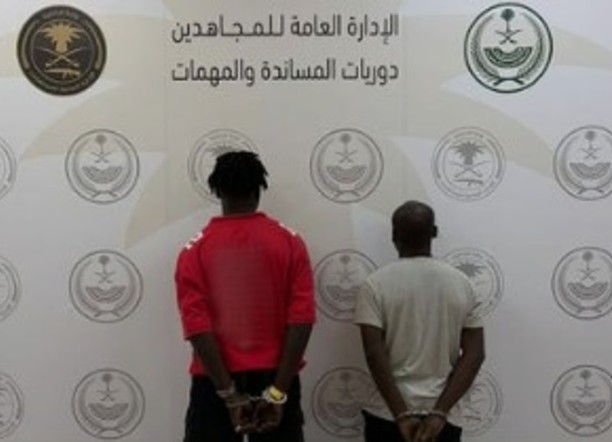
Saudi security patrols have arrested two Nigerian nationals in Riyadh for violating border regulations and trafficking narcotics. Officers from the General Directorate of Mujahideen detained the suspects on Wednesday, 25 November 2026, after catching them with hashish, amphetamines, and regulated medical pills. Saudi authorities have initiated formal legal proceedings and handed both men over to prosecutors for trial.
Riyadh’s security directorate confirmed that the arrests took place during routine urban patrols targeting border security infractions and street-level drug distribution. Beyond the illegal narcotics, officers seized prescription-only pharmaceuticals that fall under strict state medical circulation controls. Officials withheld the identities of the two suspects and declined to state when or how they entered the kingdom.
Following the operation, the General Directorate of Mujahideen urged citizens and expatriates to report suspected smugglers and dealers across the kingdom. Residents in Riyadh, Makkah, Madinah, and the Eastern Province can submit tips by dialling 911, while callers in other regions can reach security desks via 999 and 995. Authorities treat public intelligence as a central pillar of their wider campaign to choke off domestic drug supply networks.
Saudi Arabia enforces some of the world’s strictest narcotics laws, where convicted drug traffickers routinely face lengthy prison terms or capital punishment. The arrests also come at an awkward moment for Nigerian diplomats, who previously had to secure the release of innocent pilgrims framed by luggage syndicates in Jeddah. Unlike cases of unwitting bag switching at airports, however, Riyadh patrols accused these two men of actively selling controlled substances inside the capital.
Every fresh narcotics arrest involving Nigerian citizens abroad invites harsher scrutiny for innocent travellers, students, and pilgrims passing through foreign borders. While anti-drug agencies in Abuja continue to dismantle major cartels at home, overseas arrests reinforce damaging stereotypes in zero-tolerance jurisdictions. Tighter pre-departure screening and blunt public warnings about foreign drug penalties remain vital to keep citizens out of foreign prisons and execution chambers.