
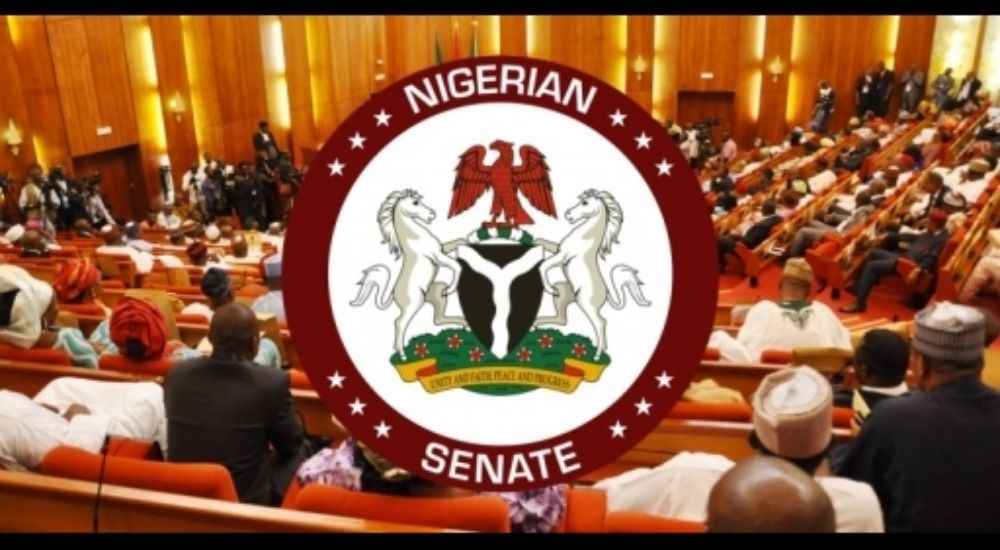
The Nigerian Senate has launched an intensive investigation into Aiteo Exploration and Production Company Limited, now known as Nembe Exploration and Production Company Limited, over an alleged remittance default totaling 71.65 million dollars and 30.7 billion naira. The Upper Legislative Chamber handed the investigative mandate to its Committee on Niger Delta Affairs following a motion of urgent national importance. The defaulting operator reportedly withheld the statutory funds, which are legally earmarked for the development of oil-producing communities. Abuja is aggressively pushing back against the culture of financial insubordination within the extractive sector.
The massive financial hole represents a blatant breach of the Niger Delta Development Commission Act. Under existing statutory provisions, all upstream oil and gas companies operating within the region must remit 3 per cent of their total annual budgets to the commission. The prosecution argues that the operator systematically underpaid or outrightly delayed its fiscal obligations across multiple consecutive production cycles. This persistent financial non-compliance has directly starved the commission of the critical liquidity required to complete infrastructure projects.
The economic and social fallout of the default has severely punished host communities across the region. Local contractor groups recently raised a public alarm, noting that the systemic withholding of funds has pushed the commission’s debt profile past 3 trillion naira. Consequently, hundreds of vital rural roads, clinics, and electrification schemes remain completely abandoned due to non-payment. The fiscal strain has triggered fresh regional anxieties, threatening to upend the fragile peace that sustains daily crude oil production.
The Senate has directed the committee to summon the chief executives of the defaulting firm alongside the regulatory leadership of the Nigerian Upstream Petroleum Regulatory Commission. Lawmakers intend to audit the company’s internal accounting books to cross-reference their actual annual expenditures against their declared remittances. The National Assembly insists that legislative oversight will no longer tolerate vague administrative explanations or accounting tricks from multinationals. Operators must either comply with the letter of the law or face severe corporate sanctions.
The probe unfolds as the federal government tries to aggressively curb institutional leakages to fund its overstretched national budget. Over the last year, lawmakers have uncovered massive audit discrepancies across multiple state enterprises, including a controversial 210 trillion naira query linked to the national oil company. Throwing public money at regional development agencies achieves absolutely nothing if private partners are allowed to bypass their statutory tax obligations. The presidency expects the upper house to enforce an immediate recovery of the outstanding billions.
The investigative committee has a strictly limited timeframe to submit its formal report and recommendations to the plenary. The outcome of this probe will set a critical precedent for subnational resource management under the Petroleum Industry Act. If the Senate allows the firm to stall or negotiate away its legal debts, the wider regulatory framework loses its baseline authority. Abuja must use its full constitutional weight to prove that corporate entities cannot exploit the country’s natural wealth while starving its citizens of statutory development capital.