

UN Report: Women Hold Only 64% of Legal Rights Enjoyed by Men
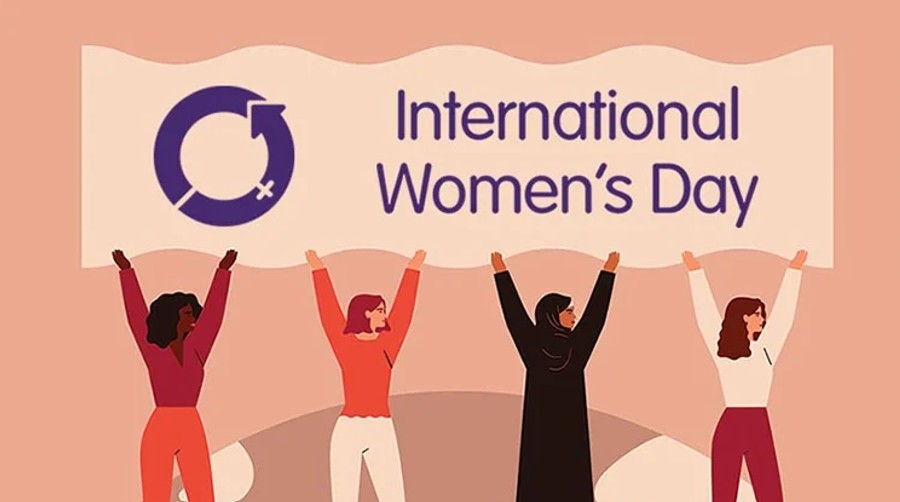
A landmark United Nations report released for International Women’s Day 2026 reveals a sobering reality: despite decades of advocacy, women globally hold just 64% of the legal rights afforded to men. The report, titled “Ensuring and Strengthening Access to Justice for All Women and Girls,” warns of a “justice gap” that leaves half the world’s population exposed to abuse and systemic exclusion. UN Secretary-General António Guterres described the findings as a “global alert,” noting that no country on earth has achieved full legal equality.
The inequality is most acute in fundamental areas of life, including safety, employment, and family law. In more than half of the world’s countries, 54% rape is still not legally defined based on the principle of consent. Furthermore, nearly three out of four nations continue to permit child marriage under certain legal conditions, effectively stalling the education and economic potential of approximately 12 million girls every year.
Economic disparity remains hardwired into many national legal systems. The report found that 44% of countries lack laws guaranteeing equal pay for work of equal value. Beyond the workplace, women in many jurisdictions still face significant barriers to owning property, seeking divorce, or even moving freely without a husband’s permission. At the current rate of reform, the UN estimates it will take another 286 years to fully close these legal protection gaps.
Conflict zones present the most extreme environment for these injustices. Approximately 676 million women and girls now live within 50 kilometres of active conflict—the highest number since the 1990s. In these regions, sexual violence is frequently used as a weapon of war, with reported cases rising by 87% in just two years. UN Women Executive Director Sima Bahous warned that when justice systems fail in these contexts, they lose all legitimacy, eroding public trust and the broader rule of law.
Despite the prevailing gloom, the report notes pockets of progress. Today, 87% of countries have enacted legislation against domestic violence, and more than 40 nations have strengthened constitutional protections for women over the last decade. However, the UN cautions that “rights on paper” rarely translate to “rights in practice” due to social stigma, high legal costs, and a lack of trust in male-dominated judicial institutions.
The 2026 International Women’s Day theme, “Rights. Justice. Action. For ALL Women and Girls,” serves as a rallying cry ahead of the 70th Session of the Commission on the Status of Women (CSW70). The UN is calling for a “collective turning point” to dismantle discriminatory laws and fund women’s rights movements. As Secretary-General Guterres remarked, “When we are not equal under the law, we are not equal.”