
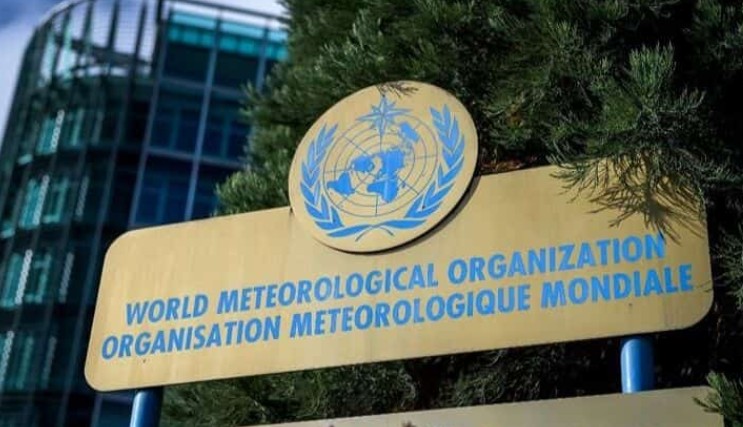
The planet is on track to burn past its hottest year on record before 2031. A grim update from the World Meteorological Organisation states that global temperatures will hover near peak thresholds for the next five years. Humanity has already clocked the eleven warmest years on record since 2015, and the trend shows no sign of slowing. Experts now project an 86 per cent chance that a single year before 2030 will unseat 2024 as the hottest period in human history. The finding underscores the stubborn reality that global heating continues to outpace international efforts to curb carbon emissions.
Closer analysis reveals a 75 per cent probability that the five-year average temperature between 2026 and 2030 will breach the critical 1.5 degrees Celsius ceiling. This benchmark represents the target that global leaders agreed to protect during the 2015 Paris climate accords. Crossing this line exposes ecosystems to severe disruption and unpredictable weather extremes. Scientists expect the mercury to test these limits with rising regularity over the next decade. The projected five-year global temperature range sits between 1.3 degrees Celsius and 1.9 degrees Celsius above pre-industrial baselines.
A looming El Niño weather pattern will likely accelerate this near-term spike. Forecasters expect the natural marine warming phenomenon to emerge in the equatorial Pacific Ocean late this year. This cyclical shift alters wind patterns and traps extra heat across the globe, usually peaking months after its initial arrival. Because of this lag, meteorologists identify 2027 as the prime candidate to shatter the previous all-time temperature records. The last El Niño event drove global temperatures to unprecedented highs throughout 2023 and 2024.
Regional data shows that the global averages conceal much harsher climate shifts at the poles. The Arctic is warming at more than three times the rate of the rest of the planet due to rapidly disappearing ice sheets. Northern hemisphere winter temperatures over the next five years will likely hit 2.8 degrees Celsius above recent historical norms. Less snow cover means the region absorbs more solar radiation instead of reflecting it into space. This feedback loop threatens to permanently alter the weather systems that govern the Northern Hemisphere.
Altered rainfall patterns will also redraw the agricultural map over the next four years. Computer models show a strong shift toward heavier precipitation in regions like the Sahel, northern Europe, Alaska, and Siberia. Conversely, the Amazon basin faces severe dry anomalies that threaten to trigger prolonged droughts. Deeper dry spells risk weakening the Amazon rainforest, which serves as a vital natural buffer against carbon emissions. These competing extremes of flood and drought will test global food supply chains to their absolute limits.
The predicted spike does not mean the Paris Agreement has failed. The international framework measures climate targets over a sustained twenty-year average rather than isolated annual anomalies. Single-year breaches serve as a volatile preview of a permanent future rather than an immediate treaty violation. However, the window to limit long-term warming to safe thresholds is closing rapidly. Nations must confront the human and economic costs of burning immense volumes of coal, oil, and gas.