
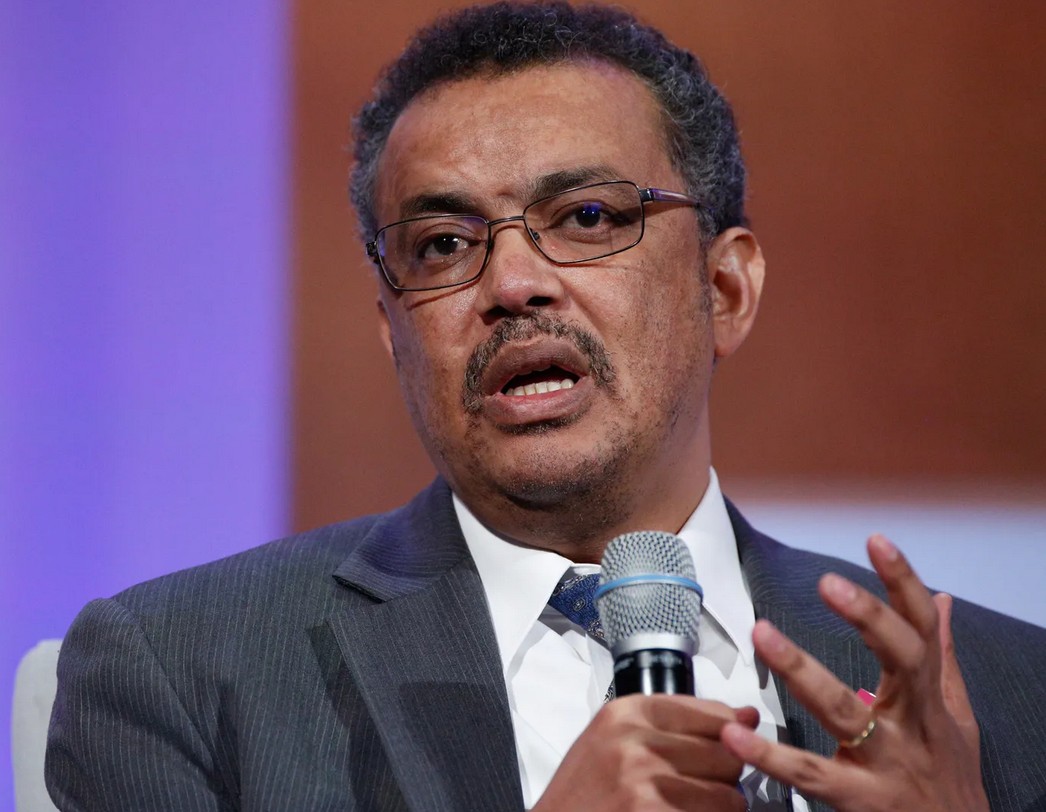
The Director-General of the World Health Organization, Tedros Adhanom Ghebreyesus, warned that a worsening Ebola outbreak in the Democratic Republic of the Congo has outpaced official data. While laboratory tests confirm 82 cases and seven deaths, surveillance data suggest a far more severe epidemic. Health authorities now track nearly 750 suspected cases and 177 suspected deaths across the central African nation. The global health body fears the virus is spreading undetected through vulnerable rural communities.
The outbreak has already spilled across international borders into neighbouring Uganda. Local authorities in Kampala confirmed two cases and one death, though the health ministry reports that the situation there remains temporarily stable. The threat of regional contagion has prompted emergency border screenings and heightened regional surveillance. Western nations have also recorded direct exposure to the lethal pathogen through humanitarian channels. An American aid worker who contracted the virus in the Congo was flown to Germany for specialised intensive care.
A second American citizen, classified as a high-risk contact, was moved to the Czech Republic under strict isolation protocols. International containment efforts face severe disruptions from local militia violence and deep-seated community resistance. Armed instability in the eastern regions prevents medical teams from tracking contacts or administering vaccines effectively. Just this week, angry residents attacked and burned an Ebola treatment centre in the country. Such hostility routinely forces medical workers to retreat from volatile areas.
The global health body designated Ituri Province as the current epicentre of the transmission cycle. Dr Tedros confirmed the deployment of additional emergency personnel to the province to bolster failing local containment infrastructure. The agency relies heavily on improving laboratory capacity to convert suspected numbers into confirmed data. Poor road networks and a collapsed domestic health system further complicate sample collection. The WHO has briefed member states to coordinate a unified international response and secure emergency funding..
Controlling the virus requires absolute community trust, a commodity currently in short supply in the eastern Congo. Persistent misinformation leads families to hide sick relatives rather than bring them to isolation wards. This concealment guarantees further household transmission and drives up the hidden death toll. International partners must negotiate safe passage with local factions to establish stable treatment corridors. Without a lull in regional violence, containment remains a distant prospect.