


35 Million Nigerians Face Hunger Risk as Global Aid Budgets Collapse, UN Warns
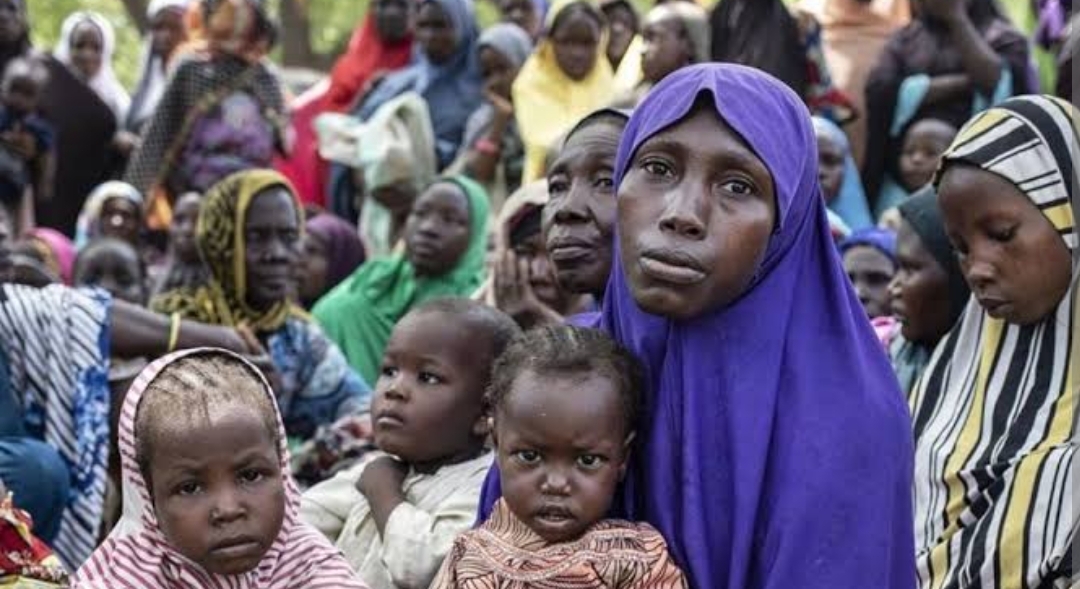
Nearly 35 million Nigerians are at risk of hunger this year, including 3 million children facing severe malnutrition, the United Nations disclosed on Thursday, as the collapse of global aid budgets forces a dramatic scaling back of humanitarian operations across the country.
Speaking at the launch of the 2026 humanitarian plan in Abuja, UN Resident and Humanitarian Coordinator Mohamed Malick Fall painted a grim picture of Nigeria’s escalating humanitarian crisis, warning that the long-dominant, foreign-led aid model is no longer sustainable even as the nation’s needs continue to expand.
“These are not statistics. These numbers represent lives, futures and Nigerians,” Fall stated during the event.
Read Also: Trump Unveils Controversial ‘Board Of Peace’ At Davos As Allies Balk And 35 Nations Sign On
The UN official revealed that the organization can only aim to deliver $516 million to provide lifesaving aid to 2.5 million people this year, a sharp reduction from 3.6 million people reached in 2025, which itself represented approximately half the coverage level of the previous year.
Fall said the UN had no choice but to focus on “the most lifesaving” interventions given the dramatic drop in available funding, a shift that means millions of vulnerable Nigerians will receive no international humanitarian support despite facing acute need.
Conditions in Nigeria’s conflict-affected northeast remain dire, according to the UN coordinator, with civilians in Borno, Adamawa, and Yobe states facing rising violence and deteriorating security.
Fall disclosed that a surge in suicide bombings and widespread attacks killed more than 4,000 people in the first eight months of 2025 alone, matching the entire death toll recorded for all of 2023. The alarming figures underscore the intensification of insurgency-related violence in the region, which has been the epicenter of the Boko Haram and Islamic State West Africa Province insurgencies since 2009.
The three northeastern states have borne the brunt of over a decade of armed conflict that has displaced millions of people, destroyed infrastructure, disrupted livelihoods, and created one of Africa’s most severe humanitarian emergencies.
Nigeria’s humanitarian crisis has deep roots extending back to the emergence of the Boko Haram insurgency in 2009. What began as a localized religious extremist movement in Borno State gradually evolved into a full-scale armed conflict that has claimed tens of thousands of lives and displaced more than 2 million people across the northeast.
Read Also: United States Set To Officially Exit World Health Organization
The conflict created massive displacement camps in Maiduguri, Yola, and other regional centers, where hundreds of thousands of internally displaced persons have lived for years in precarious conditions. Humanitarian agencies, including UN bodies and international non-governmental organizations, have provided essential services including food assistance, healthcare, shelter, and protection to these vulnerable populations.
Beyond the northeast, Nigeria faces multiple overlapping humanitarian challenges. Communal conflicts over land and resources in the north-central region have displaced hundreds of thousands more people. Banditry and kidnapping in the northwest have disrupted agricultural production and forced entire communities to flee. Climate change impacts, including flooding and desertification, have further exacerbated food insecurity across the country.
The convergence of these crises has stretched Nigeria’s humanitarian needs far beyond the capacity of international aid mechanisms to address, even before the recent collapse in global funding.
The funding shortfalls affecting Nigeria reflect broader pressures on the global humanitarian system. Competing crises in Ukraine, Sudan, Gaza, and elsewhere have strained donor budgets, while economic challenges in traditional donor countries have led to aid budget cuts.
Shortfalls in 2025 had already forced the World Food Programme to warn that millions could go hungry in Nigeria as its resources ran out in December, compelling the agency to cut support for more than 300,000 children who depended on its nutrition programs.
The reduction in international support comes at a particularly vulnerable time for Nigeria, as the country grapples with its worst economic crisis in a generation. High inflation, currency devaluation, and the removal of fuel subsidies have pushed millions of additional Nigerians into poverty and food insecurity, compounding the challenges faced by those already affected by conflict and displacement.
Despite the bleak funding outlook, Fall highlighted some positive developments in Nigeria’s response to the crisis, noting growing national ownership of humanitarian operations in recent months.
He cited measures such as local funding for lean-season food support and early-warning action on flooding as evidence of increased government engagement in crisis response. The lean season, typically between May and August, is when food stocks from the previous harvest run low and prices spike, leaving vulnerable households at heightened risk of hunger.
“We hope to identify ways to return internally displaced persons to the communities from which they were expelled in the north-central states, interdict weapons and funding going to terrorist groups, expand investigations, and ensure the prosecution of individuals and groups committing atrocities,” Fall said, outlining areas where improved Nigerian government action could help address root causes of the humanitarian crisis.
The shift toward greater national ownership of humanitarian response reflects both necessity, given declining international funding, and a recognition that sustainable solutions to Nigeria’s crises must ultimately be led and resourced by Nigerians themselves.