


Markets Rally as Trump Claims Iranian Military Is ‘Nothing Left’
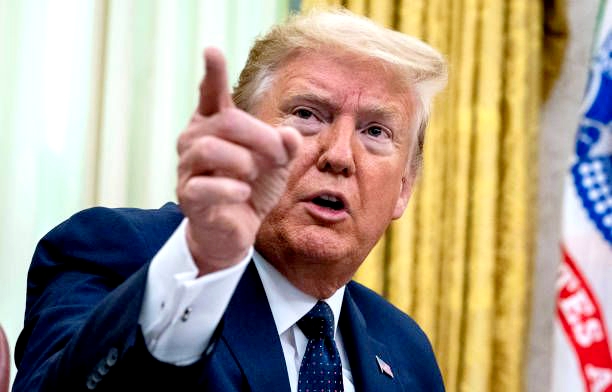
Global equities surged, and oil prices retreated sharply on Tuesday after U.S. President Donald Trump suggested the war against Iran is nearing an early conclusion. Speaking to CBS News, Mr. Trump claimed the military campaign is “very far” ahead of his initial month-long timeline, asserting that Iranian forces have been effectively neutralised. The remarks provided a reprieve for nervous investors who had spent the previous 48 hours bracing for a protracted conflict.
“I think the war is very complete, pretty much,” Mr. Trump stated, citing the destruction of Iran’s navy, air force, and communication networks. He later told a press conference in Florida that the conflict would end “very soon,” though he tempered the optimism with a threat of “incalculable” force should Tehran attempt to maintain its blockade of the Strait of Hormuz. These comments triggered a 10 per cent plunge in crude prices, which had peaked at $119 per barrel only a day earlier.
The market recovery was bolstered by news that G7 finance ministers are discussing the release of oil stockpiles to counter supply shocks. Further easing the pressure, the White House announced a temporary waiver on certain Russia-linked oil sanctions to allow sales to India. Asian markets responded with enthusiasm; Seoul’s index jumped six per cent, while Tokyo, Hong Kong, and Shanghai posted significant gains following a late-day rally on Wall Street.
Despite the White House’s confidence, the situation on the ground remains perilous. Iran’s Revolutionary Guards dismissed the President’s timeline, insisting they would “determine the end of the war.” The Strait of Hormuz remains a primary flashpoint, with shipping experts reporting attacks on approximately ten vessels since the blockade began. Major shipping firm MSC has halted Gulf exports, while national energy companies in Qatar, Kuwait, and Bahrain have declared force majeure on their contracts.
Diplomatic efforts to break the maritime deadlock are intensifying. French President Emmanuel Macron confirmed that France is coordinating a “purely defensive” mission with allies to reopen the waterway. This comes as Saudi Arabia reported thwarting a drone attack on an oil field near the Emirati border, a reminder that the conflict’s kinetic reach extends beyond the immediate theatre of war.
Analysts remain cautious, noting that while the “pressure valve” has been released, energy market volatility remains at historic highs. The gap between Washington’s rhetoric and the reality of a shuttered Strait of Hormuz continues to weigh on long-term projections. Traders are currently pricing in a significant “uncertainty premium” as they wait to see if Tehran’s capabilities are as diminished as the U.S. President claims.
For Nigeria, the drop in global oil prices offers a bittersweet reprieve. While it may slow the rise of domestic fuel costs, it also threatens the windfall gains the federation expected from the recent price spike. As the conflict enters this unpredictable phase, the global economy sits in a fragile equilibrium between a rapid resolution and a second wave of escalation.