
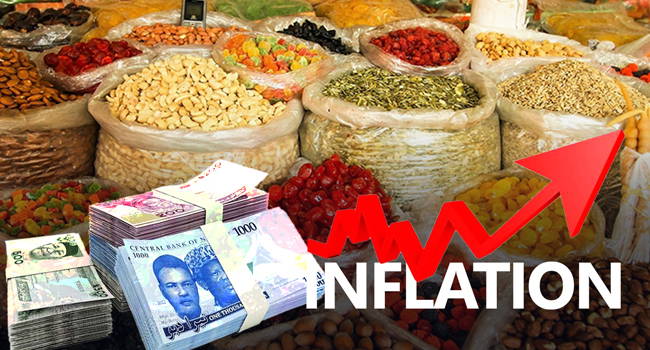
In recent years, Nigeria has witnessed a perplexing economic phenomenon: the rising prices of food and essential items despite a backdrop of poor consumer demand. This situation is particularly striking as it unfolds against the backdrop of the religious observance periods of Lent for Christians and Ramadan for Muslims, times traditionally marked by fasting and austere consumption patterns. Furthermore, reports from the National Bureau of Statistics (NBS) have indicated that Nigeria’s headline inflation rate slowed to 15.1% in January 2026, down from 15.15% in December 2025, marking the tenth consecutive monthly decline, yet the everyday experience of Nigerians contradicts these statistics. This article explores the multifarious causes of rising prices, the implications of inflation statistics, and the socio-cultural context that influences consumer behavior during Lent and Ramadan.
The Economic Context
To understand the current economic climate in Nigeria, we must first acknowledge the broader context of the economy. Nigeria, rich in resources, has been grappling with various security and economic challenges, including fluctuating oil prices, currency devaluation, and poor infrastructure. Despite its vast agricultural potential, the agricultural sector has not been able to keep pace with population growth or provide enough stability to mitigate price surges.
The recent decrease in inflation rates reported by the NBS may suggest an overall improvement in some sectors; however, this does not reflect the experiences of many Nigerians who are grappling with daily living expenses. The discrepancy arises from several factors: the lagging effect of previous inflation, supply chain disruptions exacerbated by global events such as the Russian-Ukrainian conflict impacting grain supplies, and heightened fuel prices, which directly influence transportation and logistics costs. Together, these factors create an environment where prices can rise sharply despite diminished consumer demand.
Price Hikes amid Poor Demand
One would expect that lower demand during Lent and Ramadan would lead to reduced prices, particularly for foodstuffs. However, the opposite has been observed. Businesses may inflate prices in anticipation of seasonal spikes, capitalizing on the belief that consumers will spend regardless of their actual purchasing power. The interplay between expectation and reality often drives prices upward, creating a cycle where merchants raise prices based on perceived consumer willingness rather than actual demand.
Moreover, there is a psychological component at play. With both Lent and Ramadan being periods of religious reflection, many individuals may prioritize spending on specific foods associated with their traditions — such as fish for Lent or dates for breaking fast during Ramadan. Vendors, recognizing this tradition, may inflate prices, knowing consumers will pay more for these culturally significant items. This creates an artificial demand that can contribute to continuing price increases even when overall market demand is low.
Impacts of Inflation Measurements
The NBS’s reports of declining inflation can be misleading when evaluated alongside the lived experiences of ordinary citizens. Statistical measures of inflation often do not capture the realities of local markets or individual experiences. Inflation computation typically relies on a basket of goods representing an average consumer’s expenditures. If essential commodities like rice, sugar, or cooking oil witness disproportionate price increases while other items remain stable, the overall inflation rate may appear lower than what consumers feel in their pockets.
Additionally, the focus on macroeconomic indicators might obscure significant regional disparities. Urban centers might experience different price dynamics than rural areas. For instance, while inflation may be declining nationally, urban populations reliant on imported goods may still face exorbitant prices due to import costs, exchange rates, or transportation issues. In contrast, local producers in rural areas might benefit from relatively lower prices but struggle with access to larger markets.
Cultural Context of Consumption during Lent and Ramadan
The cultural context significantly influences consumer behavior during religious periods like Lent and Ramadan. Lent, observed by Christians, is generally characterized by fasting and reflective spending, which can temporarily reduce demand for certain food items. However, many Christians may also indulge in particular foods that hold significance, leading to increased competition for those specific goods.
Conversely, during Ramadan, Muslims fast during the day and break their fast with communal meals that often require special ingredients. This cultural practice can spike demand for certain items, such as dates, rice, and meat, contributing to increased prices. Market vendors leverage this cultural cycle to increase prices, capitalizing on the heightened demand for specific foods during these periods.
This cultural dynamic illustrates how traditional practices can clash with economic theories. Rather than following conventional supply-and-demand principles, the cultural importance placed on specific food items during religious observances can lead to inflationary pressures, counteracting the expected economic behavior based on lesser demand.
The Role of Government Policies and Market Regulation
Government policies and regulatory environments also play a pivotal role in shaping food prices. In Nigeria, inconsistent agricultural policies, lack of investment in infrastructure, and insufficient support for local farmers create barriers to stable food production and distribution. When production is hindered, market prices naturally rise as supply becomes limited.
Furthermore, the absence of effective price controls means that merchants can set prices arbitrarily during periods of high demand, exacerbating the challenges faced by consumers. While governments worldwide sometimes implement price controls to stabilize essential goods, Nigeria’s lack of enforcement mechanisms allows for frequent exploitation.
Efforts to improve agricultural productivity and market access can help alleviate food price pressures. However, addressing systemic issues such as corruption, inefficiency, and inadequate transportation networks is crucial for long-term solutions. As these problems persist, the cycle of rising prices may continue, trapping consumers in an economic bind.
External Factors
The ongoing crises in the Middle East have had significant repercussions on global oil prices, directly impacting Nigeria’s economy. As fuel prices rise due to geopolitical tensions and supply chain disruptions, the costs of goods and services in Nigeria have correspondingly increased. The country, heavily reliant on imported goods, faces inflation as transport costs increase, affecting food prices and basic commodities. Consequently, the economic strain exacerbated by these external factors forces many Nigerians into deeper financial hardship, highlighting the interconnectedness of global events and local economies in an era of globalization.
Consumer Strategies in Response to Rising Prices
Reports indicate that real household consumption expenditure in Nigeria has been in decline since the third quarter of 2023, with a dramatic, near-total collapse in the second quarter of 2024. Furthermore, reports from 2025 and early 2026 suggest that many households are prioritizing survival over essential goods
Amid rising prices, consumers have begun to adapt their purchasing behaviors. Consumers are feeling the pinch; many are forced to adapt their spending habits to cope with the inflationary pressures. Strategies such as bulk buying, prioritizing essential purchases, and seeking alternative low-cost options have become common. Additionally, increased awareness of local products encourages consumers to support domestic markets, potentially alleviating some economic strain in the face of rising prices.
Moreover, education plays a vital role in equipping consumers to make informed decisions during these challenging times. Workshops on budgeting, food preservation, and cooking with less expensive ingredients can help families navigate the economic landscape more effectively. Empowering communities with knowledge can foster resilience in the face of rising costs.
Conclusion
The current rising prices of food and other necessities in Nigeria represent a conundrum exacerbated by an array of economic, cultural, and regulatory factors. Despite declining inflation measured by the NBS, everyday experiences reveal a starkly different reality for many citizens. The effect of religious observances, poor supply dynamics, and exploitative marketplace practices converges to create an environment where prices continue to rise, leaving consumers challenged.
Addressing these issues requires a concerted effort from stakeholders, including government authorities, market regulators, and consumers themselves. By fostering agricultural investment, improving supply chain infrastructure, and enhancing consumer education, Nigeria can begin to mitigate the impact of rising prices and build a more resilient economy. As the nation continues to navigate these economic fluctuations, understanding the underlying factors influencing prices will be essential for policymakers and consumers alike, particularly as they seek to balance spiritual observance with the realistic constraints of economic participation.