
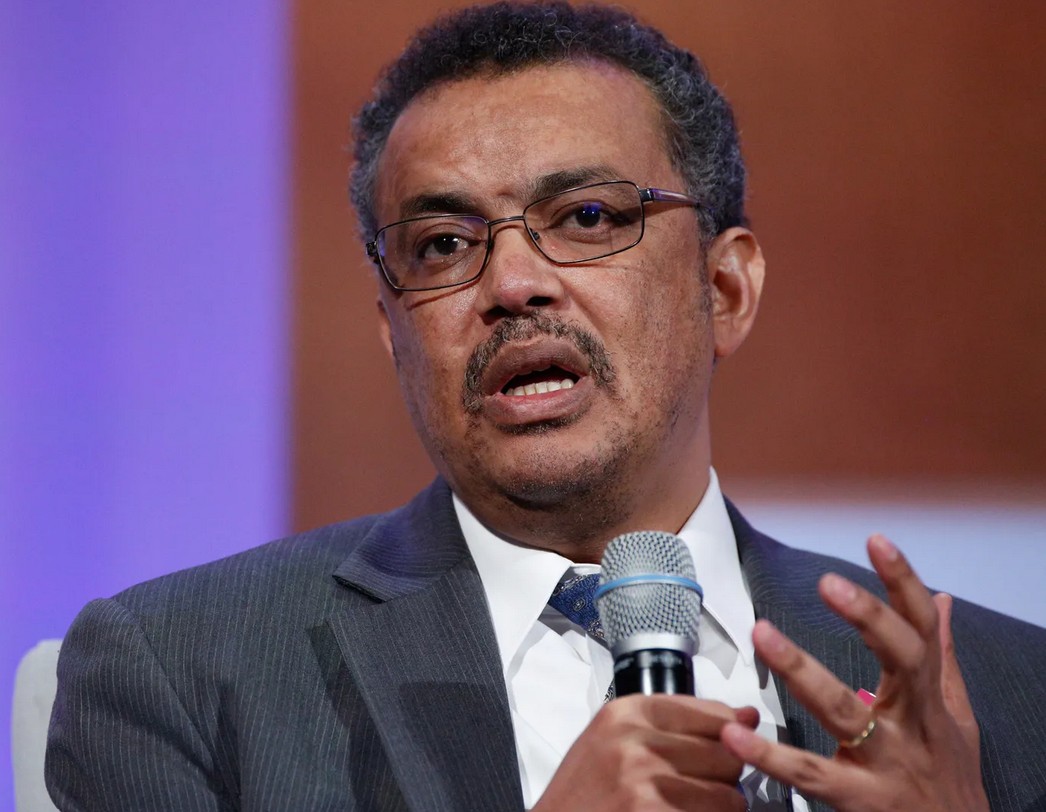
A drone attack on the el-Daein Teaching Hospital in East Darfur has killed 64 people, including 13 children and three medical staff. The strike occurred on Friday night as civilians marked the Eid al-Fitr festival, effectively destroying the facility’s top floor and emergency department. World Health Organisation (WHO) chief Tedros Adhanom Ghebreyesus confirmed the death toll and noted that 89 others were wounded. The hospital, a vital lifeline for thousands in the region, is now completely out of service. This marks one of the deadliest single hits on medical infrastructure since the civil war began nearly three years ago.
The paramilitary Rapid Support Forces (RSF), which controls the city, blamed the Sudanese army for the strike. The military has denied the accusation, claiming it abides by international norms despite the near-daily drone activity in the Kordofan-Darfur corridor. This region has become a pivotal front line as the army attempts to sever RSF supply lines between the west and the capital, Khartoum. Independent monitors, including the Emergency Lawyers group, have called for an urgent investigation into the atrocity. They argue that the deliberate targeting of health facilities has become a systemic feature of this conflict.
The humanitarian statistics in Sudan are now the most dire on the planet. Since April 2023, more than 150,000 people have died, and 12 million have been displaced, roughly one-third of the population. The WHO has documented 213 attacks on healthcare facilities during this period, resulting in over 2,000 deaths. Dr. Tedros described the situation as an endless cycle of bloodletting that must be de-escalated. Peace efforts led by the United States have so far failed to produce a lasting ceasefire. The warring generals, once allies in a 2021 coup, remain locked in a zero-sum struggle for absolute power.
East Darfur’s geographical position makes it a high-risk zone for such “collateral” damage. It serves as the primary land bridge for the RSF to move fighters and equipment from their western strongholds toward the centre of the country. As the army ramps up its aerial campaign to reclaim lost territory, civilian infrastructure is increasingly caught in the crossfire. For the people of el-Daein, the loss of their only major teaching hospital means that even minor injuries may now become death sentences. Medical equipment and surgical theatres were reportedly turned to rubble in the blast.
The muted Eid celebrations across Sudan reflect a nation exhausted by three years of violence. In many cities, the traditional festive prayers were replaced by funerals for those killed in recent skirmishes. The UN continues to label this the world’s largest humanitarian crisis, yet global attention remains fractured by conflicts in the Middle East and Europe. Without a functional health system, the risk of disease outbreaks among the millions of displaced persons is skyrocketing. The el-Daein strike is not just a military event; it is a profound social collapse.
Justice for the victims remains a distant prospect. While local rights organisations continue to document atrocities by both sides, the lack of an international enforcement mechanism means impunity is the current law of the land. The Emergency Lawyers group insists that those responsible for the hospital strike must face a transparent tribunal. Until then, the “medicine” of peace that Dr. Tedros called for remains out of reach. Sudan’s civil war has become a war on the very institutions that sustain life.