


World Health Assembly Approves Post-2030 Tuberculosis Strategy
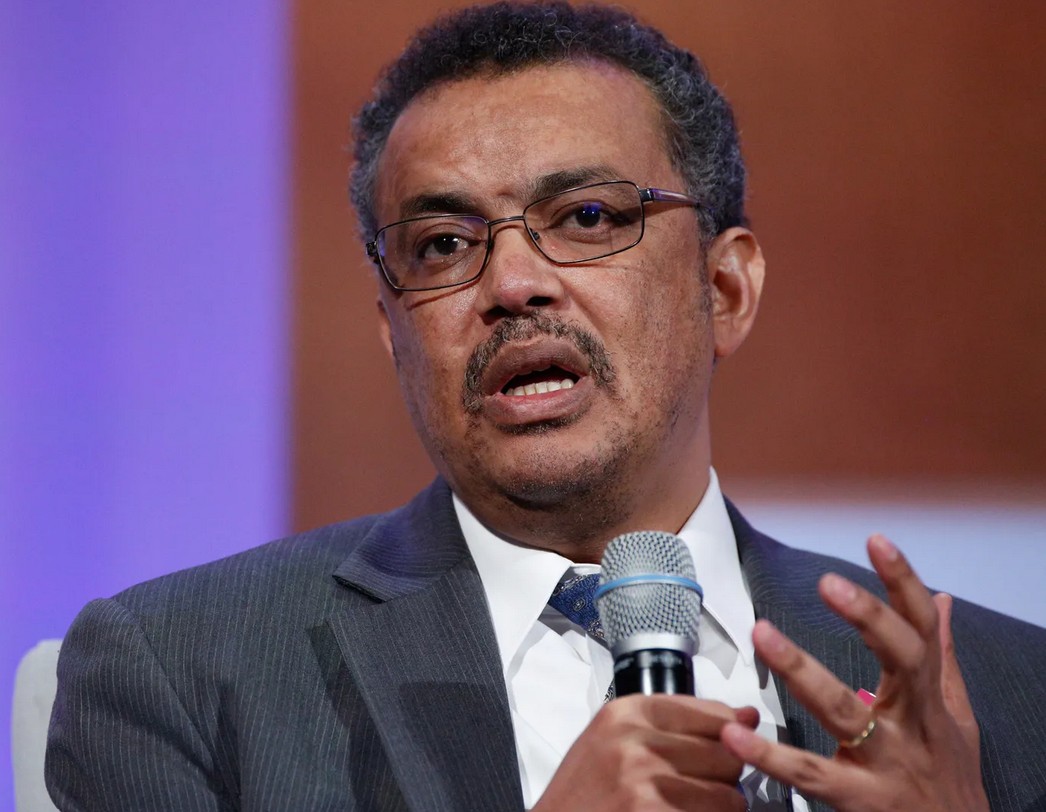
The 79th World Health Assembly approved the development of a new global tuberculosis strategy to extend containment efforts beyond the year 2030. Member states directed World Health Organisation Director-General Tedros Adhanom Ghebreyesus to lead international consultations on the framework immediately. The global health body plans to present a comprehensive draft of the policy at the 81st World Health Assembly in 2028. This upcoming framework will replace the current End TB Strategy after regional targets look set to expire unfulfilled.
The new guidelines will restructure national responses around emerging scientific tools and current epidemiological realities. Health officials aim to integrate tuberculosis detection tightly with primary healthcare clinics and universal coverage programmes. The timing supports bureaucratic preparations for the 2028 United Nations High-Level Meeting on tuberculosis. Global planners worry that political interest might wane once the 2030 Sustainable Development Goals deadline passes. The agency seeks to secure long-term funding commitments before global attention shifts to other emerging crises.
Expanded therapeutic interventions saved roughly 83 million lives globally between the years 2000 and 2024. Recent surveillance shows that 2024 delivered the first definitive post-pandemic reduction in new tuberculosis infections. That same period logged the highest global access rates to diagnostic services since tracking began. Despite these technical successes, the respiratory disease remains a leading infectious killer across low-income nations. Wealth disparities and broken supply chains leave millions without regular access to standard antibiotic therapies.
Global health administrators warned that structural challenges continue to threaten hard-won clinical gains. Pandemic disruptions, climate-driven population displacement, and regional conflicts have widened gaps in local tracking networks. Severe institutional underfunding leaves many diagnostic centres without modern molecular testing machines. These combined setbacks mean that many high-burden nations will miss their original targets for disease eradication. Developing countries require sustained technical assistance to stop drug-resistant strains from multiplying in crowded urban settlements.
The assembly also addressed other neglected global health crises through separate policy declarations. Delegates officially recognised Steatotic Liver Disease as a severe noncommunicable threat that currently impacts 1.7 billion people. Obesity, type-two diabetes, and rising alcohol consumption remain the primary drivers of this metabolic condition. The resolution urges member nations to incorporate liver disease tracking into their existing health networks. Delegates similarly passed measures to address haemophilia, noting that 70 per cent of bleeding disorders remain entirely undiagnosed.