
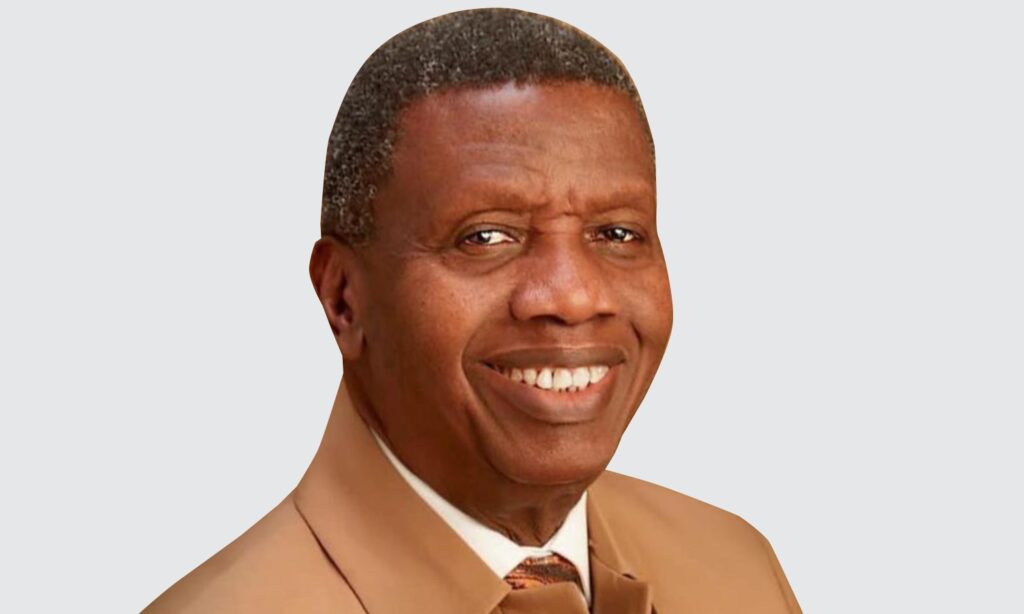
Enoch Adeboye has dismissed claims that the Redeemed Christian Church of God acts as an arm of the ruling All Progressives Congress. The cleric used his May Holy Ghost Service to clarify the church’s distance from partisan politics. He noted that governors from rival parties sit together in his pews without friction. This suggests the church aims for a brand of national neutrality. It wants to be seen as a sanctuary rather than a campaign ground. The altar remains off-limits to any politician seeking a public platform.
The General Overseer insists that God has already chosen Nigeria’s leader for the 2027 elections. He told his followers that the outcome was settled before they were born. This fatalistic view encourages a retreat from political anxiety toward spiritual focus. It serves as a quiet rebuke to those who expect the church to endorse specific candidates. Adeboye prefers to pray for whoever sits in power. His role is to shepherd souls, not to manage ballot boxes.
Public memory often links the cleric to street protests against past governments. Adeboye clarified that those marches were not personal political statements. He acted only on the orders of the Christian Association of Nigeria. If the association calls for a fresh march tomorrow, he will join. This framing shifts the burden of political activism away from his person. He presents himself as a foot soldier for the wider Christian body. It is a calculated move to protect his individual influence.
The church leader also rejected the title of spiritual father to all Nigerian Christians. He claims the leadership of his own denomination is a large enough task. This modesty helps him avoid the crossfire of inter-denominational disputes. By narrowing his jurisdiction, he strengthens his grip on his own flock. He promised to defend his members against any outside critics or bloggers. This vow of protection fosters a fierce loyalty among his millions of followers.
Adeboye warned his congregation to stay out of digital brawls over politics. He views such disputes as a trap used by outsiders to divide the faithful. The message is clear: the church must remain a closed and protected circle. This stance prioritises internal unity over public debate or political accountability. It is a defensive posture in an increasingly noisy digital age. The church seeks to be a world apart from the chaos of the state.
Nigeria’s religious landscape remains a primary theatre for political influence. Adeboye’s attempt to de-link his brand from the APC is a tactical necessity. As economic pressures mount, being tied to any administration carries a heavy reputational risk. He is steering his ship away from the rocky shores of partisanship. Whether the public believes this neutrality is another matter entirely. For now, the pulpit stays silent on the specifics of governance.