


Dangote Refinery Reverts Petrol Price to N1,275
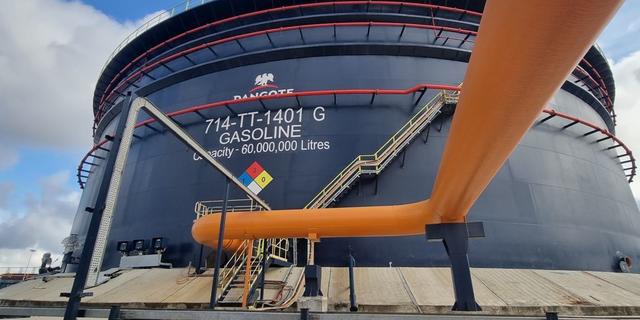
Aliko Dangote’s refinery has scrapped its brief attempt to raise the price of petrol at its gates. On Wednesday, the firm reversed a N75 increase that had pushed the depot price toward N1,350 per litre. The cost for marketers has now returned to the N1,275 benchmark. This pivot follows a week of confusion that saw loading schedules stall and invoices disappear from the system. Market players were left guessing while the refinery recalculated its margins against a backdrop of tight local supply.
The refinery previously blamed the price hike on the rising cost of crude and logistics. A senior official confirmed that loading points had been updated before the sudden U-turn occurred. This volatility suggests the refinery is still finding its feet in a market that remains sensitive to any price shift. Management recently admitted that it has been subsidising both petrol and diesel to keep the local economy afloat. Such a policy is difficult to maintain when international crude prices move against the naira.
A short-term supply squeeze worsened the situation when the refinery stopped issuing pro forma invoices. This suspension blocked marketers from scheduling new pickups and created an immediate bottleneck at the gantry. When supply chains tighten, prices usually rise to meet the strain. The refinery appears to have tested the market’s tolerance for a higher price before retreating to the status quo. It is a sign that even a monopoly must tread carefully with its pricing power.
The return to N1,275 offers some temporary relief for downstream marketers. They had already begun adjusting their own templates to account for the N75 spike. These rapid changes often lead to panic at the pumps as retail outlets try to protect their capital. By reversing the hike, the refinery has quietened fears of a fresh round of inflation in transport costs. Still, the underlying pressures of energy pricing and supply chain frictions remain unresolved.
The refinery represents Nigeria’s best hope for ending a long dependence on fuel imports. However, the business of refining is a game of thin margins and high volumes. If the refinery continues to sell below its cost of production, it will eventually face a liquidity crunch. The current dance over a N75 difference shows how fragile the pricing agreement between the state and the private sector remains. Both parties are trying to avoid a total market shock while dealing with the reality of global oil prices.
Supply conditions in the Nigerian energy sector are never far from the edge of a crisis. This week’s price flip-flop highlights the lack of a clear, predictable framework for the industry. While the refinery has the right to adjust its costs, the impact on the street is immediate and often political. For now, the gantry price is back where it started. Whether it stays there depends more on the cost of a barrel of crude than any decree from Lagos.