
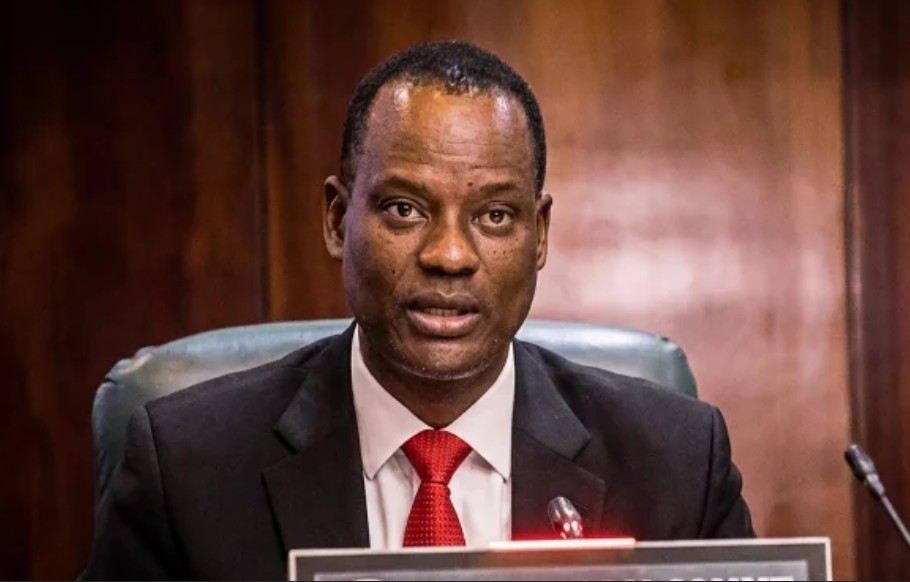
Nigeria will not return to the ruinous era of fuel subsidies or state-mandated price controls. Finance Minister Taiwo Oyedele confirmed this stance to global investors in Paris this week. He argued that subsidies create economic distortions that the country can no longer afford. The government remains convinced that market forces are the only credible way to price energy. Officials spent their time in France pitching a reform agenda meant to stabilise the treasury. They want to convince the world that the current pain is a bridge to future growth.
President Bola Tinubu is betting his legacy on this fiscal discipline. The administration removed the subsidy in May 2023 to stop a massive drain on public funds. Since then, the cost of transport and food has climbed at a punishing rate. Labour unions and civil groups continue to demand a reversal or a cap on prices. The government has ignored these pleas in favour of a hard market logic. It believes that any return to the old ways would spook the very investors it is trying to attract.
Market forces will now dictate what Nigerians pay at the pump. Oyedele insists that the state will not fix prices for traders or manufacturers. He promised instead that the government would focus on responsible regulation to prevent price gouging. This is a difficult balance to strike in a country where trust in regulators is thin. The goal is to ensure that no single player takes advantage of the new system. It marks a shift from the state as a payer to the state as a referee.
International financiers want to see if the government can hold its nerve. The Paris meetings allowed officials to show off the progress made so far. They faced tough questions about the next steps to deepen these reforms. Investors are looking for more than just brave talk about austerity. They want to see how these measures will eventually improve the lives of the poor. Without results on the ground, the reform narrative will struggle to find buyers at home or abroad.
The removal of the subsidy was a shock to the Nigerian system. It redirected money toward roads, schools, and hospitals that were previously neglected. However, the immediate effect has been a sharp spike in inflation. The government defends this as a necessary evil to keep the economy from sinking. It claims that the old subsidy regime served only a few well-connected people. By ending it, they hope to build a more honest and open economy.
Nigeria is moving toward a future where the state no longer buys petrol for its citizens. This path is full of political risk and social tension. The finance minister believes that the distortions of the past are a greater threat than the protests of the present. He wants to create a predictable environment for those who wish to do business in Lagos or Abuja. For now, the policy is clear, and the government is unmoving. The market is king, and the subsidy is dead.