


Meningitis Outbreak Kills 33 Children in Sokoto
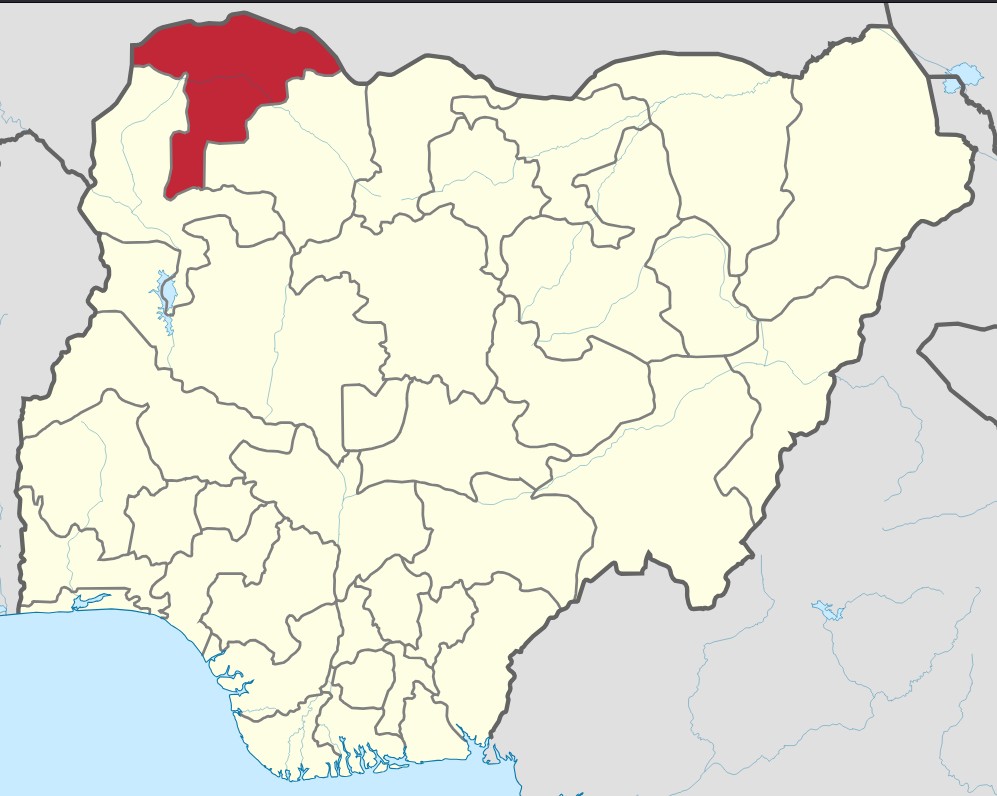
Sokoto health officials have confirmed that 33 children died following an outbreak of cerebrospinal meningitis. The state recorded 256 suspected cases across eight local government areas since the disease resurfaced last month. Sabon Birni is the worst hit with 63 cases, followed closely by Wamakko and Shagari. Most deaths occurred at home because parents initially blamed spiritual forces rather than a medical crisis. Doctors only started to see progress once they moved patients into isolation centres for antibiotic treatment.
The state government now runs two isolation facilities at general hospitals in Dogo Daji and Tambuwal. Medical teams from Médecins Sans Frontières provide support to local staff at these centres. A nurse at Dogo Daji noted that they discharge recovered patients only to see their beds filled immediately by new arrivals. The facility may soon need more wards to separate children from adult patients. Treatment is free, covering everything from drugs and food to sanitary pads.
Environmental conditions in northern Nigeria make these outbreaks almost seasonal. The region sits in the global “meningitis belt” where dry heat and dust help bacteria spread. Professor Bello Magaji Arkilla of the One Health Institute notes that overcrowding in homes turns a local infection into a crisis. High temperatures drive residents to sleep in cramped spaces, which speeds up transmission among the young. Children under five remain the most vulnerable group in this current wave.
Detection is difficult when the symptoms mimic less lethal illnesses. Victims often suffer from high fever, vomiting, and severe neck pain before falling unconscious. In some rural areas, foaming at the mouth led to the false belief that the children were cursed. This superstition delayed hospital visits, often until it was too late for standard care to work. Early diagnosis is the only way to stop the bacteria from swelling the brain.
Vaccine hesitancy continues to hamper the official response. While the state offers free shots, many residents remain wary of government-led health campaigns. Professor Arkilla argues that public cooperation is the only long-term fix for a disease that thrives on low immunity. Health promoters are now moving through districts to explain that the illness is a clinical reality, not a supernatural one. They are also teaching mothers how to spot the early signs of neck stiffness.
The situation in the hospitals is stabilising, but the threat remains. No new deaths have been recorded at the specialised isolation units in the last week. This suggests that the medical intervention is working when patients arrive in time. However, the sheer volume of cases in Sabon Birni shows the disease is still moving through the population. The state must now focus on mass vaccination to prevent the bacteria from spreading to neighbouring states.