
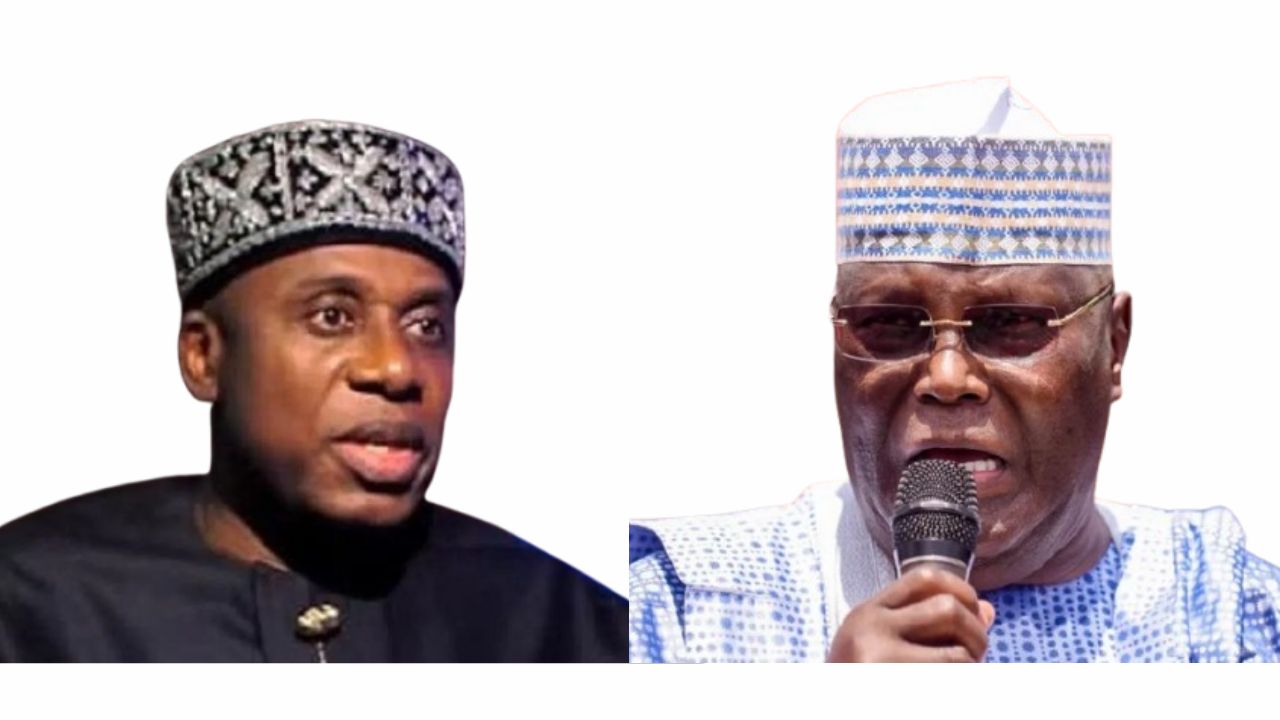
Atiku Abubakar and Rotimi Amaechi have moved to the African Democratic Congress (ADC) to revive their presidential ambitions for 2027. The former Vice President and the former Transport Minister both paid 90 million naira for nomination forms this week. Mohammed Hayatu-Deen joined them in the dash for the party ticket.
The price of entry is steep. A 90 million naira fee acts as a crude filter for serious intent. Hayatu-Deen used his collection of forms to highlight the current economic misery. He focused on the rising cost of living and the persistent fear of insecurity. These are the twin pillars of Nigerian grievance today.
The ADC has set a tight window for this initial stage. The sale of forms began on 6 May and ends on 13 May. This short timeframe forces aspirants to show their hand early. Bolaji Abdullahi, the party spokesman, confirmed that the three men have already secured their spots. Their presence gives the ADC a level of visibility it has lacked in previous cycles.
The electoral umpire has already laid out the path to the polls. The Independent National Electoral Commission (INEC) scheduled the presidential vote for 16 January 2027. Party primaries must conclude by late May 2026. This leaves little time for these new arrivals to build a grassroots base within the ADC. They are racing against a clock that favours the incumbents. Campaigns will not officially start until August 2026. Until then, the battle is largely internal and administrative.
The 2027 contest is shaping up to be a test of endurance. This early activity shows that the hunt for power never truly stops. The aspirants speak of security and jobs to win the public. For the three candidates, the 90 million naira is merely a down payment on a very uncertain future.