


HIV Cases Drop as Nigeria Rolls Out Injection
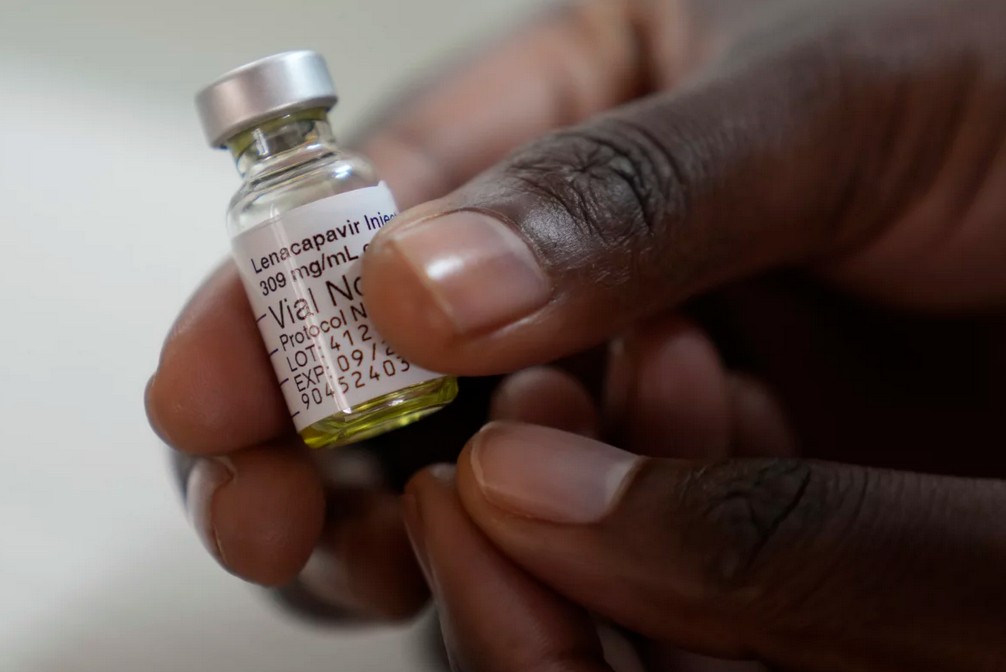
Nigeria is finally seeing a steady fall in new HIV infections. Data from the National Data Repository shows a clear downward trend during the first four months of 2026. Reported cases dropped from nearly 8,500 in January to roughly 6,400 by April. This shift arrives alongside the debut of Lenacapavir, a twice-yearly prevention shot that replaces the drudgery of daily pills. For a country with 1.9 million people living with the virus, this clinical efficiency is a necessary reprieve. The government is currently focusing on eight high-priority states to test how well the public accepts this new tool.
The logistics of the rollout remain modest but deliberate. Nigeria secured 52,000 doses for the first phase, though only a quarter of that stock has landed so far. Health officials are targeting states like Akwa Ibom, Kano, and Benue, where the burden of the disease is most felt. This pilot phase serves as a stress test for the national supply chain. It allows the Ministry of Health to monitor patient reactions before committing to a countrywide expansion. Success here depends on whether the government can move beyond these few hubs to reach the remaining 28 states.
Lenacapavir solves the oldest problem in HIV prevention: human forgetfulness. While oral pills work well, they require a level of daily discipline that many find difficult to maintain. Stigma also plays a role, as keeping a bottle of HIV medication can be a social risk in many communities. A single injection every six months offers a discreet and durable shield against infection. The World Health Organisation has backed the drug as the closest thing available to a functioning vaccine. It is a tool designed for people who live on the margins of the healthcare system.
The timing of the drug’s arrival in March coincided with the sharpest dip in recorded cases. This suggests that the mere presence of better options might be boosting health-seeking behaviour. However, the drop in numbers could also reflect shifts in testing patterns across the pilot states. Public health experts warn that while the early data is hopeful, it is too soon to declare victory. The challenge in Nigeria is always one of scale. Providing a high-tech injection to a few thousand people in the capital is easy, but reaching rural villages in Borno or Taraba is the real test.
Global health bodies are watching the Nigerian experiment closely. If a country with such a complex demographic can successfully switch to long-acting injectables, it sets a precedent for the rest of Africa. The Federal Ministry of Health views this as a vital step toward ending HIV as a public health threat by the end of the decade. They believe that sustained protection will naturally lead to lower transmission rates. Adherence is no longer just a patient responsibility but a function of better medical design.
The road to a nationwide rollout is still long and fraught with hurdles. Over 20 states are still waiting for their first shipments of the injectable. Until the programme moves past the pilot stage, the impact on the national infection rate will remain limited. Private sector involvement and international funding will likely dictate how fast the drug moves across the border. For now, the shrinking case numbers provide a rare moment of optimism for the country’s overstretched health workers. The goal is to turn a temporary decline into a permanent trend.