
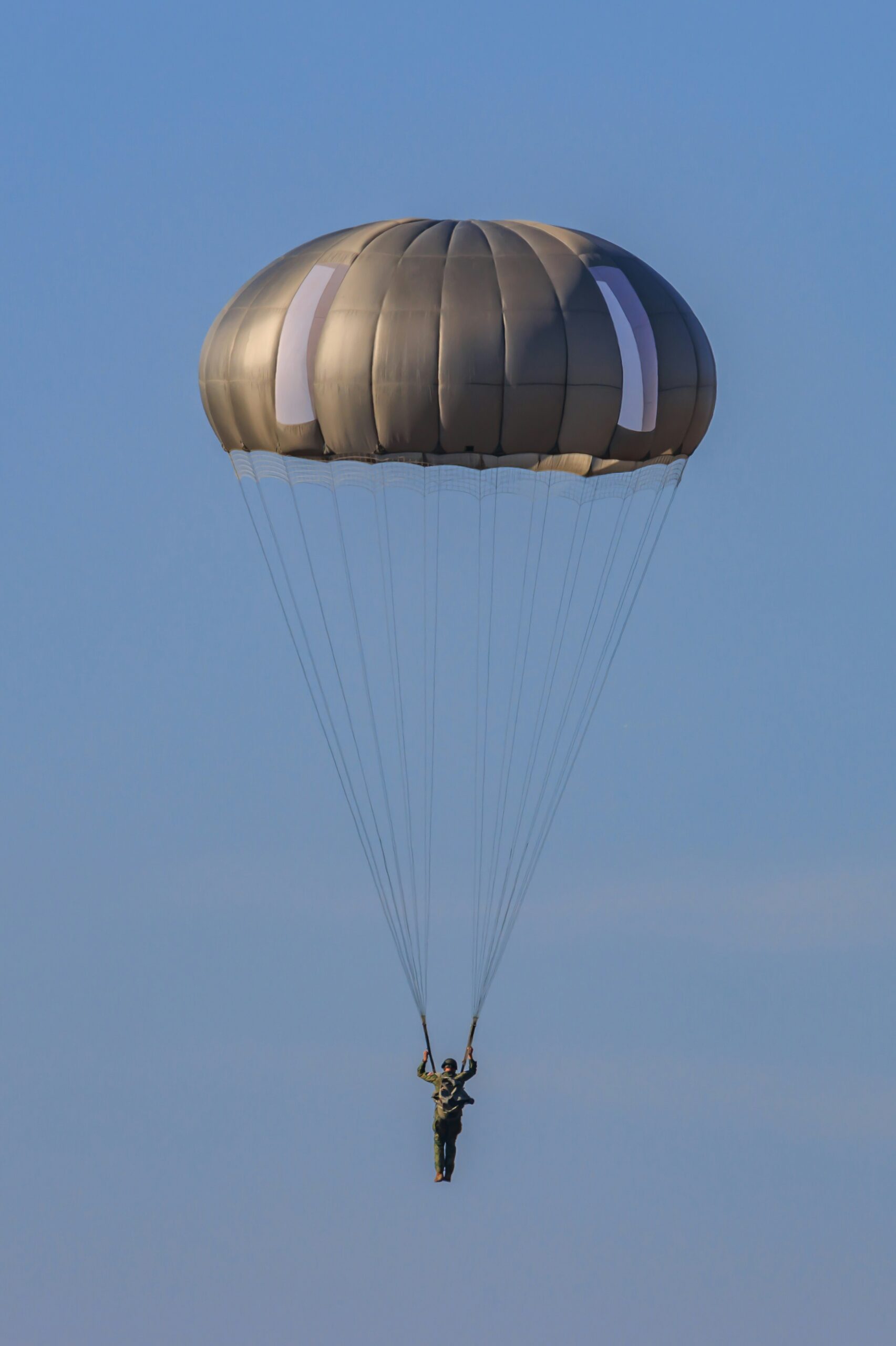
British paratroopers have dropped onto the world’s most remote inhabited island to treat a suspected case of hantavirus. This mission marks the first time the UK military has parachuted medical staff into a humanitarian crisis. The patient, a British resident of Tristan da Cunha, caught the virus while aboard the MV Hondius cruise ship. He disembarked in mid-April and began showing symptoms two weeks later. Because the island has no airstrip and only 221 residents, airlifting help was the only viable option.
The operation involved six paratroopers and two clinicians from the 16 Air Assault Brigade. They jumped from an RAF A400M into winds exceeding 25mph to land on the island’s only golf course. Along with the personnel, the aircraft dropped over three tonnes of medical supplies and oxygen. These supplies were at a critical level on the archipelago before the drop. Residents worked quickly to prepare the ground for the incoming soldiers. The patient remains in a stable condition while in strict isolation.
Hantavirus is usually a rodent-borne illness that rarely spreads between humans. However, the Andes strain identified on the Dutch cruise ship is a lethal exception. Three people have already died during this outbreak, which began nearly a month ago. The WHO confirmed six cases so far, with several others under close monitoring. Two other British nationals are receiving treatment in hospitals in South Africa and the Netherlands. The virus causes severe fever and respiratory distress, making quick medical intervention vital.
The MV Hondius has since arrived in Tenerife to allow over 100 passengers to disembark. Authorities will now repatriate these travellers, including 22 Britons. These returning passengers will not go straight home. Instead, they will face a 45-day isolation period at Arrowe Park Hospital in Merseyside. Health officials want to ensure no dormant cases trigger a domestic outbreak. Two other Britons are already self-isolating at home after leaving the ship at St Helena.
Logistically, Tristan da Cunha presents a nightmare for emergency services. It sits in the South Atlantic, thousands of miles from the nearest mainland. Boats are the only regular way to reach the territory, but they are too slow for medical emergencies. The Ministry of Defence described the jump as occurring under incredibly challenging circumstances. Armed Forces Minister Al Carns praised the composure of the team during the high-stakes descent. The UK government maintains that the safety of overseas territories is a primary duty.
While the mission is a feat of military precision, it highlights the risks of remote tourism. Cruise ships frequently visit isolated communities that lack the infrastructure to handle viral outbreaks. A single infected passenger can overwhelm the modest health resources of a small island. The UK Health Security Agency insists the risk to the general public remains very low. For now, the focus remains on containing the Andes strain before it spreads further. The paratroopers will stay on the island to support the two-person local medical team.