
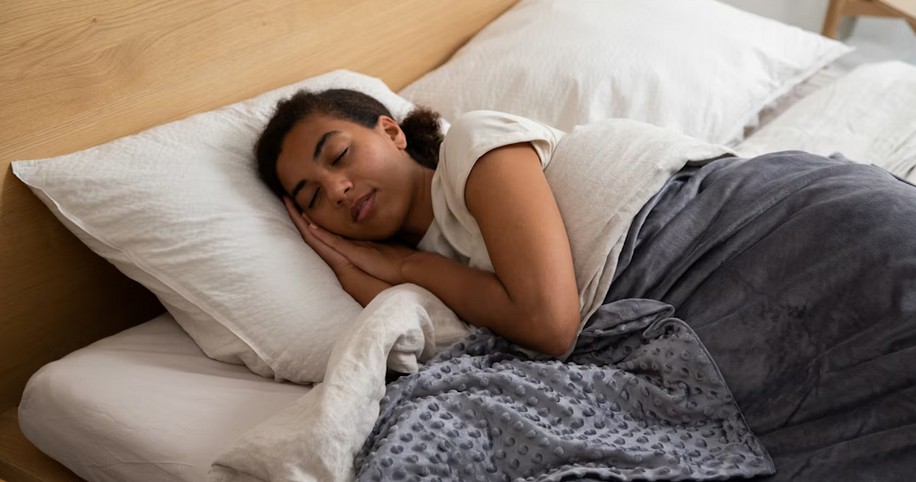
You wake up at 2 am. Your sheets are damp. Your heart is racing. You kick off the covers, then five minutes later, you are cold again. You lie there, exhausted, staring at the ceiling, knowing you have a full day ahead.
If this sounds familiar, you are not alone. Night sweats affect up to 75% of women going through perimenopause and menopause. They are one of the most disruptive symptoms of the hormonal transition, and they can quietly wreck your sleep, your mood, and your quality of life for months or even years.
The good news? You do not have to live with it. Several natural approaches can significantly reduce the frequency and intensity of night sweats. Here is what actually works.
Why Do Night Sweats Happen in the First Place?
Before jumping to solutions, it helps to understand the cause. Night sweats during menopause are essentially hot flashes that occur while you sleep. They occur because dropping estrogen levels disrupts your body’s internal thermostat, a region of the brain called the hypothalamus. When estrogen fluctuates, the hypothalamus becomes oversensitive to small changes in body temperature. It responds by triggering a heat-release response, which dilates blood vessels, raises your heart rate, and causes sweating. The result is that your body thinks it is overheating when it is not. And it works very hard to cool you down, whether you are awake or asleep.
Now that you know what is driving it, here is how to work with your body, naturally.
- Lower Your Bedroom Temperature
This is the simplest and most immediate change you can make. A cooler sleep environment gives your body less work to do. Set your bedroom thermostat between 15 and 19 degrees Celsius (60 to 67 degrees Fahrenheit). Use a fan to keep air circulating. Swap heavy duvets for lighter, breathable layers you can push aside during the night.
Look for bedding made from natural fibres like cotton, bamboo, or linen. These materials wick moisture away from the skin far better than synthetic fabrics. The same goes for your nightwear. Loose, lightweight cotton or moisture-wicking fabrics make a real difference. Some women find cooling mattress toppers or gel pillows helpful. They are a worthwhile investment if night sweats are severe and persistent.
- Watch What You Eat and Drink Before Bed
Certain foods and drinks act as triggers. They stimulate your nervous system or raise your core body temperature, which sets the hypothalamus off. The main culprits are alcohol, caffeine, spicy food, and large meals eaten close to bedtime. Alcohol in particular is a significant trigger. It causes blood vessels to dilate and disrupts sleep quality, making night sweats more intense.
Cut alcohol out entirely for two weeks and track whether your night sweats improve. Many women are surprised by the margin of difference this one change makes. Try to finish your last meal at least two to three hours before bed. A light, plant-rich dinner is ideal. Foods high in phytoestrogens, including soy, flaxseeds, lentils, and chickpeas, contain plant compounds that weakly mimic estrogen in the body. Research on their effectiveness is mixed, but some women report noticeable improvement with regular consumption.
Stay well hydrated throughout the day. Dehydration makes sweating episodes feel worse and makes it harder for your body to regulate temperature.
- Manage Stress Before You Lie Down
Stress and anxiety are powerful triggers for night sweats. When you are anxious, your sympathetic nervous system is activated. That raises your core body temperature and makes your hypothalamus even more reactive. Building a wind-down routine before bed is not optional; it is essential. Give yourself at least 30 to 45 minutes away from screens, work, and anything mentally stimulating before you sleep.
Try slow, deep breathing exercises. A simple method is box breathing: inhale for four counts, hold for four, exhale for four, hold for four. Repeat this for five minutes. It activates your parasympathetic nervous system and lowers your core temperature slightly before sleep.
Progressive muscle relaxation and guided body scans are also effective. Several free apps offer these practices. Used consistently, they reduce both the frequency and the intensity of night sweats.
- Exercise Regularly, But Time It Right
Regular aerobic exercise helps regulate body temperature over time and reduces overall hot flash frequency. Studies show that women who exercise consistently experience less severe menopausal symptoms than those who do not. Aim for at least 30 minutes of moderate activity, like brisk walking, swimming, or cycling, five days a week. Strength training twice a week supports bone density, which is important during and after menopause. The timing matters, though. Vigorous exercise raises core body temperature, so avoid intense workouts within three hours of bedtime. A gentle evening walk is fine. A high-intensity spin class at 9 pm is not.
- Consider These Evidence-Backed Supplements
Some natural supplements have clinical research supporting their use in reducing night sweats. Always talk to your doctor before adding anything new, especially if you take medication. Black cohosh is the most studied herbal remedy for menopausal symptoms. Some trials indicate it reduces hot flash frequency and severity, but results are not universal.
Magnesium glycinate supports sleep quality and nervous system regulation. Many women going through menopause are deficient in magnesium without knowing it. A nightly dose of 200 to 400mg may improve both sleep depth and the sweating episodes.
Sage has a traditional use for reducing sweating, and some small studies support this. Sage tea taken in the evening or a standardised sage supplement may help. Valerian root is primarily a sleep aid, but improved sleep quality means less disruption from night sweats overall.
- Keep a Trigger Diary
Not every woman has the same triggers. What sets off intense night sweats for one person may not affect another. Spend two weeks tracking your night sweats. Note what you ate, drank, and did that day. Note your stress levels and the duration you exercised. Patterns will emerge, and those patterns are more useful than any generic advice.
Once you identify your specific triggers, you can remove them systematically and measure the results.
When Natural Remedies Are Not Enough
Natural approaches work for many women, but not for everyone. If your night sweats are severe, happening multiple times a night, and disrupting your sleep despite consistent lifestyle changes, it is time to talk with your doctor.
Hormone Replacement Therapy (HRT) remains the most clinically effective treatment for menopausal night sweats. Non-hormonal prescription options are also available. There is no badge of honour in suffering unnecessarily when effective treatment exists.
Start with what you can control tonight: lower the room temperature, cut alcohol, and establish a wind-down routine. Small, consistent changes compound quickly. Most women begin to notice improvement within two to four weeks.