
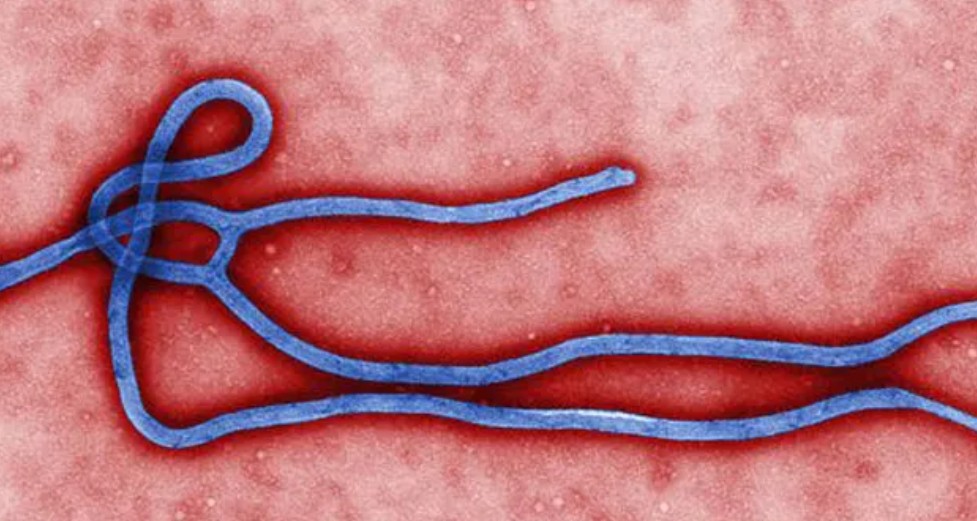
An Ebola outbreak in the Democratic Republic of Congo has killed at least 100 people and triggered a global health alert. The World Health Organization declared the crisis an international emergency after health workers tracked nearly 400 suspected cases. The virus has already crossed the border into Uganda, where officials confirmed two cases and one death. This flare-up involves the rare Bundibugyo strain. Scientists have not approved any drugs or vaccines to fight this specific variation.
The crisis has caught the attention of Washington after six Americans suffered exposure to the virus in eastern DR Congo. One American citizen already shows symptoms of the haemorrhagic fever, while three others had high-risk contact with infected patients. The United States Centers for Disease Control is now evacuating these citizens from the conflict-torn Ituri province. Medical logistics teams plan to fly the group to a secure isolation facility, potentially at an American military base in Germany.
Washington has reacted swiftly to block the virus from entering America. The State Department issued a level-four travel advisory warning citizens to avoid all travel to the DR Congo. Border officials will also restrict entry for non-American passport holders who visited Uganda, South Sudan, or the DR Congo within the last three weeks. Airlines must now share passenger data with health authorities to allow rapid contact tracing. The CDC insists the immediate risk to the American public remains low.
Read Also: WHO Declares International Emergency Over Congo Ebola Outbreak
The geographic focus of the outbreak raises severe challenges for containment teams. Eastern DR Congo suffers from persistent militia violence, which prevents doctors from tracking contacts safely. The World Health Organization warns that official figures likely understate the true scale of the infection. Nearby countries must quickly increase surveillance inside local clinics. Rwanda has already tightened health checks along its border, while Nigeria is monitoring arriving passengers.
Health officials are relying on basic hygiene measures to halt the spread because medical tools are missing. Safe burial practices are critical to stopping the chain of infection. Traditional funerals, where families wash the bodies of the dead, drove the catastrophic West African outbreak a decade ago. That epidemic infected over 28,000 people and killed more than 11,000 across multiple continents. Health workers must convince local communities to abandon these burial customs to avoid a repeat of that disaster.
The coming weeks will test Africa’s regional health defenses. Without a vaccine, containment relies entirely on swift isolation and disciplined border screening. The cross-border movement of traders makes total isolation nearly impossible. African governments must fund frontline clinics rather than waiting for international aid. If the Bundibugyo strain reaches major regional transport hubs, containing this outbreak will become a global struggle.