
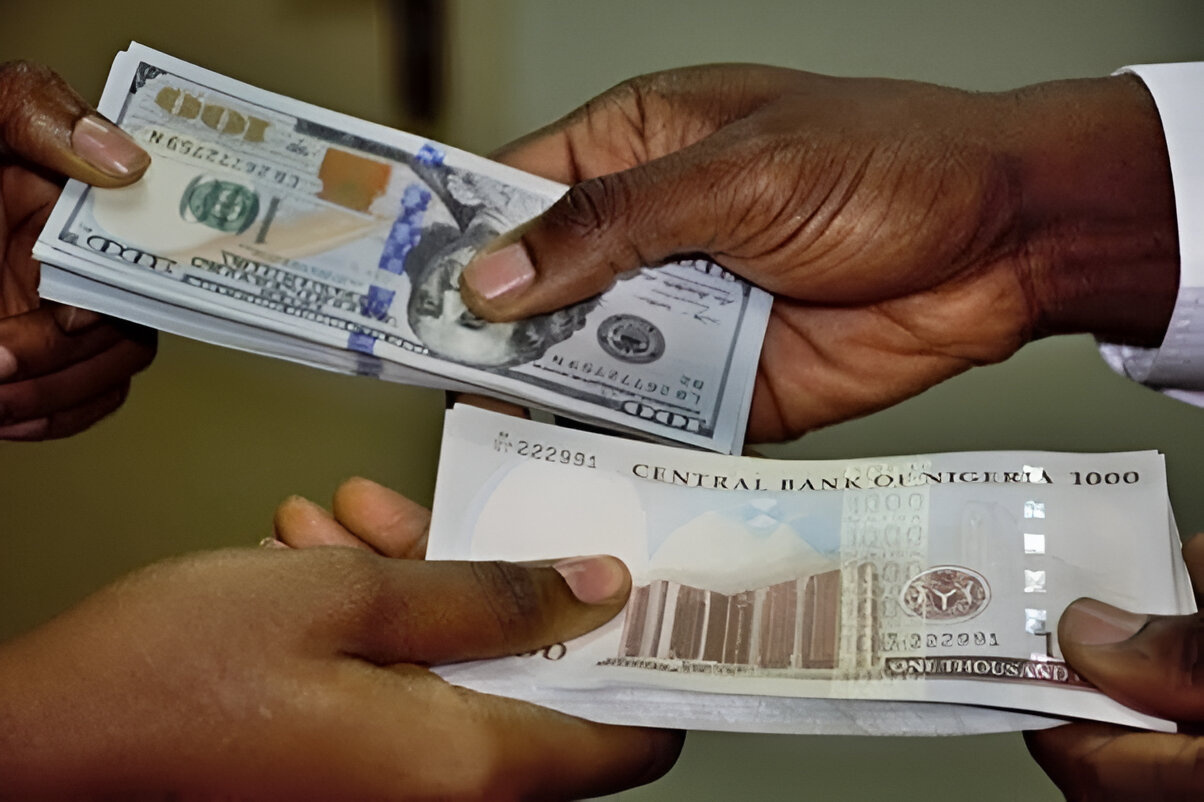
The Nigerian Naira held its steady momentum against the United States Dollar during early trading on Friday. The local currency demonstrated continued stability across both the official window and the informal parallel market segments. In the Nigerian Foreign Exchange Market, which handles formal trade, the Naira opened the morning session at 1,370.05 per Dollar. This rate matches the closing trends from the previous session, where daily averages hovered between 1,371 and 1,373.
Liquidity within the official window remained resilient throughout the morning transactions. Steady interbank turnovers and structured interventions by the Central Bank of Nigeria supported the market volume. These deliberate actions effectively managed transaction matching and minimised sharp morning volatility for corporate buyers. The absence of dramatic price swings has offered temporary relief to manufacturers requiring foreign currency for raw material imports.
Informal trading channels across major commercial hubs mirrored the calmness seen in the official sector. In Lagos, Abuja, and Kano, Bureau De Change operators quoted trading rates tightly bound around 1,370 Naira for buying and 1,372 Naira for selling. This near-total convergence between the street market and the formal spot price marks a rare economic milestone. It suggests a sustained reduction in the speculative premium that historically distorted the local foreign exchange ecosystem.
Financial analysts credit this equilibrium to a deliberate combination of moderated retail demand and aggressive monetary tightening. The Central Bank currently maintains its Monetary Policy Rate at a high of 26.5 per cent. This restrictive policy squeezes local liquidity, making it expensive for speculators to hold large dollar positions. The high-interest-rate environment continues to anchor the local currency by discouraging opportunistic attacks on the greenback.
The current stability provides a predictable boundary for local businesses planning their mid-year budgets. However, maintaining this convergence depends entirely on the central bank’s ability to supply foreign exchange consistently. Any future drop in crude oil receipts or foreign portfolio inflows could easily test this fragile market harmony. For now, the aggressive monetary stance keeps the volatile currency market under tight administrative control.