
Jimoh Ibrahim Becomes UN Budget Committee Chairman
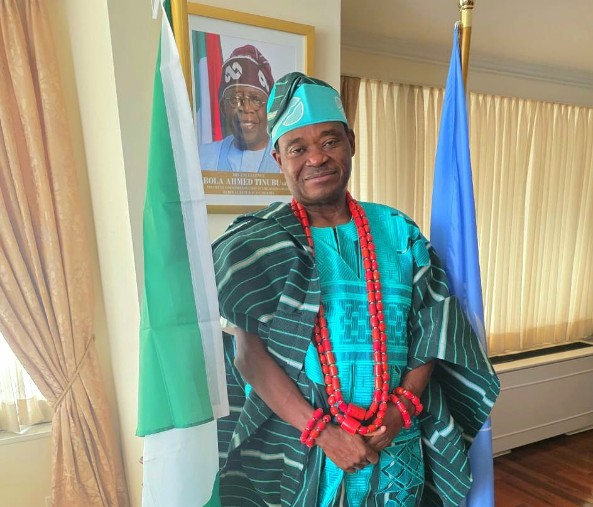
Nigeria’s Permanent Representative to the United Nations, Senator Jimoh Ibrahim, has secured the chairmanship of the global body’s Fifth Committee. The 193-member General Assembly elected Ibrahim to lead the influential group responsible for administration, human resources, and the budget. The appointment positions a Nigerian diplomat at the core of the financial management of the United Nations. He steps into the role during severe fiscal stress for the global institution.
The Fifth Committee dictates how the United Nations allocates its resources and implements its global programmes. Ibrahim takes control as delayed contributions from member states have left a budget deficit running into billions of dollars. The new chairman called on nations to meet their funding obligations quickly to ensure institutional stability. He noted that the sustainability of the organisation depends heavily on predictable and adequate funding. His mandate requires balancing deep structural reforms against expanding global demands.
Ibrahim promised to steer the committee away from purely transactional cost management toward better corporate governance. He emphasized that his leadership would focus on strategic resource management rather than simple cost-cutting exercises. The diplomat plans to use consensus-building to manage the heavy workload of the committee. He committed to working with all regional groups and the United Nations Secretariat to steady the fiscal position. His agenda also targets efficiency, institutional accountability, and stricter fiscal discipline.
The election marks a significant boost for diplomatic representation from Abuja on the global stage. Ibrahim recently presented his credentials to United Nations Secretary-General António Guterres and has since held talks with over forty foreign dignitaries. These meetings included discussions with senior American and German diplomats at the New York headquarters. Observers view the chairmanship as an opportunity for Africa to gain greater leverage within multilateral governance systems.
The new chairman plans to deploy his prior legislative experience to bridge political divides within the assembly. He previously handled budgetary and inter-parliamentary matters within Nigeria’s National Assembly. Ibrahim believes this background will help him forge agreements among member states with conflicting financial priorities. He stated that growing global tensions require a prompt and critical strategy to find opportunities in complex settings.
The appointment received strong backing from the presidency in Abuja. Ibrahim expressed gratitude to President Bola Tinubu, describing himself as a student of the president’s reform policies. He promised that these domestic reform principles would guide his management of the international body’s human and financial resources. His tenure begins as the United Nations faces unprecedented pressure to deliver measurable results amid shifting geopolitical realities.