
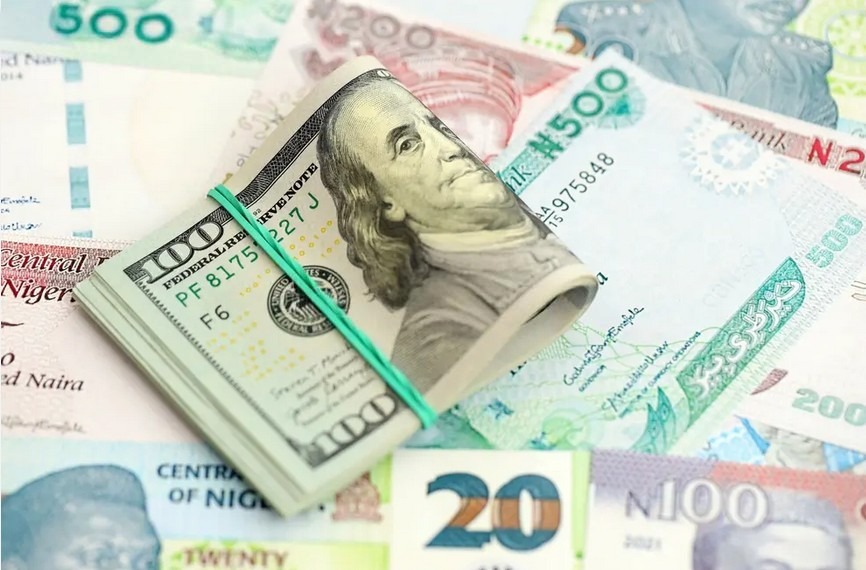
The Nigerian naira gained notable ground against the United States dollar on the parallel market to close at N1,385. Street traders in Lagos and Abuja quoted the rate following a sustained increase in dollar supply across major trading hubs. This appreciation represents a significant recovery from previous lows, where the local currency faced immense speculative pressure. Financial experts attribute the rally to aggressive monetary tightening measures by the Central Bank of Nigeria. The shift offers temporary relief to an economy heavily reliant on imported consumer goods.
The gap between the official and parallel market rates continues to shrink after months of volatile fluctuations. Traders reported a drop in panic buying as citizens and corporations slowed down their dollar accumulation. Speculative hoarders began offloading their foreign exchange reserves, fearing further losses as the naira gained strength. The Central Bank of Nigeria recently raised interest rates to make local currency assets more attractive to investors. These high yields have successfully drawn foreign portfolio capital back into the domestic financial markets.
Improved dollar liquidity from crude oil sales and diaspora remittances also helped to steady the local currency. Nigeria’s foreign exchange reserves rose slightly over the past month, giving the apex bank more firepower to defend the naira. Bureau de Change operators noted that retail demand for business and personal travel allowances has noticeably cooled. This drop in demand helped ease the liquidity squeeze that had plagued the informal market for over a year.
Higher interest rates have raised borrowing costs for local businesses, even as the currency strengthens. Manufacturers warn that expensive credit could slow down industrial productivity and hurt job creation. However, policymakers argue that stabilizing the currency remains the most urgent task to tame runaway inflation. Food inflation and transport costs remain stubbornly high, despite the recent gains made by the naira. The central bank must now balance its inflation-fighting goals against the risk of choking off economic growth.
The medium-term outlook for the naira depends heavily on sustained oil production and deeper fiscal discipline. Economic analysts believe that short-term monetary fixes must match structural reforms to create lasting stability. The government needs to boost non-oil exports to diversify its foreign exchange earnings away from crude oil sales. Investors remain cautious but optimistic that the current exchange rate policy will prevent a return to extreme volatility.