
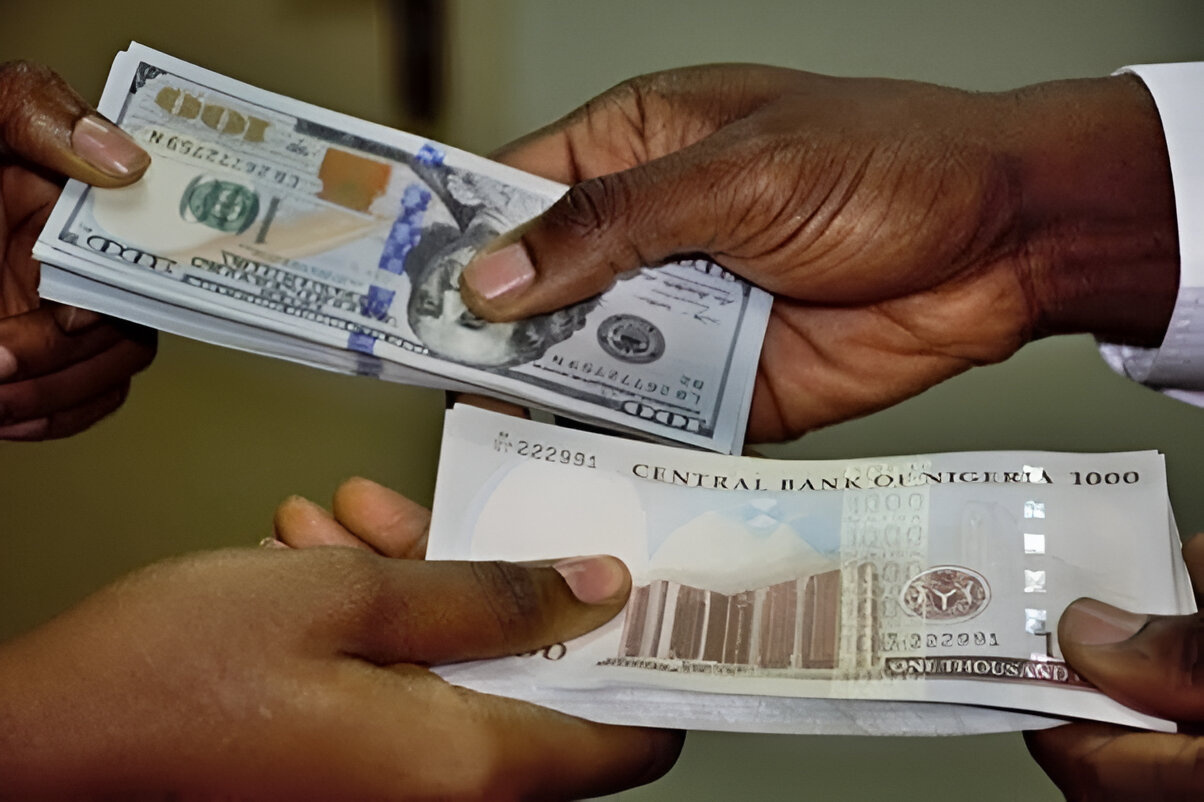
The Nigerian naira maintained a cautious equilibrium against the United States dollar on Tuesday, trading at ₦1,374 in the official market. This relative stability reflects a central bank determined to pin the currency within a narrow band, even as the broader economy chafes under dollar scarcity. While the official window saw trades fluctuate between ₦1,362 and ₦1,378, the figures suggest a market finding a temporary, if fragile, floor. Bureau de change operators in Lagos and Abuja offered slightly wider margins, with selling prices touching ₦1,400. This ₦26 spread between official and street rates remains narrow by historical standards.
Central bank interventions continue to prop up liquidity in the formal window to prevent the spread from widening. A moderate gap usually signals that the bank’s efforts to funnel demand through official channels are working. However, the parallel market still handles significant volume from those that the banks cannot serve. Importers and travellers often find the formal queue too long or the paperwork too dense. They pay the ₦1,400 premium for speed and certainty. This split reality defines the Nigerian forex experience.
Market sentiment remains guarded as businesses monitor the central bank’s reserves. Every cent of the country’s foreign holdings is currently under scrutiny by investors. If reserves dip, the naira’s current floor could quickly become its ceiling. Traders are not yet ready to bet on a long-term rally. They prefer to hold dollars where possible. This defensive posture keeps demand high and puts constant pressure on the local unit.
External factors add another layer of risk to the naira’s trajectory this week. Global crude oil prices dictate the flow of dollars into the nation’s coffers. If prices sag, the central bank has less ammunition to defend the currency. Monetary policy measures are also on the horizon. High interest rates have helped curb inflation, but have not yet sparked a massive influx of foreign investment. The naira needs more than just high rates to thrive.
The current stability is a reprieve, not a cure. Businesses need a predictable exchange rate to plan for the second half of the year. Frequent shifts in value make it nearly impossible to price goods accurately. For now, the ₦1,374 rate offers a moment of calm. Whether this calm lasts depends on the bank’s ability to keep the dollar taps open. The market is watching the reserve levels with intense focus.