
The federal government will cover the full cost of repatriating regular and irregular Nigerian citizens fleeing xenophobic violence in South Africa. The Ministry of Foreign Affairs announced the emergency financial waiver on Saturday night following a direct authorization from the presidency. The intervention removes all administrative fees that previously slowed down the evacuation process for thousands of vulnerable families. State officials have already deployed a high-level diplomatic task force to Pretoria to supervise the logistics and documentation process. This decisive intervention aims to secure the immediate safety of the diaspora before local anti-foreigner ultimatums expire.
The operational funding will cover emergency flight tickets, temporary transit accommodation, and immediate medical screening for all returnees. The government has partnered with Air Peace, a leading domestic airline, to deploy multiple commercial aircraft for the repatriation airlift. Officials estimate that the state will expend considerable financial resources to move the registered citizens back to Abuja and Lagos. Over 600 individuals have already concluded their initial documentation at the high commission and are waiting for deployment orders. This state-backed logistics plan mirrors previous successful airlifts executed during regional crises across North Africa and Eastern Europe.
A central part of the policy shift involves granting unconditional amnesty to undocumented migrants. South African immigration laws usually impose heavy financial penalties and long-term entry bans on foreigners with expired visas. The Nigerian foreign ministry successfully negotiated a temporary diplomatic waiver with Pretoria to bypass these strict statutory punishments. This concession allows thousands of citizens who lost their legal residency due to local bureaucratic backlogs to leave without facing arrest. Diplomatic handlers are working around the clock at the consulate in Johannesburg to issue emergency travel certificates to those who lost their passports.
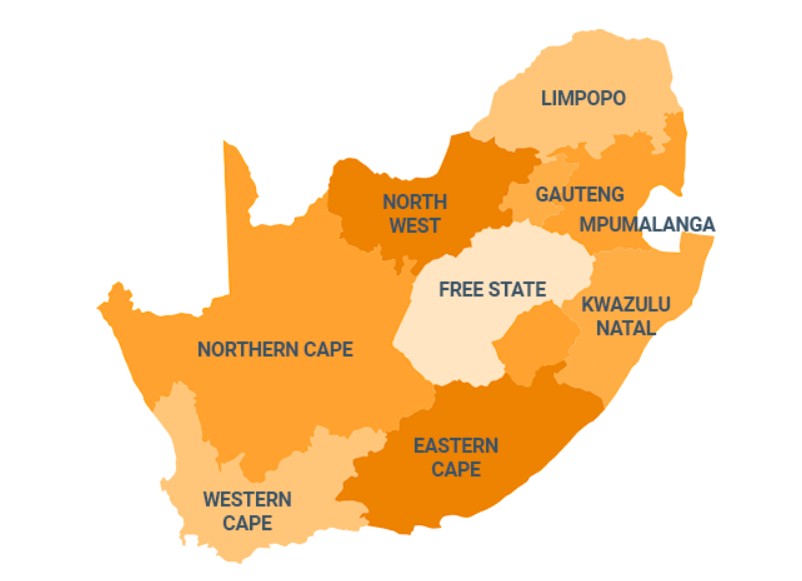
The domestic security situation in South Africa remains highly volatile as local vigilante groups step up their operations. Armed mobs have established illegal checkpoints in several industrial districts to search for foreign workers and lock up their shops. Local police units have struggled to contain the coordinated demonstrations, which have now spread from KwaZulu-Natal into Gauteng and the Western Cape provinces. The federal government has formally warned South African authorities that they must protect Nigerian properties and assets during the evacuation window. Despite these official assurances, many departing traders are abandoning their goods to prioritize their physical safety.
The National Emergency Management Agency is preparing comprehensive reception protocols to manage the influx of returnees at local airports. The agency will provide immediate settlement stipends, psychological counseling, and transport allowances to help individuals return to their home states. State governments are also setting up localized desk offices to integrate the returnees into regional agricultural and vocational programs. This multi-agency approach aims to prevent the socio-economic displacement that frequently occurs when large groups return abruptly without financial cushions. The first batch of evacuees is expected to land in Lagos by the middle of the week.