
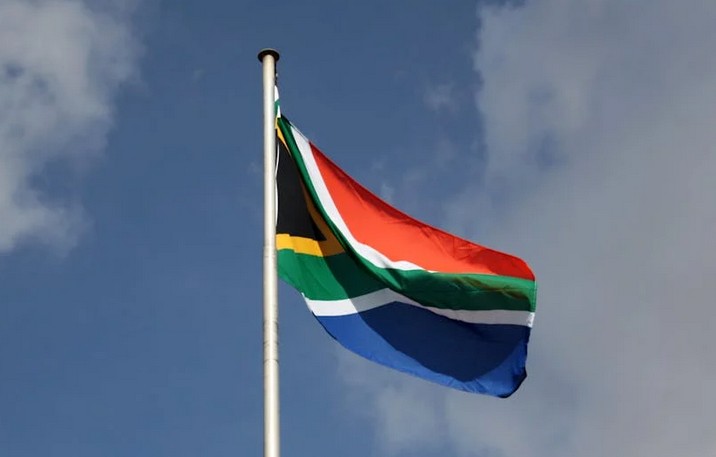
A group of 397 Nigerians are undergoing official screening in South Africa ahead of an emergency evacuation. The diplomatic exercise serves as a direct response to a surge in anti-foreigner campaigns across major South African cities. Officials began the documentation process on Thursday and intend to conclude the initial phase on Sunday. Three separate South African state departments are supervising the security and identity checks alongside Nigerian diplomats. The mass movement follows months of escalating street hostility and systematic threats targeted at West African migrants.
The current list represents only a fraction of the citizens looking for a way out. More than 600 Nigerians applied for immediate repatriation to escape the hostile economic and social climate. Reverend Frank Onyekwelu, who leads the Nigerian Citizens Association in South Africa, confirmed the clearance figures on Friday. Diplomatic staff must verify that those departing do not face active criminal prosecutions in host courts. Those cleared will form the first batch of an evacuation programme funded by the federal government.
A hard deadline set by local vigilante groups has accelerated the pace of the departures. Activists in KwaZulu-Natal recently issued a public ultimatum demanding that all irregular migrants vacate the province by June 30. The threat triggered panic and drove hundreds of families into temporary community shelters along the coast. Armed mobs have reportedly gone door to door in several neighbourhoods to enforce the self-styled eviction notice. Similar anti-foreigner demonstrations have disrupted commercial life in Johannesburg, Pretoria, Durban, and Cape Town.
Many of the departing citizens lost their legal residency status due to bureaucratic delays. The long-term suspension of permit renewals by host authorities turned thousands of legitimate workers into undocumented residents. South African officials have granted temporary administrative waivers to ensure these individuals face no immigration arrests during processing. The economic toll on the diaspora has been heavy, with many families losing shops and jobs. Bureaucrats in Abuja are still negotiating with regional airlines to fix an exact date for the first flight.
The current displacement represents a broader regional crisis rather than an isolated bilateral dispute. Other West African neighbours have already started removing their citizens from the path of the mobs. Ghana commenced emergency evacuation flights last week, while Mozambique recently used buses to repatriate over 500 vulnerable nationals. South African police chiefs claim they will prevent fringe groups from taking the law into their hands. The persistent recurrence of these violent cycles suggests that local law enforcement remains unable to guarantee basic security.