
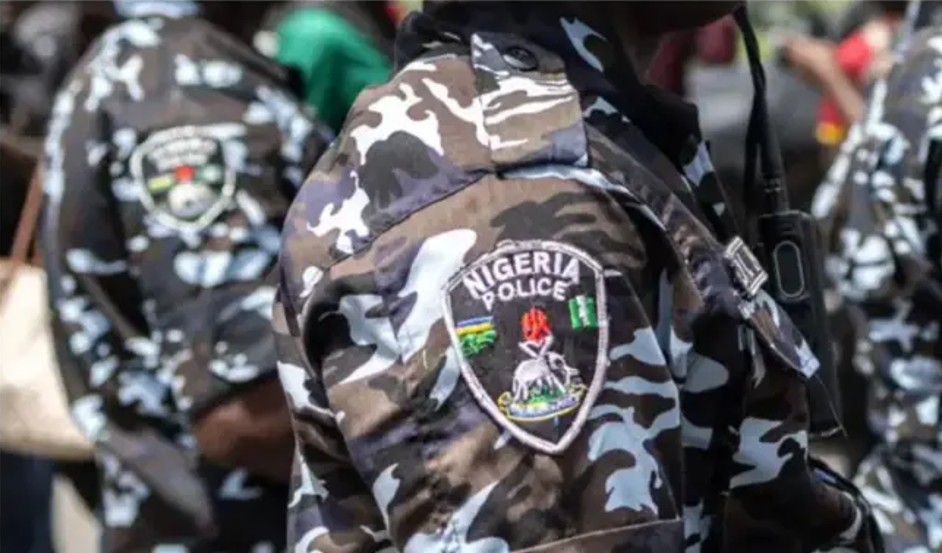
The Kaduna State Police Command seized 332 fake $100 bills, nine homemade firearms, a pump-action rifle, and two stolen vehicles in raids across the state on Wednesday, 2 September 2026. State Police Public Relations Officer Mansir Hassan told reporters in Kaduna that coordinated operations by patrol teams and tactical squads broke several criminal rings. The haul uncovered $33,200 in fake paper cash, showing how currency counterfeiters now exploit the national scramble for foreign exchange. Rural bandits, car-snatching cartels, and financial con artists increasingly work together across the north-west. Cheap homemade guns support high-stakes urban robberies. Counterfeit cash travels beside illegal guns. Criminal enterprises in Nigeria have linked physical highway attacks to sophisticated commercial fraud. The underworld adapts faster than the state can write fresh laws.
Officers made the major currency bust after receiving a tip from an alert trader in central Kaduna. An operative in the network tried to buy local goods using the fake dollar bills to get clean naira notes. Fraud rings target retail merchants who lack the simple ultraviolet lamps needed to spot counterfeit paper. High domestic inflation makes ordinary shopkeepers eager to accept foreign currency without basic checks. The police arrested the carrier on the spot and tracked his supply routes back to an illegal printing shop in a neighbouring state. Counterfeit dollars spread easily through informal border markets where cash trades without records. Street traders bear the brunt of these fake notes. Desperation blinds market stalls to obvious paper flaws.
A separate gun battle broke out on 31 August in Kidandan, inside the Giwa local government area, after villagers reported armed men harassing local farmers. Police teams, backing the Police Mobile Force and the Kaduna Vigilance Service, moved into the farm corridors to engage the gang. The bandits opened fire on the patrol line before running into deep bush paths after taking heavy fire. The fleeing outlaws left behind a working pump-action rifle, two live shotgun cartridges, and a getaway motorcycle. Kidandan sits along a dangerous transit corridor that links rural agrarian settlements to dense forest camps in Birnin Gwari. The raid saved the local harvest from another round of illegal levy collections. Rural safety demands continuous ground patrols rather than sudden, reactive sweeps.
In the state capital, detectives broke up an organised car-theft ring at the Panteka scrap market in Kurmin Mashi on 2 September. Operatives arrested Hashiru Ibrahim, Mohammed Ibrahim, and Umar Hassan while they were trying to sell a stolen black sports utility vehicle. The vehicle, worth about N70 million in open showrooms, had an asking price of just N4 million. The suspects had already started stripping down the body panels to sell the car as spare parts before buyers raised alarms. Thieves use auto scrap yards to dismantle luxury cars within hours of highway robberies. Stolen engines and transmission sets enter the informal spare parts trade without leaving an audit trail. High discounts signal stolen goods to any honest trader.
The recovery of nine homemade firearms in rural communities highlights the booming cottage weapons industry in northern Nigeria. Blacksmiths in rural villages turn scrap iron, water pipes, and truck springs into cheap pistols and single-shot hunting pieces. While crude, these weapons fire standard commercial shotgun rounds and kill effectively at close range. Kidnap gangs and cattle rustlers buy these local weapons when military assault rifles become scarce or too costly. The spread of cheap guns turns minor border quarrels between farmers and pastoralists into lethal shootouts. Security forces struggle to control village ironworkers who operate away from main municipal roads. Cheap craft weapons fuel regional gang wars. Disarmament programmes fail when iron pipes make deadly guns.
The string of arrests proves that prompt tips from community members remain the best weapon against organized street crime. The state command acknowledged that tip-offs from ordinary citizens helped track the fake dollars and the stolen vehicle at Panteka. Yet civilian tipsters face serious risks when they report neighborhood thugs to corrupt local station officers. Informants often find their names leaked to criminal suspects, leading to swift reprisals once suspects secure cheap police bail. The police leadership must protect community tipsters through anonymous reporting desks and secure phone tip lines. Grassroots intelligence dries up the moment citizens lose faith in station integrity. Public trust remains fragile across northern police commands.
The police command must follow these arrests with solid court cases rather than stage-managed public parades. State prosecutors routinely botch weapons cases by misplacing evidence bags or filing clumsy charge sheets in magistrate courts. Commercial lenders and foreign exchange regulators must also launch public campaigns to teach small retail markets how to verify foreign banknotes. The central bank should place free currency validation devices in bustling commodity markets across the north. Subnational authorities need to license and inspect scrap yards at Panteka to stop the sale of chopped car parts. If scrap dealers continue to buy stolen cars without state penalties, car thieves will return to the streets within weeks. Arrests make fine headlines in morning papers. Convictions alone will clear the roads.