
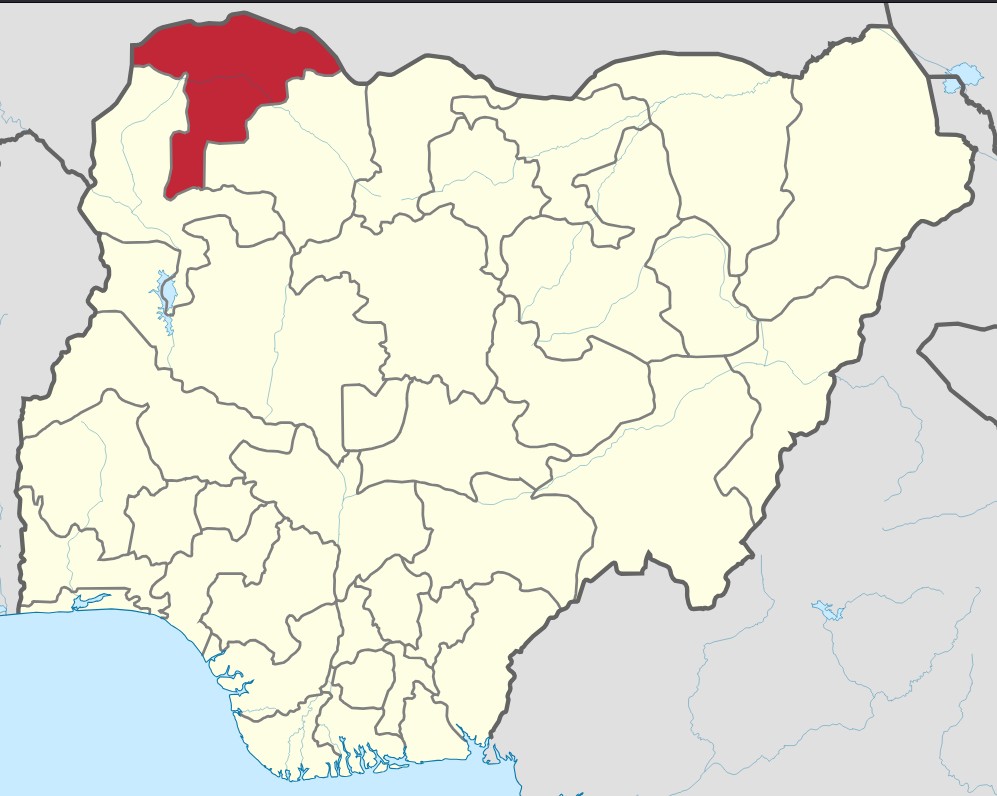
Armed bandits stormed Gorau village in the Goronyo Local Government Area of Sokoto State, killing four residents and abducting four others during an early morning raid on Wednesday, 26 August 2026. Seven other villagers sustained severe gunshot wounds and are currently receiving emergency treatment in hospital. The attackers rode into the agrarian community on motorcycles, firing indiscriminately at fleeing residents before ransacking homes and seizing captives. The violence compounds immense communal grief in Gorau, arriving just days after an overloaded wooden ferry capsized at the village river crossing, drowning 65 passengers. Local farming and fishing activities have ground to a complete halt as panic sweeps the fertile Rima River basin. The ease with which outlaws strike exposes the extreme fragility of rural security across north-western Nigeria. State protection remains completely absent where citizens need it most.
The tragedy in Gorau demonstrates how multiple disasters can swiftly overwhelm vulnerable rural communities. The village had barely begun burying scores of women and children lost in the river crossing accident before gunmen struck their mourning homes. That dual blow has shattered the social fabric of an already impoverished agrarian settlement. Families that lost breadwinners to deep river currents must now scramble to raise cash for hospital bills and impending kidnap ransoms. When rural folk face both state administrative neglect and armed violence, basic survival becomes impossible. The state government offers condolences while failing to provide basic river safety regulations or rural patrols. Tears cannot rebuild broken riverbank hamlets.
The geography of eastern Sokoto provides criminal syndicates with expansive forest corridors to stage surprise raids and withdraw with absolute impunity. Vast woodlands stretching across Goronyo, Sabon Birni, and Isa local councils connect seamlessly into lawless forest redoubts in neighbouring Zamfara and Katsina states. Bandits exploit these unpoliced forest tracks to strike isolated villages before disappearing back into dense thickets. Conventional military formations remain concentrated around urban barracks and major highways, leaving farming settlements entirely unprotected. By the time military patrol teams receive distress calls and navigate broken dirt roads, the raiders have already secured their captives deep in the bush. Static garrison deployments cannot contain highly mobile jungle outlaws.
The persistence of rural raids strikes a direct blow against national food security across one of the country’s primary grain belts. Gorau and its surrounding riverine communities produce massive quantities of rice, onions, millet, and freshwater fish for urban wholesale markets. Peasant farmers now routinely abandon their fertile floodplains during peak cultivation seasons out of sheer terror. Outlaws force rural cultivators to pay illegal protection levies before granting them access to their own family fields. Those who fail to meet extortion demands face instant execution or violent abduction during routine farm work. The resulting agricultural shortfall fuels galloping food inflation across distant southern consumer markets. Insecurity in the savannah starves dinner tables across the entire republic.
Local vigilante networks and community guards bear the primary burden of village defence without adequate weapons or institutional support. These local volunteers possess deep knowledge of the bush paths but carry obsolete single-barrel hunting guns against automatic military rifles. Criminal gangs deliberately target vigilante commanders to eliminate organised local resistance before launching full-scale village raids. Community members spend their meagre crop savings to purchase ammunition cartridges and motorcycle fuel for night patrols. State authorities frequently praise local vigilante courage in press releases while denying them formal legal backing and communication equipment. Barefoot local hunters cannot hold back heavily armed cartels indefinitely. Grassroots defence requires formal institutional integration and proper equipment.
The kidnapping of four additional villagers points to the booming kidnap-for-ransom economy that sustains bandit syndicates across the North-West. Forest gangs treat rural hostage-taking as a low-risk commercial enterprise to fund ammunition purchases and motorcycle fleets. Distraught rural families often sell their remaining livestock, farmlands, and food stores to pay ransoms to shadowy intermediaries. This steady extraction of rural capital reduces agrarian communities to absolute destitution within months. Financial intelligence desks have largely failed to trace the cash networks and mobile money agents that service these forest gangs. Without cutting the financial flows that reward kidnapping, military sweeps accomplish very little. The state must starve the bandits of ransom cash.
The government must fundamentally overhaul its rural security doctrine by deploying permanent forward operating bases inside vulnerable farming belts. Military authorities cannot police remote river valleys through occasional show-of-force patrols on distant tarmac roads. Defence planners must equip specialised light cavalry units capable of pursuing outlaws through rugged terrain on motorbikes. Regional governors must also coordinate joint security operations to seal the porous border corridors that connect Sokoto to neighbouring sub-Saharan states. Reclaiming the countryside requires unyielding military resolve, intelligence gathering, and honest administrative commitment. If the state fails to secure its rural communities, citizens will inevitably seek justice through private vengeance. True national sovereignty begins with securing the most vulnerable village.