
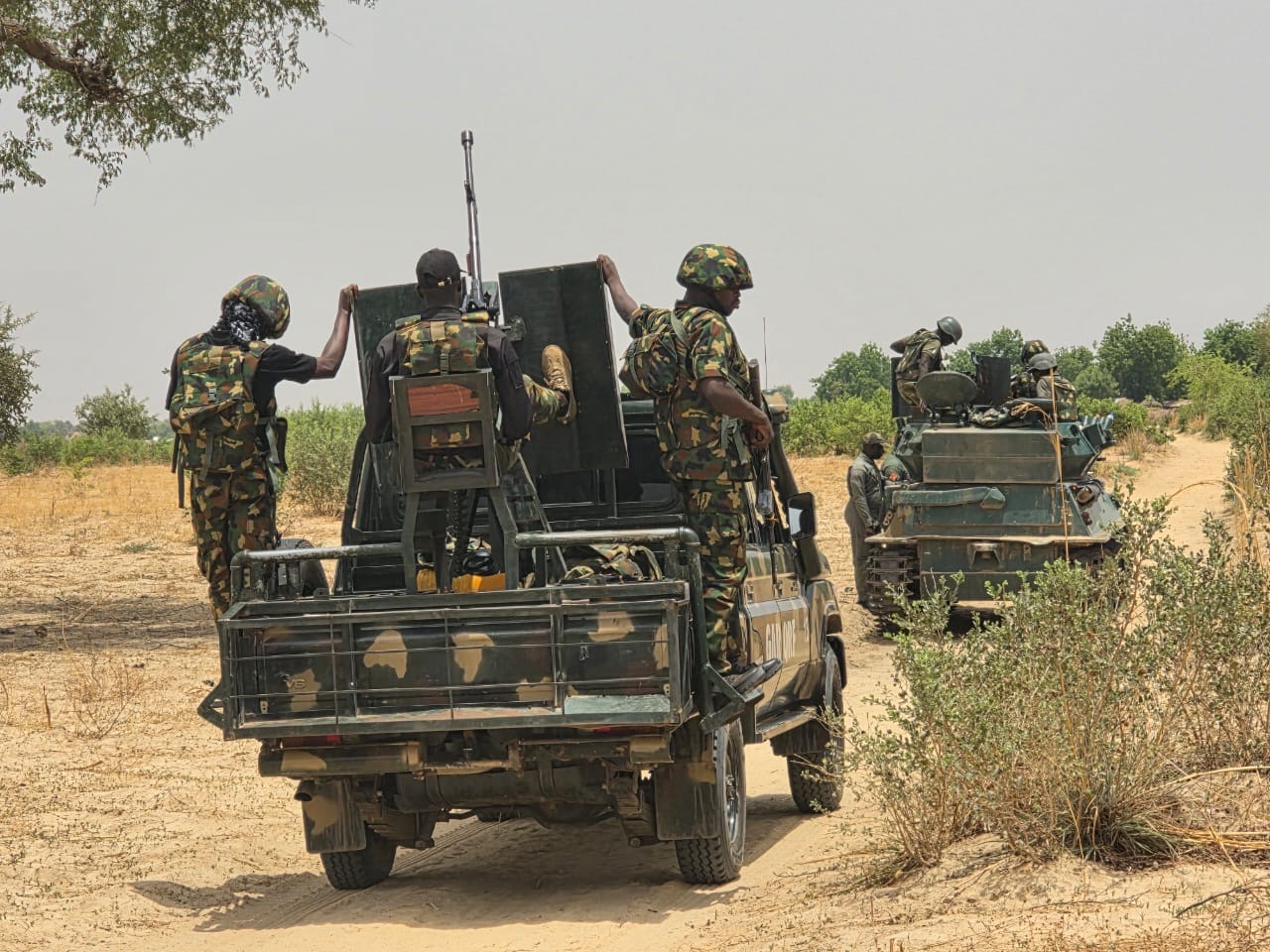
Nigerian security forces struck separatist hideouts in Ogbaru Local Government Area of Anambra State on Saturday, 22 August 2026. The joint contingent brought together soldiers from Operation UDO KA, naval personnel from the maritime component, intelligence officers from the Department of State Services, and local vigilantes. Their early morning raid focused on camps in Obene and Abator, two riverine settlements within the Ochuche and Umunankwo communities. The fighters of the Indigenous People of Biafra and its armed wing, the Eastern Security Network, opened fire before fleeing into the dense bush. Troops returned fire and killed at least one gunman during the pursuit while the retreating fighters dragged away the corpse of another comrade. Security forces recovered two pump-action shotguns, two motorcycles, components for making improvised explosive devices, and sundry logistical items. The military aims to choke the group’s bomb-making capacity in the state’s southern waterways. This riverine assault exposes the persistent rot along the Niger basin.
The geography of Ogbaru offers armed groups an easy escape route into neighbouring Delta and Imo states. Separatist fighters have long exploited these creek-lined borders to evade conventional army sweeps. They set up makeshift barracks under thick forest canopies to launch ambushes on highways and police posts. Saturday’s coordinated dawn raid caught the militants unprepared and shattered their tactical sanctuary. Soldiers tracked the fleeing fighters by following fresh blood trails through the swamps. The seizure of explosive precursors strikes a severe blow against the group’s urban bombing units. Without these riverside hideouts, the militants lose a critical hub for weapons storage and coordination. Sustained river patrols must now stop the fighters from returning once the soldiers withdraw.
This operation follows a string of similar army sweeps across the south-eastern theatre over the past fortnight. Troops of the newly formed 15 Brigade had smashed three separatist camps in other sections of Anambra only days earlier. Those earlier raids yielded caches of dynamite, automatic rifles, and operational vehicles. The high command in Enugu continues to squeeze the insurgents through relentless logistical strangulation. In nearby Imo State, military pressure recently forced a commander named Comedy to surrender his arms cache to the state amnesty committee. That surrender handed over assault rifles, magazines, and dozens of live rounds to the 34 Artillery Brigade. The steady loss of heavy weapons signals growing fractures within the separatist command. The military now presses its firepower to drive those divisions deeper.
Local vigilantes proved indispensable during the weekend push into the marshlands. These community hunters know every hidden trail and creek far better than soldiers deployed from northern garrisons. Their field intelligence gave the military task force the precise coordinates of the camps in Ochuche and Umunankwo. Such civil-military collaboration marks a shift from earlier operations that relied solely on heavy troop movements. However, local fighters face deadly reprisals from separatist remnants whenever regular troops pack up and leave. State authorities must provide long-term protection for these community guards. Reclaiming physical territory means little if armed cells return to terrorise unprotected villages weeks later. Permanent security outposts remain the only credible remedy for this cycle of violence.
The economic fallout of this insurgency continues to drain the commercial vitality of the South-East. For years, sit-at-home decrees and violent extortions crippled open-air markets and transport corridors from Onitsha to Nnewi. Traders routinely avoid rural supply roads for fear of ambush by rogue cells. The manufacture of homemade bombs in rural sanctuaries added a terrifying dimension to everyday travel. Clearing the Ogbaru waterways helps restore essential cargo movement along the River Niger. Farmers can slowly return to neglected cassava and yam fields without the immediate threat of abduction. Yet restoring investor confidence will take far more than sporadic gun battles. The federal government must pair armed sweeps with visible infrastructure renewal.
Dislodging armed men from muddy camps addresses only the sharpest symptoms of a deeper political crisis. Decades of economic neglect, youth unemployment, and mutual distrust fuel the rank and file of the separatist movement. Young recruits fill the void left by dead commanders because lawful economic options remain scarce. Military brass often proclaim the total defeat of the insurgents after every successful camp clearance. Yet the root causes of the rebellion survive in neglected hamlets across the five eastern states. Abuja continues to lean on guns and armoured vehicles to silence political grievances. Coercion can clear a forest hideout, but it cannot build lasting civic peace. A serious political settlement must follow these battlefield victories.
The Joint Task Force must now prevent the scattered remnants from regrouping in adjacent local councils. Fleeing fighters often regroup in Ihiala, Orsu, or across the river in Ndokwa to plan revenge strikes against soft targets. Military planners need to keep up maritime patrols along the creeks to cut off clandestine fuel and food supplies. The Directorate of State Services must also track the regional smuggling rings that funnel ammunition and detonators into the Niger Delta fringes. Cutting the financial pipeline of separatist networks matters just as much as destroying their camps. If authorities starve the fighters of cash and bullets, the entire insurgency will collapse from within. Security chiefs cannot afford to ease up now. The battle for the South-East demands unyielding vigilance.