
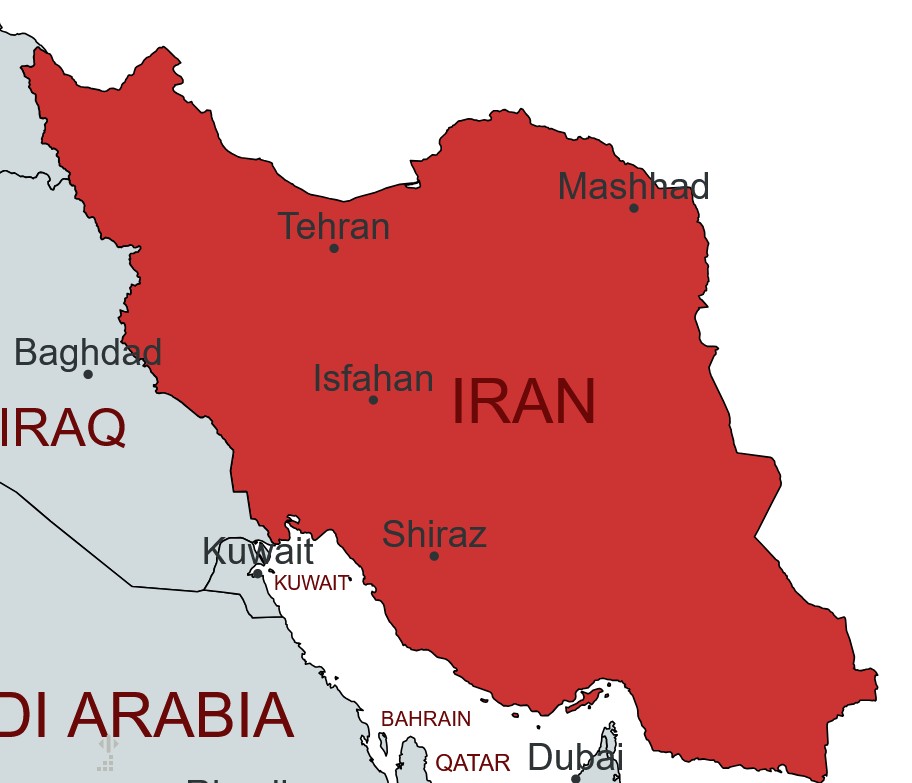
Iran and Israel have halted direct military strikes against each other’s territories following hours of a dramatic exchange of firepower that threatened to spark an all-out regional war. Both nations announced the sudden suspension of hostilities on Monday afternoon after United States President Donald Trump issued an urgent appeal for an immediate end to the violence. The brief but intense conflict completely shattered a fragile, pre-existing ceasefire and sent shockwaves through international energy markets. Iranian authorities first declared a pause in their operations, prompting an immediate reciprocal declaration from West Jerusalem. The swift de-escalation prevents an imminent collapse of ongoing peace negotiations in the region.
Israeli Prime Minister Benjamin Netanyahu confirmed that his military has put its fire on hold for the time being. However, the prime minister delivered a stern televised warning that Israel will not hesitate to respond with maximum force should Tehran resume its aggression. The Israeli political executive instructed the military command to halt preparations for subsequent waves of airstrikes following direct diplomatic intervention from Washington. This cautious pause reflects intense pressure from the United States, which remains the primary weapons supplier and strategic ally of the Jewish state. Israeli defense teams remain on high operational alert along all active national frontiers.
The Iranian top military command issued a matching conditional declaration through its Khatam al-Anbiya central headquarters. Tehran stated that its forces have ceased offensive actions but warned that any future Israeli provocations will trigger a crushing response. The Islamic Republic specifically cautioned that continued Israeli ground and air operations in southern Lebanon will violate the terms of the suspension. Iranian commanders asserted that their overnight missile salvos were intended as a final warning to deter further allied incursions. The regime maintains that its military apparatus is fully prepared to launch broader retaliatory measures if local red lines are further infringed.
The brief escalation began late Sunday when Iran fired a heavy barrage of ballistic missiles into northern Israel and parts of the West Bank. Tehran claimed the bombardment was a direct retaliation for fatal Israeli airstrikes that killed at least two people in Beirut’s Dahieh district. Israel responded by launching fighter jets to bomb multiple high-value targets across major Iranian cities, including Tehran, Tabriz, and Isfahan. Concurrently, Iran-allied Houthi rebels in Yemen entered the fray by launching drones at southern Israeli ports and threatening Red Sea shipping lanes. The rapid sequence of events briefly pushed global Brent crude prices up by more than four per cent.
The sudden breakdown in security exposes the deep instability of the broader diplomatic framework designed to manage the West Asian conflict. The Revolutionary Guard Corps openly accused the United States and Israel of repeatedly violating maritime agreements by attacking Iranian vessels in the Strait of Hormuz. International mediators argue that the omission of Lebanese theater operations from the original US-Iran ceasefire created an unsustainable structural loophole. President Trump has insisted that his administration dictates the overarching terms of how the war should be prosecuted by the allied forces. Washington continues to hold the Strait of Hormuz blockade as leverage to force a permanent settlement.
The survival of the current suspension rests on whether field commanders can successfully restrain local proxy networks along the Lebanese border. Previous historical pauses have routinely collapsed within days due to unauthorized rocket fire and uncoordinated border skirmishes. International diplomatic teams are rushing to transform this shaky bilateral halt into a comprehensive, written regional treaty. For global economic markets, the temporary cessation of missile exchanges brings a vital measure of relief to strained supply chains. The coming days will determine whether this forced presidential intervention can deliver genuine stability or merely delay the next inevitable clash.