
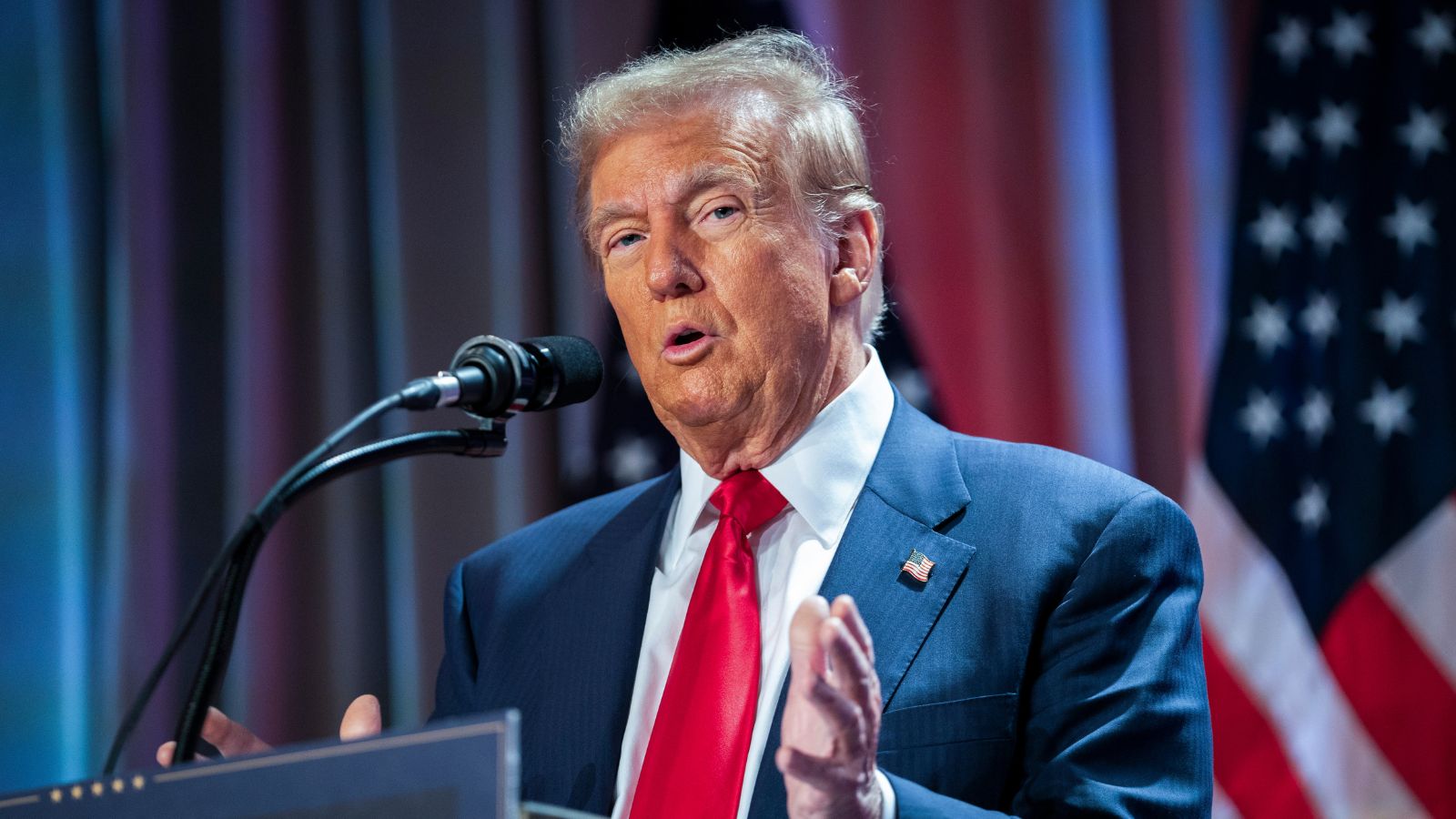
Donald Trump has dismissed Iran’s latest peace proposal as “totally unacceptable,” pushing the Middle East back toward open warfare. Writing on his Truth Social platform, the US president gave no specifics about the counteroffer but made his disdain clear. This rejection follows weeks of Pakistani-mediated talks aimed at ending the war that began on 28 February. The impasse suggests that neither Washington nor Tehran is ready to blink.
Benjamin Netanyahu has added his own set of non-negotiable demands to the pile. The Israeli prime minister insists that the war will only end when Iran’s enriched uranium leaves the country and its nuclear sites are leveled. While Mr Trump claims the US can remove the material whenever it likes, Mr Netanyahu wants a more permanent dismantling of the Iranian nuclear programme. The two leaders appear united in their refusal to accept anything less than a full strategic retreat from Tehran.
The Iranian response reportedly suggested diluting some highly enriched uranium and moving the rest to a third country. However, Tehran demanded guarantees that the material would be returned if the United States abandoned any future deal. Memories of the previous US exit from the nuclear pact clearly haunt the current negotiations. To the White House, these conditions look like a stalling tactic rather than a genuine peace overture.
On the water, the situation is becoming increasingly volatile. Iran warns that it will not tolerate foreign warships in the Strait of Hormuz, claiming sole authority over the vital waterway. This remains a major sticking point as a fifth of the world’s oil passes through this narrow choke point. While France suggests its naval presence would be “coordinated” with Iran, Tehran views any international coalition as an illegal interference.
The ceasefire is already fraying under a rain of drones. The United Arab Emirates and Kuwait reported intercepting several unmanned aerial vehicles launched from Iranian territory on Sunday. A US-flagged freighter was also reportedly struck near the Qatari coast. Iran’s parliament has now declared that its period of restraint is over. Any further strikes on Iranian vessels will trigger direct attacks on American bases and ships.
Economic pressure is the next lever in the American playbook. Mr Trump plans to press President Xi Jinping of China to stop buying Iranian oil during a visit to Beijing this week. By squeezing Tehran’s primary source of cash, Washington hopes to force a surrender that diplomacy has failed to win. The strategy relies on China’s willingness to cooperate with a president who has spent years railing against its trade practices.
Inside Tehran, the military posture is hardening. The Iranian military chief recently met with Supreme Leader Mojtaba Khamenei to receive new directives for “confronting the enemy.” President Masoud Pezeshkian has publicly stated that dialogue does not mean surrender. With both sides now digging in, the diplomatic window opened by Pakistani mediators appears to be slamming shut.