
The Edo State Government has confirmed that 15 people have died from Lassa fever following a sharp spike in local transmission across multiple communities. Dr. Stephenson Ojeifo, the Director of Public Health at the State Ministry of Health, announced the mortality figures in Benin during a comprehensive public health briefing. Ojeifo revealed that surveillance teams have documented over 1,000 suspected cases within the state, with 103 individuals testing positive for the acute viral hemorrhagic illness. The administration has activated its emergency response mechanisms to curb the further spread of the virus.
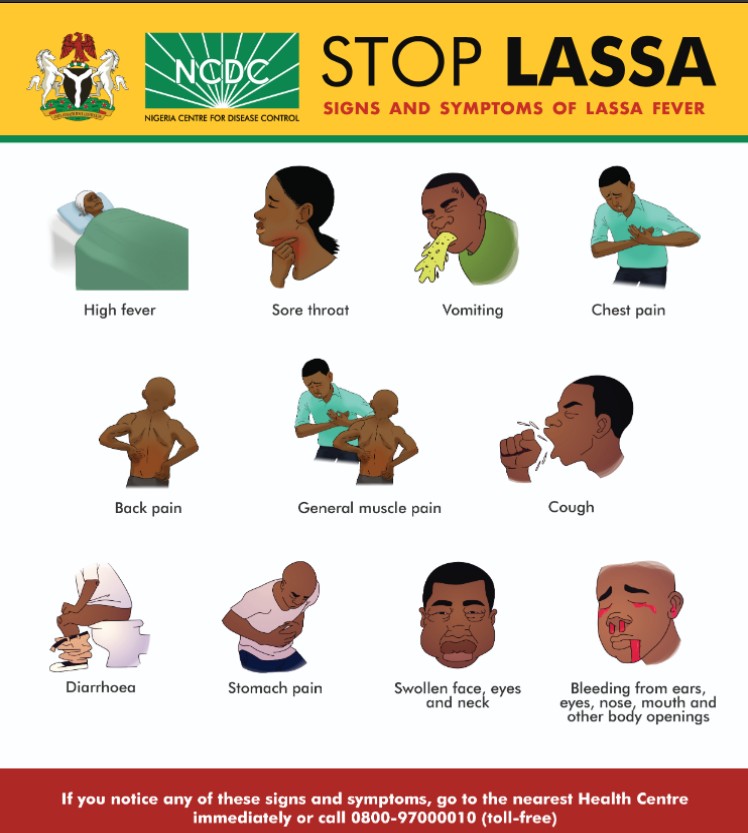
The Ministry of Health attributed the high case fatality rate to the persistent problem of late patient presentation at designated treatment centers. Epidemiological tracking shows that many victims are only brought to the Irrua Specialist Teaching Hospital (ISTH) after their conditions have already severely deteriorated. Public health officials stressed that early detection remains highly critical, as the antiviral drug ribavirin is most effective when administered during the initial stages of infection. The government has strongly advised residents to seek immediate medical attention for any persistent, unexplained fevers rather than resorting to self-medication.
To manage the health emergency, Governor Monday Okpebholo’s administration has aggressively scaled up contract tracing, rural surveillance, and community sensitization campaigns. State health workers are collaborating with local authorities to distribute protective health packs and raise awareness about proper food sanitation to deter vector contact. The primary animal reservoir for the Lassa virus is the Mastomys (multimammate) rat, which routinely contaminates exposed household surfaces and food storage containers. The public health department has warned private hospitals that treating suspected Lassa fever patients without proper state authorization will attract severe operational sanctions.
Concurrently, the state health ministry disclosed that Edo has recorded a parallel outbreak of Mpox, with five laboratory-confirmed cases from 11 suspected notifications. Fortunately, no fatalities have been linked to the Mpox infections, as all identified patients received swift, targeted clinical interventions. For the broader public, the simultaneous presence of multiple viral threats highlights a critical need to maintain high standards of environmental hygiene. Health agencies are urging residents to securely cover all food items, eliminate domestic rat hiding spaces, and maintain strict personal hand hygiene to protect their families.