
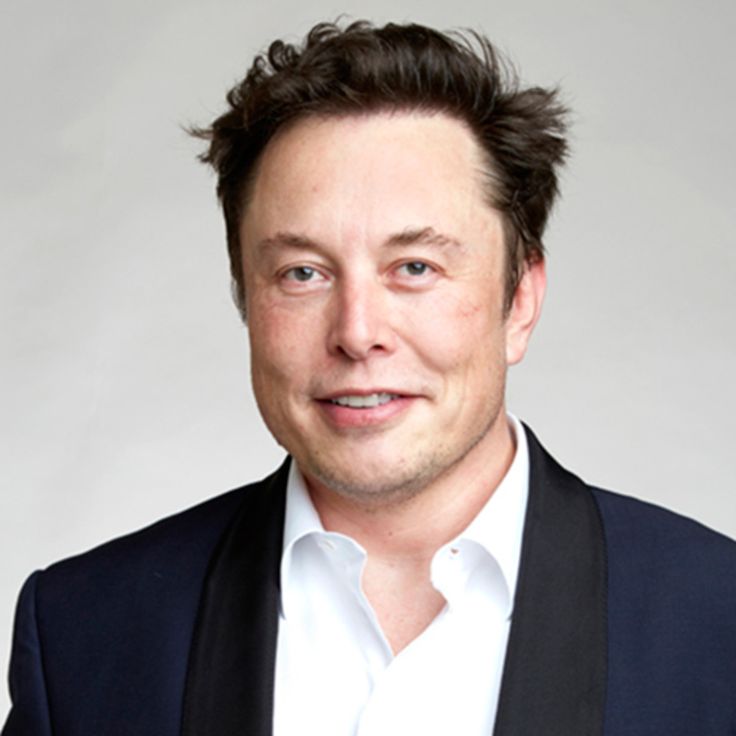
Elon Musk has officially become the world’s first trillionaire following the highly anticipated, record-breaking stock market debut of his aerospace company, SpaceX. Wall Street history was rewritten on Friday as the company’s Initial Public Offering (IPO) experienced a spectacular, unprecedented opening-day surge on the New York Stock Exchange. Driven by intense institutional demand and frantic retail investor enthusiasm, the stock skyrocketed by 41 per cent within the first three hours of active trading. The market rally pushed SpaceX’s total corporate valuation beyond the 850 billion dollar mark, simultaneously catapulting Musk’s individual net worth to an astronomical 1.08 trillion dollars.
The historic wealth accumulation cements Musk’s absolute dominance over the global financial elite, widening the gap between him and his closest billionaire peers. Financial trackers confirm that the 54-year-old visionary’s personal fortune expanded by more than 185 billion dollars in a single trading session. This sudden windfall stems from his massive 42 per cent equity stake and super-voting control over the aerospace giant, combined with a parallel market rally for Tesla shares. Wealth analysts observe that Musk now holds a personal net worth greater than the gross domestic products of major economies like Saudi Arabia, Turkey, and Argentina.
The extraordinary market reception reflects Wall Street’s total confidence in SpaceX’s virtual monopoly over the global space economy and satellite internet sectors. Financial analysts note that the company’s lucrative Starlink constellation, which now services over 15 million global subscribers, has successfully evolved into a massive cash-generating engine. Concurrently, the successful deployment of the deep-space Starship system has locked down multi-billion-dollar long-term cargo contracts with NASA and international defense agencies. Investment bankers at Goldman Sachs stated that the IPO was oversubscribed by a staggering 600 per cent, proving that institutional capital views space infrastructure as the ultimate high-growth asset class.
The transition from a closely held private entity into a publicly traded corporation will force a massive structural shift in how the aerospace giant operates. Under strict Securities and Exchange Commission guidelines, SpaceX must now publish detailed quarterly financial audits, material rocket development setbacks, and comprehensive executive compensation packages. Chief Financial Officer Bret Johnsen assured the public that the transition will not disrupt the company’s rapid, iterative engineering timeline. A significant portion of the 45 billion dollars in fresh capital raised from the IPO has been legally ring-fenced to accelerate the construction of permanent infrastructure on the Moon and Mars.
The arrival of the world’s first trillionaire has immediately reignited a fierce, polarizing global debate surrounding deep-seated wealth inequality and international corporate tax frameworks. Human rights coalitions and progressive political leaders across the United States and Europe have renewed aggressive calls for the implementation of comprehensive sovereign wealth taxes. Critics argue that a single individual commanding a trillion dollars while millions of people grapple with intense inflationary pressures represents a profound failure of modern capitalism. Conversely, venture capitalists maintain that Musk’s unprecedented fortune is the legitimate reward for risking his entire life savings to revolutionize global transportation and space exploration.
For global stock markets, the SpaceX debut has provided a massive psychological boost, driving major indices to record highs at the close of the week. The successful listing is expected to trigger a fresh wave of public debuts for other high-profile tech and artificial intelligence unicorns that had previously delayed their IPO plans. As Musk enters completely uncharted financial territory, his attention remains stubbornly fixed on his lifetime goal of interplanetary colonization. The ultimate success of the trillion-dollar milestone will be judged by whether the influx of public capital can successfully transform humanity into a multi-planetary species.