
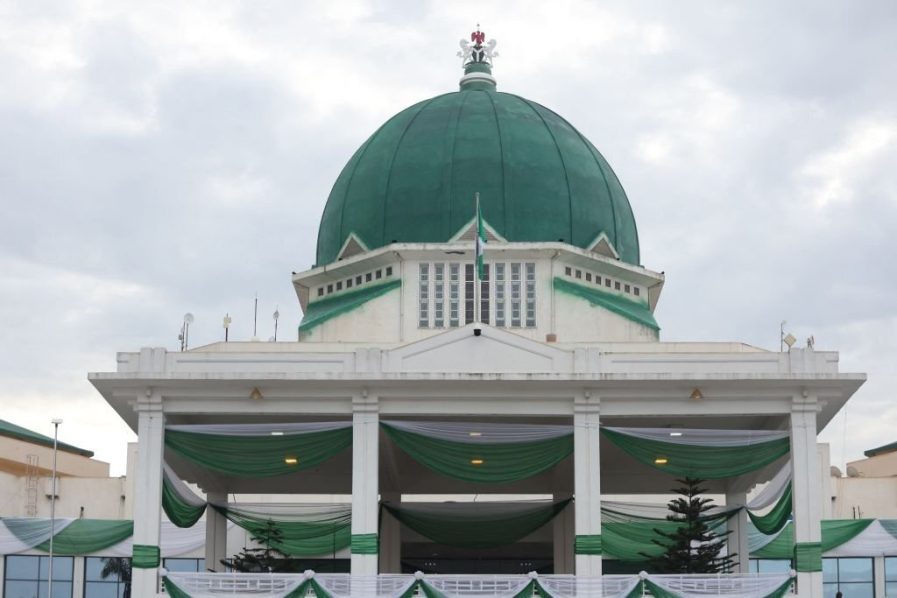
The report, released on Sunday by civic-tech organisation AdvoKC Foundation, examined the performance of the House of Representatives and the Senate against promises contained in their respective legislative agendas as the Assembly enters its final year. The assessment was conducted through the organisation’s Promise Tracker NG platform, which monitored 56 commitments made by the House and 34 commitments made by the Senate across sectors, including healthcare, education, economy, governance, security and political reforms.
According to the report, the House of Representatives fulfilled 13 of its tracked commitments, while four were classified as compromised and 39 as broken. The Senate delivered nine commitments, 12 were considered compromised, and 13 were classified as unfulfilled.
The House recorded its strongest performance in healthcare, scoring 67 per cent, followed by justice and security at 57 per cent. The chamber, however, scored zero per cent in the economy and jobs category, while governance and political reform recorded only six per cent. The report said commitments relating to electoral reforms and constitutional amendments remained largely unresolved.
The Senate performed better in some areas, recording 66.7 per cent in education and 57.1 per cent in economic development and jobs. The report nonetheless flagged stalled reforms on constitutional amendments, youth inclusion and local government autonomy as major areas of concern.
Project Director of AdvoKC Foundation, Habib Sheidu, said legislative agendas represented binding commitments to citizens rather than political statements. “Legislative agendas are not merely aspirational policy wish-lists; they are solemn public covenants made with the Nigerian people,” Sheidu said. He added: “With only one year left before the curtain falls on the 10th Assembly, this report is not an indictment but a crucial wake-up call.”
The findings sharpen a debate that has trailed the Assembly for months. In September 2025, Deputy Spokesman of the House, Philip Agbese, dismissed an earlier AdvoKC assessment, insisting the chamber had “gone beyond the agenda in under two years.” He pointed to over 2,100 bills introduced and 198 passed between June 2023 and March 2025, citing landmark laws such as the Student Loans Act, the Electricity Act Amendment, the renamed National Anthem Act and the N70,000 National Minimum Wage Act.
The contest over the numbers reflects a wider tension between bill output and promise delivery. The House Legislative Agenda for 2023 to 2027 is built around eight focal areas, including governance reform, security, economic growth and transparency in parliament. Tracking groups argue that volume of legislation does not automatically translate to the specific reforms lawmakers pledged.
AdvoKC’s scrutiny has also moved beyond scorecards. In March 2026, the Foundation sued the National Assembly and its Clerk over alleged refusal to disclose budgets and sessional reports, after Freedom of Information requests went unanswered. Sheidu described that suit as “a necessary step for the preservation of democratic governance,” insisting Nigerians “have a right to know how their resources are being managed.”
AdvoKC said the Legislative Agenda Meter was designed to give citizens a data-based tool for tracking performance, and that the platform would continue to publish updates as the Assembly’s final year unfolds.