
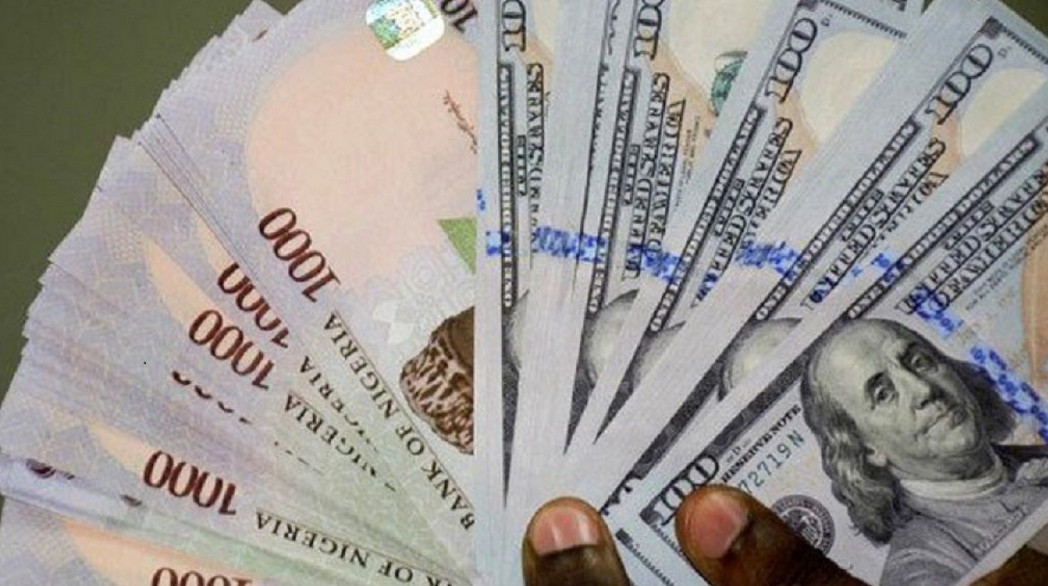
The Nigerian naira opened the week with relative stability against the United States dollar on Monday across both the official and parallel foreign exchange windows. Financial sector data showed the domestic currency trading at an average of 1,360.71 naira per dollar at the official foreign exchange market. This current baseline represents a minimal, steady movement from the pricing bands recorded at the close of last week’s trading cycles. Currency analysts point out that consistent local market monitoring and structured foreign exchange inflows have successfully insulated the naira from aggressive speculative shocks.
Parallel market and informal street operators reported a similarly calm start to the morning, with trading activity remaining largely flat. Unofficial Bureau De Change dealers bought the greenback at approximately 1,388 naira and sold it to retail end-users for 1,398 naira by mid-morning. The prolonged, tight convergence between the official financial window and the parallel market indicates that panic-driven hoarding among local buyers has largely subsided. For ordinary citizens conducting cash transactions, a hundred-dollar bill currently yields a retail baseline of roughly 139,800 naira.
The continuous flattening of the exchange rate volatility curve mirrors aggressive, multi-layered regulatory guidelines implemented by monetary authorities. The Central Bank of Nigeria’s recent initiatives to streamline international trade documentation have successfully dampened erratic panic-buying among local importers. Market liquidity has also received a significant structural boost from an eleven-month high in national crude oil and condensate production levels. Consequently, the domestic banking sector reports that routine corporate and personal requests for invisibles like international travel and school tuition allowances are being processed within optimal windows.
Despite the positive short-term market stability, macroeconomists emphasize that long-term currency protection remains heavily dependent on external economic indicators. Total foreign currency reserves remain directly tethered to consistent international oil quotas and global energy pricing patterns. Simultaneously, the manufacturing sector continues to face high operational bottlenecks, as the current baseline exchange rate keeps the retail cost of imported raw materials comparatively elevated. Industrial advocates maintain that absolute stability must eventually match structural price discovery to systematically bring down consumer inflation.
Monetary managers face a delicate balancing act as they steer the national ledger through the final weeks of the second quarter. The central bank must continuously sustain its localized liquidity interventions without causing an unbacked depletion of foreign currency reserves. Any sudden downturn in export receipts could rapidly disrupt the fragile currency equilibrium established in mid-June. For the immediate future, local currency traders and commercial institutional buyers expect the naira to fluctuate within a tight, predictable band of 1,355 to 1,365 naira per dollar.