
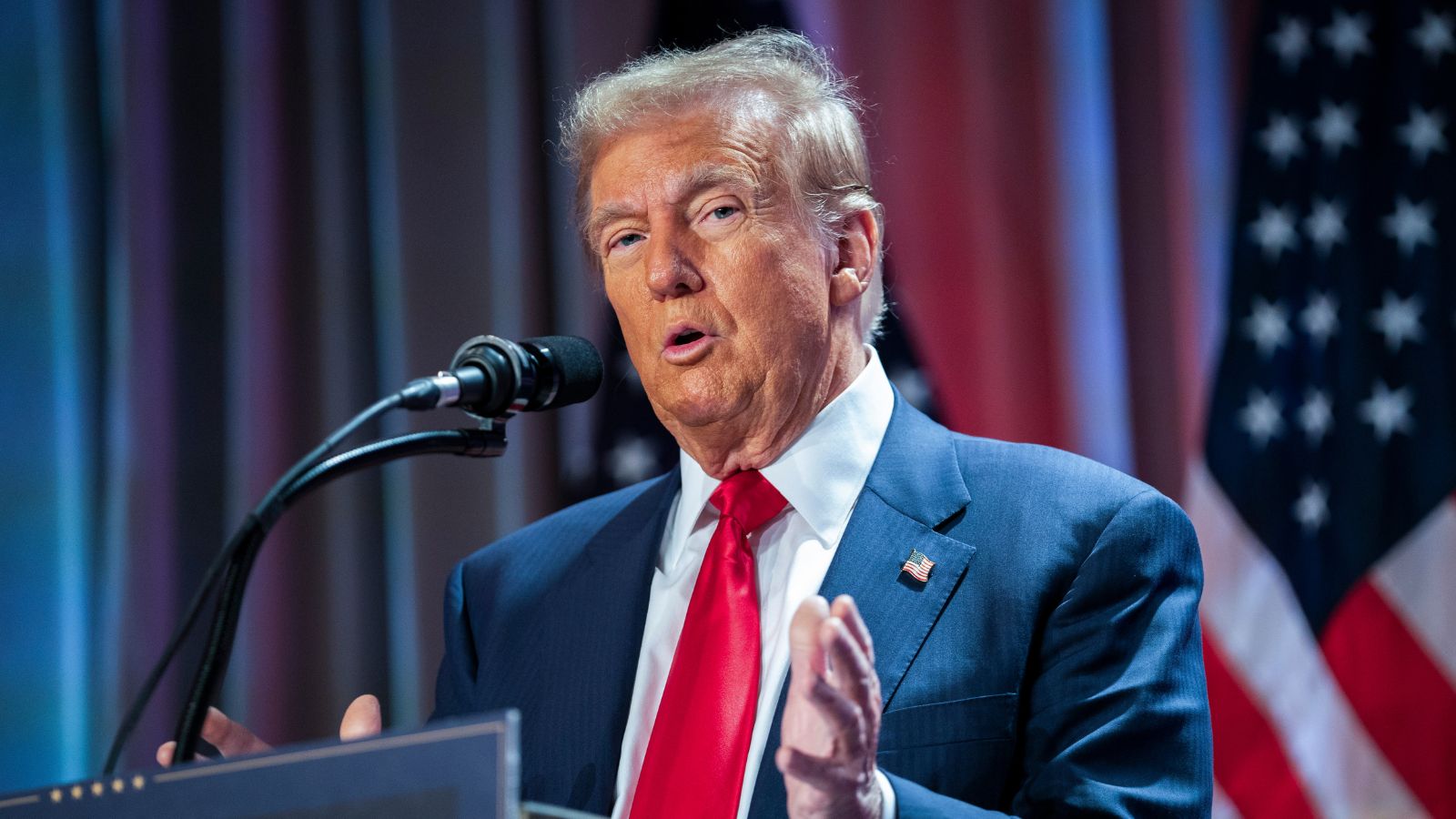
The United States and Iran have agreed to a comprehensive peace deal that mandates an “immediate and permanent” termination of military operations on all fronts, including Lebanon. Pakistani Prime Minister Shehbaz Sharif, who acted as the primary mediator throughout the intensive 104-day conflict, announced the breakthrough on Sunday evening. Minutes later, U.S. President Donald Trump confirmed the diplomatic milestone via a statement on Truth Social, declaring, “The Deal with the Islamic Republic of Iran is now complete. Congratulations to all!” The historic announcement effectively signals the end of more than three months of intense kinetic warfare in West Asia.
The breakthrough arrived after a high-stakes, rollercoaster day of diplomacy that was nearly derailed by escalating regional violence. Earlier on Sunday, an Israeli precision airstrike targeting a Hezbollah command center in the suburbs of Beirut prompted furious warnings from Tehran, threatening to freeze negotiations entirely. President Trump publicly criticized the timing of the strike, stating that “this morning’s attack on Beirut should not have happened” and urging all regional actors to stand down. Despite the friction, a 17-hour marathon session facilitated by Qatari and Pakistani negotiators in Tehran successfully kept both sides at the table to finalize the agreement.
The core immediate consequence of the completed accord is the resolution of the catastrophic maritime blockades that have severely disrupted global energy markets. President Trump announced that he has fully authorized the immediate removal of the United States naval blockade on Iranian ports. Concurrently, Trump ordered the toll-free reopening of the strategic Strait of Hormuz, declaring, “Ships of the World, start your engines. Let the oil flow!” Global Brent crude prices responded immediately to the news, plunging more than four per cent in early Monday trading as maritime supply anxieties eased.
While the foundational memorandum of understanding has been officially agreed upon, the text outlines a multi-layered roadmap to handle deeply entrenched structural disputes. Iranian state media, quoting Deputy Foreign Minister Kazem Gharibabadi, revealed that the 14-point memorandum establishes a 60-day negotiation window immediately following the formal signing. This period will be utilized to tackle highly contentious issues, including the systematic termination of economic sanctions against Iran, mechanisms to monitor the truce, and the release of an estimated 24 billion dollars in frozen Iranian assets overseas. The framework will eventually be solidified through a formal United Nations Security Council resolution.
The long-term resolution of Iran’s nuclear capabilities remains the most delicate and heavily disputed aspect of the post-war architecture. President Trump claimed that under the deal’s ultimate objectives, Iran will completely abandon its pursuit of a nuclear weapon, allowing the United States to safely retrieve and destroy highly enriched “nuclear dust.” However, the Iranian Foreign Ministry has subtly downplayed these assertions, insisting that the current agreement is focused strictly on terminating hostilities and that detailed nuclear parameters will be hashed out during the upcoming 60-day technical talks. Trump has already warned the New York Times that the U.S. will immediately restart military strikes if Tehran fails to deliver a verifiable nuclear accord.
The international community has reacted with overwhelming relief and cautious optimism as the warring nations pivot toward formal ratification. European Union Commission President Ursula von der Leyen and French President Emmanuel Macron both welcomed the de-escalation, noting that the deal will take center stage at the G7 summit in Evian-les-Bains. To iron out the remaining technical details, international mediators have organized a series of pre-implementation discussions in Doha this week. The official, high-profile signing ceremony between the United States and the Islamic Republic is scheduled to take place on Friday, June 19, on neutral ground in Switzerland.