

Oyo School Abduction: Troops Seal Escape Routes
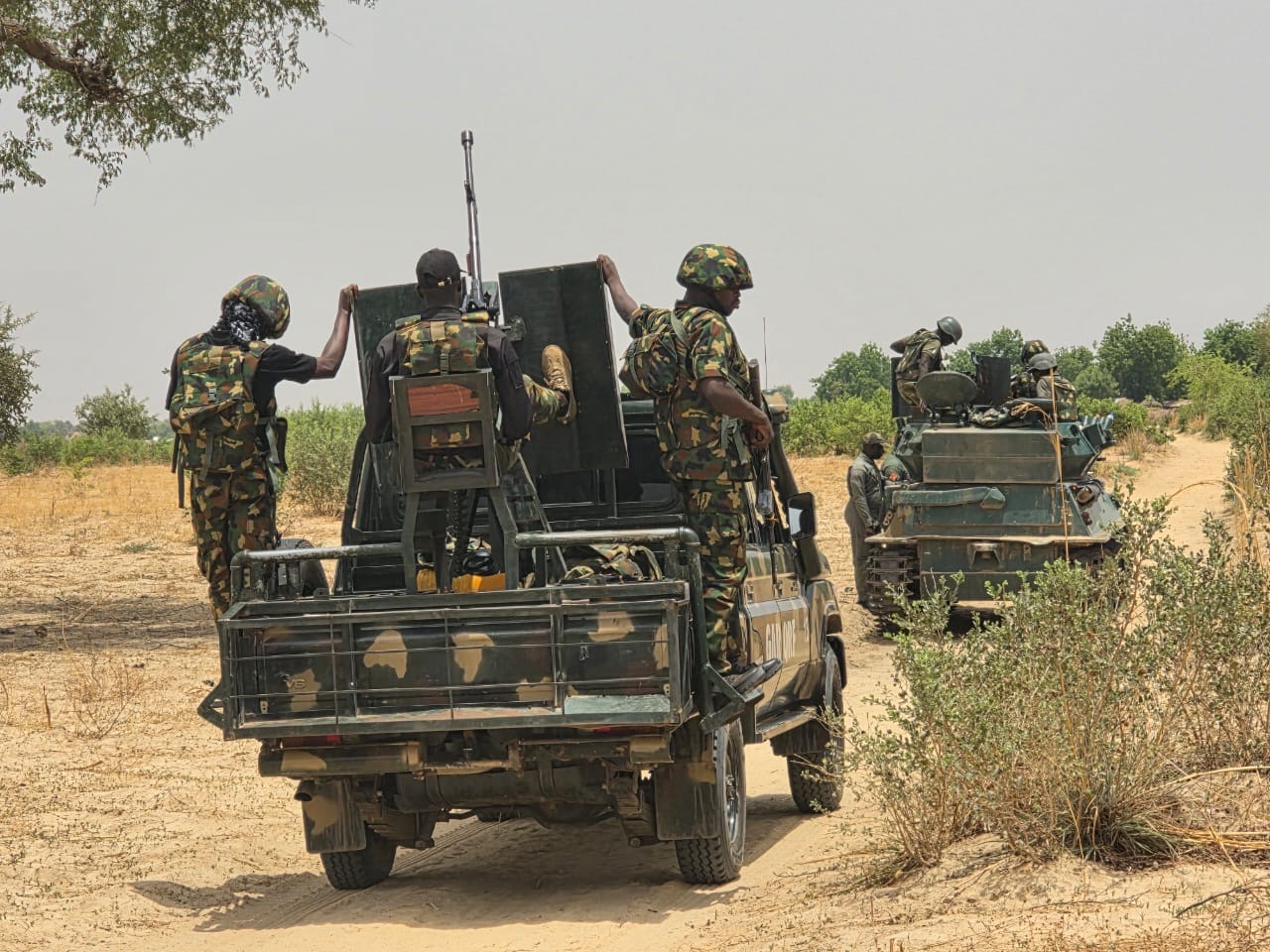
Hopes are rising that the schoolchildren and teachers held captive for more than five weeks in Oyo State could soon regain their freedom, as security operatives tighten their cordon around a hideout deep inside the Old Oyo National Park and the abductors scale back their list of demands.
Multiple security sources familiar with the operation said troops have blocked every viable escape route to the forest where the victims are believed to be held, leaving the kidnappers, in the words of one source, “effectively contained within the forest.” Under mounting pressure and the prospect of capture, the gang has reportedly “dropped some of their earlier demands” and is now “largely focused on securing ransom payment.”
The crisis dates to Friday, May 15, 2026, when armed men stormed three schools in the Ahoro-Esinle and Yawota communities of Oriire Local Government Area. Officials and the Christian Association of Nigeria put the number of those seized at 39 students and seven teachers across a secondary school and two primary schools, with the state’s CAN chairman, Elisha Olukayode Ogundiya, confirming that 46 people, mostly children aged between two and 16, were taken.
The abductors, sources said, initially tabled four demands: the release of detained terrorist commanders, ransom, two Hilux vehicles, and the implementation of Sharia-related laws. Among those whose freedom they sought are Mahmud Usman, alias Abu Bara’a, and his deputy, Abubakar Abba, both described as senior members of Ansaru, a breakaway Boko Haram faction arrested by the Department of State Service last year.
The siege has not been bloodless. The kidnappers, it was gathered, recently killed one of the abducted teachers, apparently to blackmail authorities into halting the operation. On May 17, 2026, the gang released a video showing the beheading of a mathematics teacher, Michael Oyedokun, triggering national outrage and an indefinite teachers’ strike from June 1.
The terrain has been the operation’s biggest obstacle. Governor Seyi Makinde has confirmed the victims remain within the Old Oyo National Park, a reserve spanning roughly 2,500 square kilometres across parts of 10 local government areas, whose size and difficult terrain have posed significant operational challenges. The affected communities sit close to Nigeria’s border corridor towards Niger Republic and the Kainji axis, a zone of harsh terrain and no communication coverage.
The Oyo attack marked a troubling shift. Mass school abductions have recurred since the 2014 Chibok kidnapping of 276 schoolgirls in Borno, but such raids were long concentrated in the north. The 2026 Oyo attack was a rare expansion into the South-West, a region previously considered relatively secure. On the same day as the Oyo raid, Boko Haram fighters reportedly attacked a school in Askira-Uba, Borno, abducting about 42 pupils.
Security sources said sustained offensives have pushed insurgents from their strongholds towards soft civilian targets, but also yielded results, with no fewer than 168 high-profile terrorist commanders reportedly neutralised in recent operations. A senior officer, speaking anonymously, said: “The war against terrorism will be won.”
Authorities have urged restraint over unverified claims. The Oyo police, through spokesman DSP Olayinka Ayanlade, this week dismissed viral reports linking Yoruba Nation agitator Sunday Igboho to a separate rescue, insisting there was “no official confirmation” and no evidence tying him to any operation.
As of Sunday, the Oriire victims remained in captivity, with families still awaiting their safe return.