

Lagos Unveils N200m Grant For Young Agripreneurs
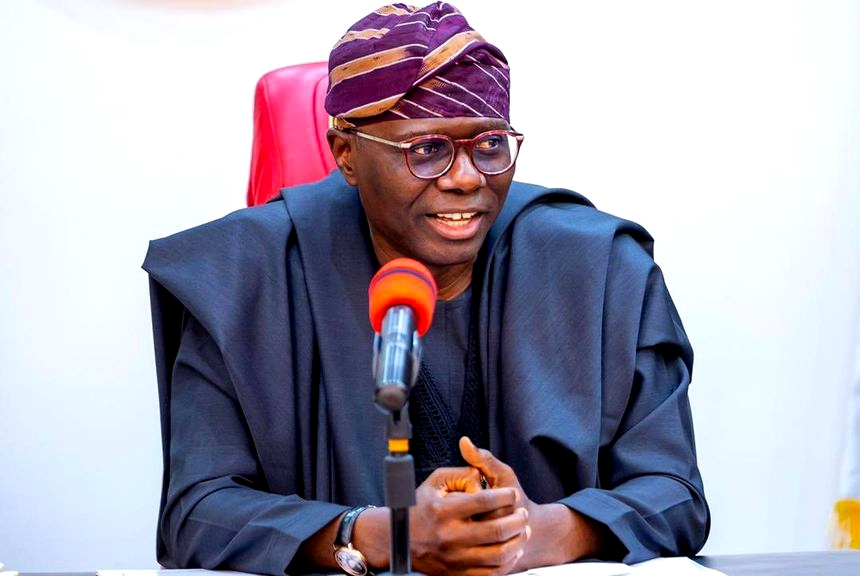
The Lagos State Government has launched a N200m grant to support young agricultural entrepreneurs across the state. Governor Babajide Sanwo-Olu announced the financial intervention scheme during the closing ceremony of the Agri-Exploration Programme on Tuesday. The initiative targets small and medium-scale agricultural enterprises managed by youths to boost local food security. State officials designed the cash injection to help beneficiaries scale up their operational capacity and modernise production methods. Government selectors chose 100 young agripreneurs from an initial pool of over 5,000 applicants following an intense screening process.
The cash grant aims to address the persistent lack of capital holding back young farmers in the region. Most conventional commercial banks routinely deny credit to agricultural startups due to the high risks associated with farming. This structural funding deficit forces many promising operators to abandon the land for urban white-collar jobs. The administration hopes that direct state backing will lower the entry barriers for innovative youth participation. Selected enterprises will receive varying financial tranches based on their verified business needs and past performance metrics.
Lagos continues to face severe food supply vulnerabilities because of its massive population and limited landmass. The state currently imports over eighty per cent of its daily food requirements from neighbouring regional states. This extreme dependence leaves the commercial capital highly exposed to transport disruptions and food price shocks. The Ministry of Agriculture is actively building dedicated agricultural clusters to maximise the limited urban land available. Instructors trained the selected grant recipients in climate-smart farming, urban aquaculture, and modern value-chain logistics.
The grant announcement coincides with a broader regional push to replace aging farming populations across West Africa. The average Nigerian farmer remains over fifty years old, using inefficient tools and outdated agronomic practices. State technocrats believe that injecting tech-savvy youth into the sector will automatically drive domestic food production upwards. The administration intends to monitor the fund disbursement closely to prevent misuse or diversion by local political actors. Independent auditing firms will track the progress of each beneficiary over the next twelve months.
This agricultural intervention arrives amidst skyrocketing food inflation that is pushing millions of urban households into extreme poverty. High costs of fertilizers, security challenges in agrarian belts, and poor infrastructure continue to drive food prices to record levels. While a N200m grant represents a positive step, analysts argue that the scale of the crisis requires far greater structural investment. The state must fix broader bottlenecks like poor rural roads and unstable electricity to achieve lasting food sufficiency. Direct cash grants only solve part of a complex logistics puzzle.
The Ministry of Agriculture promised to provide ongoing extension services and market linkages to the successful grant recipients. Beneficiaries will gain direct access to the state-owned Imota Rice Mill and various urban consumer hubs. This institutional support aims to shield the young enterprises from predatory middlemen who squeeze farm-gate profit margins. The success of this pilot cohort will determine if the state expands the funding pool in subsequent fiscal years. The administration knows that feeding Lagos requires turning farming into a highly profitable enterprise.