
Nigeria’s football authorities have turned their gaze to the 2027 Africa Cup of Nations and the 2030 FIFA World Cup, with the National Sports Commission charging the Nigeria Football Federation to begin rebuilding immediately after confirming that Super Eagles coach Eric Chelle will stay on.
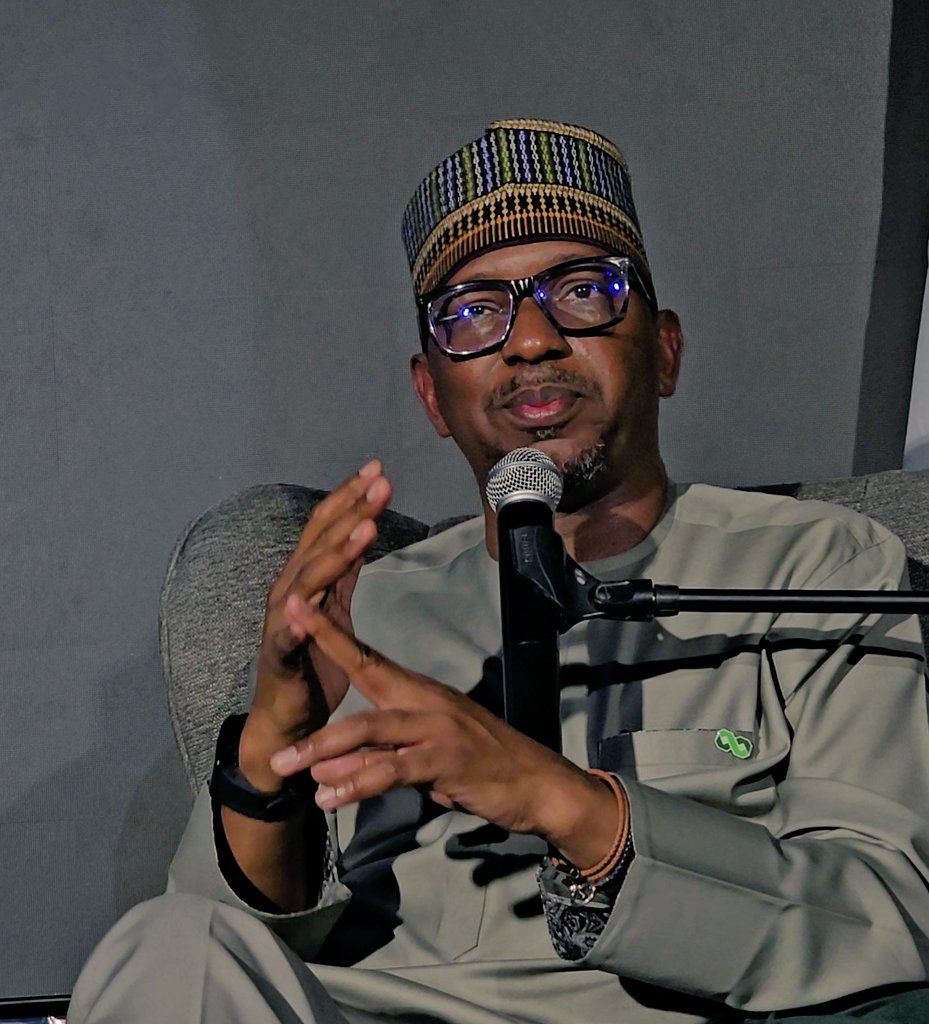
NSC Chairman Shehu Dikko gave the directive on Tuesday during a meeting between Commission and NFF officials in Abuja, where talks centred on the future of the national teams following Nigeria’s failure to reach the 2026 World Cup in the United States, Canada and Mexico. The Super Eagles missed out after a penalty shootout defeat to DR Congo in the African play-off final in Rabat, losing 4-3 on spot kicks following a 1-1 draw after extra time on November 16, 2025.
That result marked the second straight World Cup the country has failed to reach. It was the first time since their 1994 debut that the Super Eagles failed to qualify for two consecutive FIFA World Cups, following the away-goals elimination by Ghana that denied them a place at Qatar 2022.
Chelle, appointed in early 2025 during the qualification campaign, revitalised the team with four wins and two draws to steer Nigeria into the play-offs before their hopes were dashed. Despite the disappointment, Dikko revealed that the NFF had concluded talks with the Franco-Malian on improved terms and fresh targets.
“We have reached new terms with the coach about his new remuneration. We are also going to take care of his assistants and there are other benchmarks that we have put on the table and I’m sure the coach will be very excited about it,” Dikko said.
The coach’s initial two-year deal was due to expire at the end of 2026. Reports indicate his monthly earnings will rise from 45,000 dollars to 100,000 dollars, with the NFF now absorbing the wages of his backroom staff, who were previously paid from his own pocket. Chelle had reportedly requested a monthly package of 130,000 dollars after Nigeria’s third-place finish at the 2025 AFCON in Morocco.
Dikko stressed that planning must now shift to the long term.
“We have also discussed how we can build for the future. We have the next AFCON and the World Cup so we must start preparing now by putting our house in order to make sure all the mistakes that we have suffered will not happen again,” he said.
As part of that rebuild, Chelle has also been handed the U-23 team ahead of the Los Angeles 2028 Olympics qualifiers, with the aim of creating a clear pathway for emerging talent into the senior side. The assignment carries weight: Nigeria’s U-23s have not featured at the Games since Rio 2016, missing both Tokyo 2020 and Paris 2024.
The wider record offers both encouragement and warning. Nigeria remain one of Africa’s most successful nations, having won the AFCON three times in 1980, 1994 and 2013. At the World Cup, the Super Eagles have featured in six editions, 1994, 1998, 2002, 2010, 2014 and 2018, reaching the Round of 16 in 1994, 1998 and 2014. With qualification for the 36-team 2027 AFCON and a 2030 World Cup now expanded to 48 teams, the path back carries both fresh opportunity and renewed scrutiny.