
Debt Servicing Swallows 20% Of Nigeria’s Revenue, Report Finds
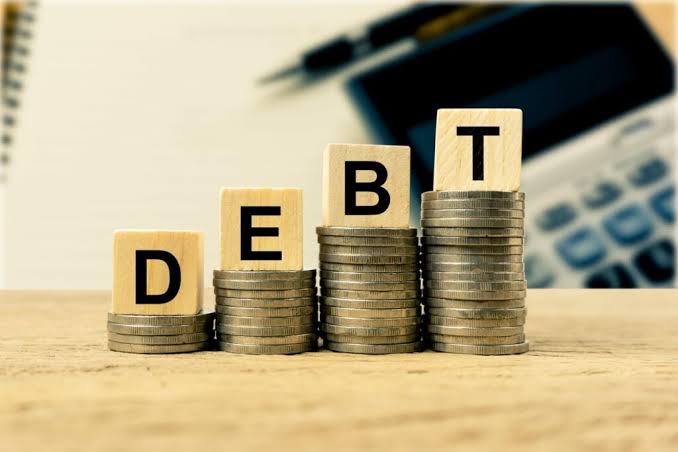
Nigeria channels nearly five times more of its national revenue into servicing external debt than it commits to healthcare and education combined, a fresh review by ActionAid International and ActionAid Nigeria has found, framing the country’s fiscal squeeze as a direct casualty of policy advice from the International Monetary Fund.
The report, released on Tuesday and titled “Still Cooking with a Failed Recipe: A Review of IMF Country Advice on Social Spending, Public Services, Debt, Tax and Gender Equality,” examined 29 IMF documents across 11 countries between February 2022 and February 2025, among them Brazil, Ghana, Kenya, Malawi, Nepal, Senegal, Uganda, the United Kingdom, Zambia, Zimbabwe and Nigeria.
According to the findings, Nigeria spends 20.1 per cent of its national revenue on external debt payments, compared to 4.06 per cent on health and 4.40 per cent on education. The organisation said the IMF treated debt repayment as “an unalterable reality,” with social services funded only after creditors were paid.
The figures land against a worsening debt backdrop. Debt Management Office data put Nigeria’s total public debt at N159.28 trillion by the end of 2025, a sharp climb from N121.67 trillion in the first quarter of 2024. The 2026 budget, approved at a record N68.32 trillion, sets aside one of its largest single allocations, in the region of N15.81 trillion, for debt servicing, a sum that rivals the combined provisions for defence, infrastructure, education and health.
ActionAid said the strain is compounded by a frozen wage bill. It found that Nigeria’s public-sector wage bill had remained at 1.9 per cent of GDP for six consecutive years, the lowest among the 11 countries reviewed, against an African average of 7.6 per cent and a global average of nine per cent. By contrast, the United Kingdom spends 15.9 per cent of its GDP on public-sector workers and is encouraged by the IMF to expand public investment further.
ActionAid Nigeria’s Country Director, Andrew Mamedu, criticised what he called the Fund’s double standards. “For six years running, the IMF has looked at a wage bill that funds Nigeria’s teachers, nurses and doctors at less than a quarter of the regional average and found nothing to recommend beyond keeping it frozen,” he said, adding that ordinary Nigerians were being asked to absorb “the same recipe, repackaged.”
The report also flagged the IMF’s tax prescriptions. It said the Fund advised Nigeria to raise Value Added Tax from 7.5 per cent to 15 per cent by 2026 and to impose higher excise duties on tobacco and alcohol, measures ActionAid described as “clearly regressive.” Nigeria’s enacted tax reforms, signed in 2025, raised VAT to 12.5 per cent rather than the 15 per cent the Fund recommended.
The intervention revives a long-running debate over Nigeria’s borrowing trajectory. Federal borrowing rose from N3.55 trillion in 1999 to N26.91 trillion by 2021, before accelerating after the 2023 elections. ActionAid concluded that the IMF “remains the institution most actively empowered by the debt crises,” urging that it “be retired, not reformed.”
With poverty affecting an estimated 139 million Nigerians, over 60 per cent of the population, the report sharpens questions over whether debt-driven austerity can coexist with the social investment the government says its reforms will eventually deliver.