


Nigeria Misses Tax Targets Despite Ongoing Reforms – Oyedele
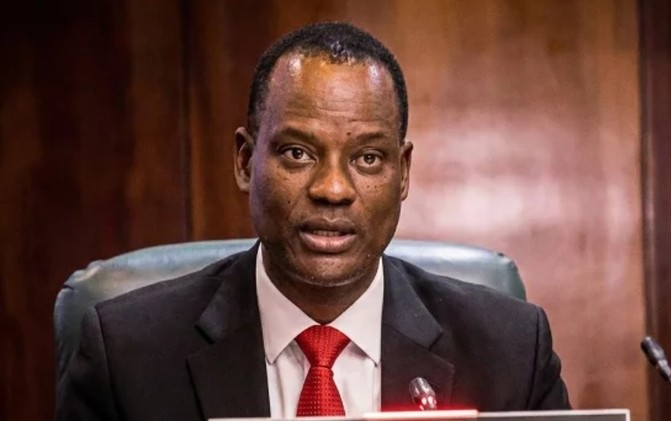
Nigeria is still falling significantly short of its statutory tax revenue targets despite the implementation of extensive fiscal adjustments. Minister of Finance and Coordinating Minister of the Economy, Taiwo Oyedele, disclosed the ongoing deficit during a courtesy visit in Abuja on Thursday. The minister hosted the leadership of the Chartered Institute of Taxation of Nigeria to mark the first anniversary of the national tax reform laws. President Bola Tinubu signed the landmark Tax Reform Acts into law exactly one year ago. Oyedele noted that entrenched public misconceptions about the civic obligation continue to hamper compliance rates across the country severely.
The administration maintains that the country’s revenue challenge lies in expanding the collection net rather than increasing existing tax rates. The finance minister emphasized that the federal government wants more active taxpayers, not higher fiscal burdens on existing ones. According to ministry assessments, many citizens still wrongly view taxation as an aggressive state mechanism designed to exploit the public. The state wants to promote total fairness in administration to erase these historical suspicions. Analysts estimate that the country is currently capturing only thirty per cent of its total revenue potential.
The widespread misunderstanding of the updated framework continues to fuel intense anxiety within the domestic business community. Many small traders wrongly believe the new guidelines introduced fresh consumption levies across all areas of retail commerce. CITN President Innocent Ohagwa clarified that the legislation actually provides significant financial relief for low-income households. The unified framework grants an essential rent relief allowance of up to N500,000 for registered individual taxpayers. Furthermore, critical items, including staple foods, education, and healthcare, now enjoy a zero-rated Value Added Tax structure.
The updated fiscal policy also introduces sweeping tax exemptions to stimulate struggling micro-enterprises and agricultural processors. Small companies earning fifty million naira or less annually are completely exempt from paying corporate income tax. Specialized incentives also protect domestic manufacturing hubs focused on aquaculture, dairy production, and animal feed. The government intends these exemptions to allow local businesses to reinvest their capital into immediate job creation. However, tax administrators are struggling to communicate these corporate protections effectively to the informal trading sector.
The executive chairman of the Nigeria Revenue Service, Dr Zacch Adedeji, urged the public to embrace registration as a basic civic duty. The newly restructured revenue body relies heavily on digital tracking tools to monitor transactional compliance and eliminate leakages. Operators engaged in the financial services sector must now demand a verified Tax Identification Number before opening retail bank accounts. The state believes that increased transparency from public officials will automatically encourage voluntary tax compliance. Until the public sees tangible infrastructural development from their contributions, evasion will likely remain high.