
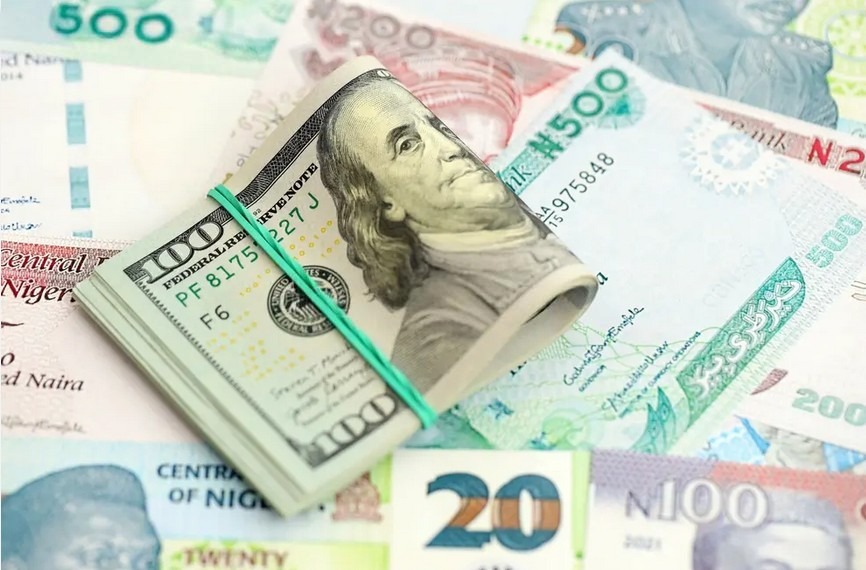
The Nigerian naira maintained a relatively steady position against the United States dollar during early trading on Friday. Data from the official foreign exchange market showed the local currency exchanging at N1,374.52 per dollar by mid-morning. The current rate represents a marginal appreciation from the opening figures recorded at the start of the daily session. Traders observed small intraday movements as the market opened with a baseline of N1,375.17 before fluctuating within a narrow range. The minor shifts indicate a brief period of equilibrium within the authorized banking channels.
Domestic currency values experienced slight volatility during the early hours of trading. The exchange rate briefly hit a peak of N1,377.15 during the early morning trading window as demand for greenbacks intensified. However, increased liquidity later helped steer the local currency back toward stronger territory before midday. The official market has faced persistent pressure over the past year due to fluctuating crude oil export earnings. Financial analysts track these tiny hourly movements to judge the overall success of ongoing foreign exchange reforms.
The relative stability in the official window follows aggressive interventions by the Central Bank of Nigeria to curb speculation. The apex bank recently adjusted interest rates upward to attract foreign portfolio investors and shore up external reserves. These hawkish monetary adjustments aim to narrow the historical gap between the official and parallel market rates. Despite these efforts, high demand for foreign invisibles like tuition and medical fees continues to weigh heavily on supply. Individual businesses must still navigate lengthy delays to secure official dollar allocations.
The currency performance remains deeply tied to broader macroeconomic shifts across global energy markets. The recent normalization of oil transit volumes through strategic global corridors has provided a moderate boost to state revenues. However, domestic inflation continues to erode the real purchasing power of the naira within local retail markets. Companies relying heavily on imported raw materials face unpredictable production planning cycles due to exchange rate variations. The manufacturing sector remains highly vulnerable to even the slightest depreciation in the currency value.
The central bank intends to deepen transparency within the Nigerian Autonomous Foreign Exchange Market to eliminate remaining distortions. Regulators are actively encouraging commercial banks to process genuine trade transactions with minimal bureaucratic friction. Analysts expect the naira to hover around the current N1,370 baseline over the coming days unless global commodity markets face fresh disruptions. Maintaining this stability remains critical to restoring foreign investor confidence in the domestic financial ecosystem. The capital continues to monitor the daily closing data with keen interest.