


ECOWAS Court To Rule On Secret Ghana US Deportation Pact
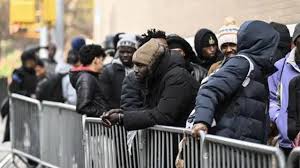
A coalition of lawyers has dragged Ghana before West Africa’s top human rights court, accusing the country of unlawfully receiving and onward deporting refugees and protected migrants who were expelled from the United States under President Donald Trump’s expanding third country deportation programme.
The lawsuit was filed Monday at the ECOWAS Community Court of Justice in Abuja by the Ghanaian firm Merton & Everett LLP, the Cornell Law School Transnational Disputes Clinic in the United States, and the Global Strategic Litigation Council, a coalition of non governmental organisations. The case targets Accra’s role in a deportation arrangement with Washington whose terms have never been made public.
At least 60 people have been deported to Ghana since September, according to the lawyers, with 27 represented in the lawsuit. Those in the suit had sought, and the majority had obtained, asylum or other legal protections in the United States. None of the 27 remain in Ghana. The legal team said many “now remain in hiding in their home countries or have fled to third countries where they wait in limbo.”
The arrangement traces back to Washington’s difficulty removing migrants whom American judges had ruled could not be sent home. In cases where the United States is barred from sending people to their own countries, after judges found they likely face torture or persecution, it has turned to third countries such as Ghana. Ghana has then sent them onward or, as has been reported, dumped them in neighbouring Togo without documents.
The human cost runs through the filing. The first group arrived in Ghana in September 2025, and accounts gathered by advocacy groups describe detention in a military camp, a hotel, and holding cells at Kotoka Airport, with reports of poor sanitation and limited access to communication. Medical experts who examined some of the deportees documented signs consistent with severe trauma, including post traumatic stress disorder, while at least one detainee was said to have attempted suicide in custody.
The case sits within a wider legal storm. In the United States, a federal district court declared the Department of Homeland Security’s third country removal policy unlawful on February 25, 2026, holding that migrants could not be sent to undesignated countries without genuine notice and a chance to claim protection. That ruling was stayed on appeal, leaving the practice alive while litigation continues. The earlier injunction had itself been paused by the US Supreme Court on June 23, 2025, in a brief, unreasoned order that drew a sharp dissent from Justice Sonia Sotomayor.
Ghana is not the only African destination. A similar lawsuit was filed earlier in June at the African Commission on Human and Peoples’ Rights to halt US deportations to Equatorial Guinea, which has also served as a way station for African deportees. Eswatini, Rwanda and South Sudan have also received deportees under comparable arrangements.
The diplomatic backdrop is delicate. Beyond saying it would only take West Africans, Accra has stayed silent on the terms of the deal. But shortly after the arrangement took effect, the United States reversed visa curbs it had placed on Ghana. Nigeria, for its part, has said it was never briefed about its nationals being routed through Ghana and has rejected the deportation of non Nigerians into the country.
The claimants are asking the ECOWAS Court to suspend further transfers, compel Ghana to disclose the agreement, award compensation to those affected, and bar Accra from entering similar deals. The lawsuit alleges Ghana is violating domestic and regional law by “facilitating removals to unsafe countries.”
Believed to be among the first cases brought under the 1979 ECOWAS Free Movement Protocol, a ruling could set a regional benchmark for how far member states may go in cooperating with foreign deportation schemes. A date for hearing is yet to be fixed.