


Troops Kill Six Terrorists in Plateau Raid
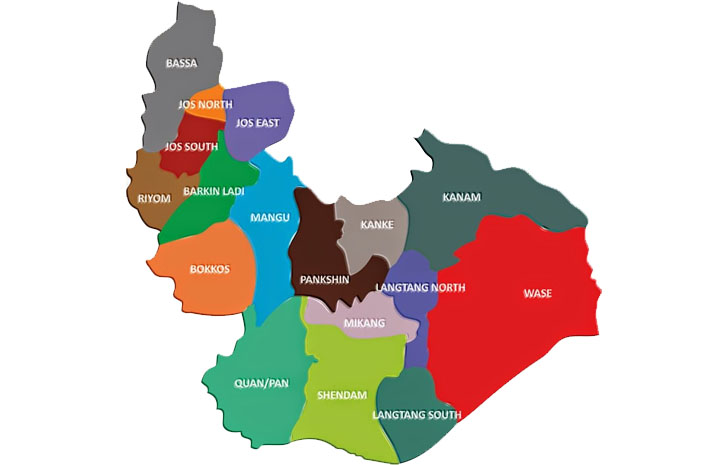
Nigerian army troops killed six suspected terrorists during a fierce gunfight in the troubled hills of Plateau State. Soldiers operating under the Joint Security Task Force intercepted the heavily armed group during a routine clearance patrol. The operational command confirmed that the encounter followed a precise intelligence tip-off regarding militant movements between rural borders. A brief but intense exchange of gunfire left the six fighters dead while others fled into nearby forests with severe bullet wounds. This successful ambush offers a rare tactical victory in a region long plagued by cyclical communal warfare.
Search teams recovered a significant cache of military-grade weaponry from the scene of the clash. The seized arsenal included three automatic assault rifles, several locally fabricated guns, and dozens of live ammunition rounds. Troops also confiscated communication gadgets and operational motorcycles used by the militia to navigate the rugged terrain. Security analysts believe the recovered hardware indicates a highly organised syndicate rather than a loose band of local thieves. The military has since deployed additional tracking units to hunt down the wounded survivors who escaped into the dense brush.
The encounter happened amidst a fresh surge of bloodshed across vulnerable local government areas on the Plateau. Armed bands have repeatedly invaded remote farming villages over the past month, killing scores of defenceless residents and burning food reserves. Local leaders continue to accuse state authorities of failing to protect minority communities from coordinated ethnic cleansing campaigns. The military insists that its latest offensive demonstrates an unbiased commitment to neutralising all armed actors, regardless of their tribal or religious affiliations. Yet, tactical raids rarely address the deep political grievances that fuel these endless insurgencies.
The persistent instability on the Plateau remains a major headache for the federal government in Abuja. Decades of land disputes, ethno-religious rivalries, and pastoralist expansion have turned the agrarian state into a perpetual battleground. Foreign investors routinely cite the volatile security situation in north-central Nigeria as a barrier to agricultural development. While targeted military operations temporarily disrupt insurgent networks, they seldom provide lasting peace without accompanying judicial and social reforms. For now, the state relies on sheer force to keep a fragile lid on a simmering civil conflict.
Army commanders have urged rural inhabitants to maintain vigilance and report suspicious movements to the nearest security post. The defense headquarters promised to sustain the current pressure until security forces completely clear the state of illegal armed groups. Local communities remain understandably skeptical, given how quickly militant groups usually rebuild their ranks after such losses. The six dead fighters represent a small dent in a sprawling network of rural militias that still dominate the countryside.