
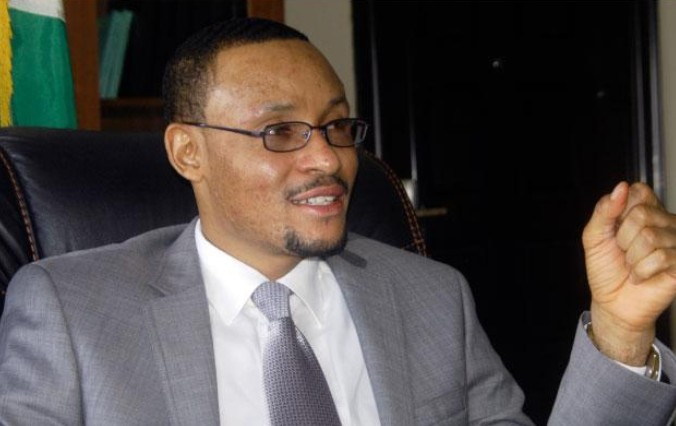
A High Court of the Federal Capital Territory has ordered the remand of Danladi Umar, the former Chairman of the Code of Conduct Tribunal. The Economic and Financial Crimes Commission arraigned the former anti-graft judge on a four-count charge bordering on bribery and abuse of office. Justice Peter Kekemeke directed that Umar remain at the Kuje Medium Security Custodial Centre pending the determination of his bail application. The irony is stark: the man once responsible for policing the ethics of public officers now sits in a prison cell facing corruption charges.
The state alleges that Umar used his official position to extract unfair financial advantages from contractors. According to the prosecution, the former tribunal chief used his wife’s bank account to launder illicit payouts. In one instance, a subcontractor tasked with painting the tribunal’s headquarters allegedly deposited ₦5.5 million into the account. Another firm hired to digitalise the tribunal’s archival management records reportedly transferred ₦6 million to the same private account. The anti-graft agency insists these transactions violate the statutory code of conduct rules.
The charges further detail highly personal financial arrangements funded by state contractors. Prosecutors claim that Umar directly instructed an active tribunal contractor to settle private family expenses. The vendor allegedly transferred millions of naira to Baze University in Abuja to cover tuition fees for Umar’s children. The commission argues these actions squarely breach Section 19 of the Corrupt Practices and Other Related Offences Act. The defence entered a plea of not guilty to all four counts presented before the court.
A procedural clash regarding timing prevented the defendant from securing immediate administrative relief. The defence team tried to argue a pre-filed motion for bail to keep their client out of custody. However, the prosecuting counsel objected to the hearing on the grounds of late service, stating the agency required time to formulate a formal counter-affidavit. Justice Kekemeke sustained the prosecution’s objection and adjourned the bail hearing until July 15. This procedural delay ensures the former jurist will spend nearly a week inside the federal penitentiary.
The trial marks a significant fall for a once-powerful arbiter of public accountability. For over a decade, Umar presided over high-profile assets-declaration trials involving top politicians, including former senate presidents and supreme court justices. His tenure faced frequent public controversies and previous administrative petitions regarding personal conduct. By securing his formal arraignment, Abuja is signaling that institutional immunity no longer protects former heads of judicial tribunals. The state must now prove that its evidence can withstand rigorous courtroom scrutiny.
This prosecution tests the ultimate credibility of the state’s anti-corruption machinery. If the head of the very institution meant to curb official misconduct acts improperly, the wider accountability system breaks down entirely. The public expects swift judicial proceedings rather than a prolonged political spectacle. The upcoming bail hearing will determine whether Umar will face his trial from his home or from a prison yard. For now, the gates of Kuje remain firmly shut behind him.