
Osun 2026: Adeleke Turns To EU For Poll Watch
Governor Ademola Adeleke of Osun State has extended an unusual invitation ahead of one of the most closely watched elections in the country this year, asking the European Union to send observers to monitor the August 15 governorship poll in the state. The appeal, coming barely a month to the vote, signals both the tension building around the contest and the governor’s calculation that outside scrutiny could shore up confidence in the process.
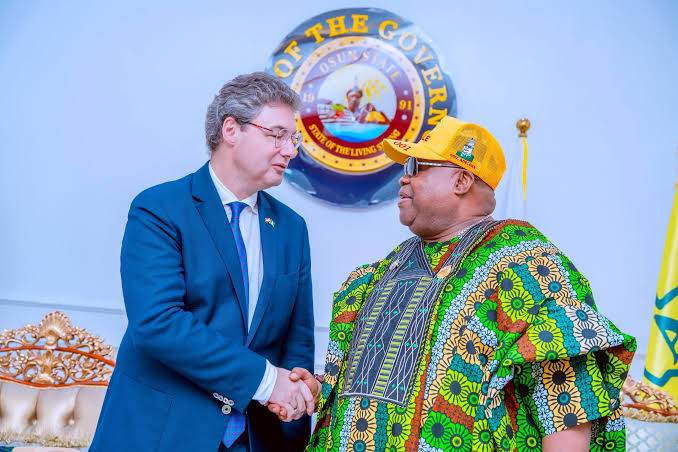
Adeleke made the call while receiving the Austrian Ambassador to Nigeria, Peter Guschelbauer, at the Government House in Osogbo. In a statement issued by his spokesperson, Olawale Rasheed, on Sunday, the governor tied the request directly to the integrity of the exercise. “I urge the European Union to take special interest in the forthcoming Osun State election,” he said, adding that “the observer intervention of the European Union will strengthen compliance with democratic practices and the Electoral Act for a free and fair poll.” He further pledged that his administration remained committed to free and fair elections and to building an environment friendly to investors and development partners.
The governor used the meeting to court foreign investment as well, describing Osun as fertile ground for partnerships in agriculture, renewable energy, education, technology, mining and vocational development. “We are ready to work with your country and Austrian businesses in exploring these opportunities for mutual growth and prosperity,” he stated. For his part, Guschelbauer welcomed the emphasis on credible elections, noting that the EU was keen to see democratic practice entrenched through polls conducted in line with Nigerian law. He observed that the Osun contest was a prelude to the 2027 general election, commended the governor on governance, and urged all political actors to respect the rules in the interest of stability. The ambassador also pointed to the cultural bond between Austria and the Osun Osogbo grove, expressing interest in tourism exchanges and deeper commercial ties.
The stakes explain the language of caution. The Independent National Electoral Commission originally fixed the poll for August 8 before shifting it to August 15, and has confirmed 14 political parties fielding candidates after publishing its final list in March. Notably, the Peoples Democratic Party, on whose platform Adeleke won in 2022, and the Labour Party did not present candidates. The governor is now seeking re election on the platform of Accord, having decamped late in 2025, with his deputy, Kola Adewusi, retained as running mate. His principal challengers are the All Progressives Congress candidate, Munirudeen Bola Oyebamiji, popularly called AMBO, and the African Democratic Congress flag bearer and former Speaker of the state House of Assembly, Najeem Salaam.
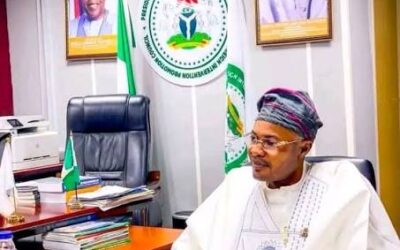
That three way race sits atop a nervous backdrop. Reports in recent weeks have documented sporadic clashes between rival camps and allegations of politically motivated attacks, prompting warnings from the Osun State Police Command and civil society groups that campaigns must stay within the bounds of the Electoral Act. The anxiety is heightened by the national weight attached to the outcome. President Bola Tinubu is widely expected to press for an APC victory as a springboard into 2027, while former governor Rauf Aregbesola, now ADC National Secretary, is working to reassert his influence through Salaam’s candidacy.
International observation is not new to Nigerian elections. The EU has deployed observer missions to several general elections, including 2023, and its reports have often shaped debate on electoral reform. Whether Brussels takes up Adeleke’s invitation for a single sub national poll remains to be seen, but the request underscores how far Osun’s contest has moved beyond state borders into the calculations of 2027.