
Peter Obi’s 2027 Chances In North Divide Analysts, Youth Leaders
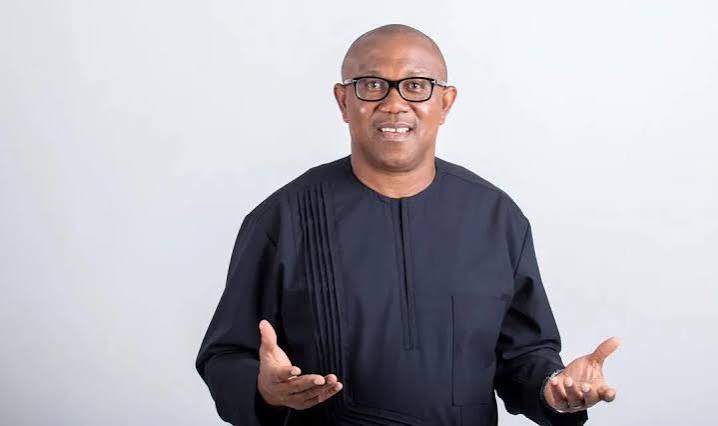
The viability of Peter Obi’s presidential ambition in Northern Nigeria has reignited political discourse, with a senior Arewa youth leader dismissing his chances while analysts and opposition figures argue he remains competitive in the region ahead of the 2027 general election.
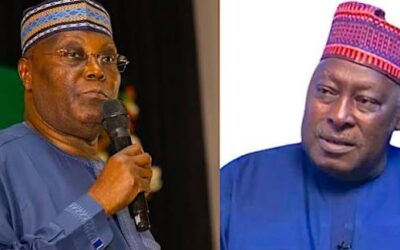
Ambassador Abdul Danbature, National President of the Arewa Youth Assembly for Good Leadership, recently asserted that Obi could not become Nigeria’s president without the backing of Northern youth. He accused the former Anambra State governor of failing to consult Northern leaders before announcing his presidential ambition. Danbature further claimed that the North would support a candidate who had backed former President Muhammadu Buhari.
These remarks have drawn sharp rebuttals from political analysts and Obi supporters. Political analyst Abba Gwale argued that Obi remains competitive in the North, citing his performance in the 2023 election. “It is crystal clear that Northern votes are crucial in Nigerian presidential elections. In fact, it is extremely difficult for any presidential candidate to win the presidency without significant support from the North,” Gwale stated. He noted that Obi secured a significant portion of Northern Christian votes and youth support in 2023, though he cautioned that changing political circumstances could affect voting patterns. Gwale also identified Rabiu Kwankwaso as a potential running mate whose influence in Kano, Jigawa, Kaduna, and Katsina could boost the ticket, though he warned that Kwankwaso’s support base may not automatically transfer to Obi.
The debate reflects the historical centrality of the North in Nigerian presidential elections. Since 1999, every elected president has secured substantial Northern votes. In 2023, Obi garnered over two million votes across Northern states, despite lacking the official backing of Kwankwaso or the Kwankwasiyya Movement, according to Independent National Electoral Commission (INEC) data.
Mallam Jabir, Coordinator of the FCT Obi-Kwankwaso Movement, dismissed Danbature’s statement as senseless and irrational. “That statement is nothing but a usual political statement by jobless young people,” Jabir said. He accused such groups of emerging only during election seasons to seek relevance, adding, “Politics of religion, politics of ethnicity and all these things are nothing but political tools used by politicians to divide Nigerians.”
Habeeb Mohammed Saleh, spokesperson for the Kwankwasiyya Movement, questioned the legitimacy of anyone claiming to speak for all Northern youth. “We don’t know of any structure that represents unanimously, the Northern youth,” Saleh argued. He insisted that Northern youth are now more concerned with insecurity and hunger than with political endorsements. “I believe the Northern youths have passed such a time when they fold their arms, close their eyes and just follow a certain footstep that may end up leading them to more darkness,” he said.
Saleh also questioned the relevance of invoking Buhari’s name, citing hardships experienced during his administration. “Whatever his own motive behind drawing the name of the late President into this argument will end up backfiring,” he warned.
As the 2027 election approaches, the debate underscores the complex interplay of ethnicity, religion, and performance in Nigerian politics. Whether Obi can consolidate his 2023 gains or whether the North will pivot to other candidates remains uncertain. What is clear is that neither Danbature’s dismissal nor his critics’ rebuttals have provided a definitive answer, leaving the region’s voting intentions as one of the most closely watched variables in the coming electoral cycle.