
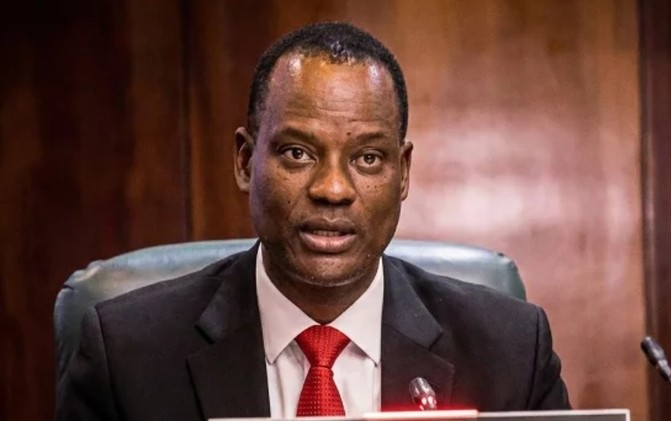
Nigeria saved 15.8 trillion naira from petrol subsidy removal and currency liberalisation between June 2023 and December 2025. Minister of Finance Taiwo Oyedele released the figures during a media briefing on the federal government’s reform scorecard in Abuja. The fiscal windfall mobilised critical liquidity across the three tiers of government. The Federal Government Reform Scorecard detailed how the treasury channelled the money into public obligations. Yet the headline savings did not leave state vaults brimming with surplus cash. Reforming a broken price system costs money.
The federation divided the accumulated savings through statutory revenue channels. The federal government took 5.43 trillion naira from the total pot. State governments secured 6.52 trillion naira, while local councils received 3.88 trillion naira. Remittances from state-owned enterprises also yielded 3.1 trillion naira in independent revenue. In total, the central government mobilised 20.4 trillion naira in fresh incremental resources. Sub-national treasuries enjoyed unprecedented cash windfalls.
Higher expenditure quickly absorbed the new revenue gains. Total incremental federal spending reached roughly 30.64 trillion naira over the same 30 months. Revised minimum wage commitments, pension arrears, and student loan allocations swallowed large portions of the budget. Currency depreciation pushed external debt-servicing costs up to 9.37 trillion naira in local terms. Even though dollar debt stock remained flat, naira conversion costs multiplied. Spending outpaced fresh revenue inflows.
Oyedele insisted that market reforms aimed to kill structural corruption rather than simply hoard cash. Petrol subsidies and fixed foreign exchange windows previously consumed five per cent of gross domestic product. Cross-border fuel smuggling and round-tripping drained public wealth into private hands for decades. Scrapping the subsidies halted the printing of unbacked notes by monetary authorities. The Central Bank of Nigeria Overview has repeatedly stressed the need for strict fiscal discipline. Cutting distortions remains more vital than building temporary reserves.
Ordinary Nigerians continue to bear the heavy brunt of these market corrections. Triple-digit fuel prices and steep transport fares have strained household budgets nationwide. Food distribution costs rose sharply after pump prices shot up in mid-2023. Higher public wage awards barely cushion workers against stubborn consumer inflation. Detailed breakdown reports published in the BusinessDay Financial Analysis show debt and payroll absorbing the bulk of savings. Citizens demand visible infrastructure for their daily sacrifices.
Sub-national governments face mounting scrutiny over how they spend their swollen allocations. Governors and council chairmen collected more than ten trillion naira from subsidy savings alone. Few states have invested those windfalls into farming irrigation, municipal transit, or rural hospitals. Wasteful recurrent overheads and political consumption still dominate regional balance sheets. Federal authorities cannot fix national poverty while states squander their statutory windfalls. Accountability must start at the grassroots.
Nigeria’s fiscal stability now depends on structural productivity rather than accounting gains. Removing subsidies plugged an enormous fiscal leak that threatened state solvency. Yet long-term prosperity requires higher domestic manufacturing, stable power grids, and secure farming belts. Borrowing 11.9 trillion naira to bridge remaining budget deficits proves that public revenue remains thin. Real economic strength demands deeper domestic industrial production. Reforming price signals is only the beginning.